Excess moisture in your home can cause more problems than you might realize. From musty odors and damp walls to mold growth and increased allergens, high humidity affects both your comfort and health.
That’s why many people ask, “What does a dehumidifier do?” Understanding its function can help you protect your home and improve indoor air quality.
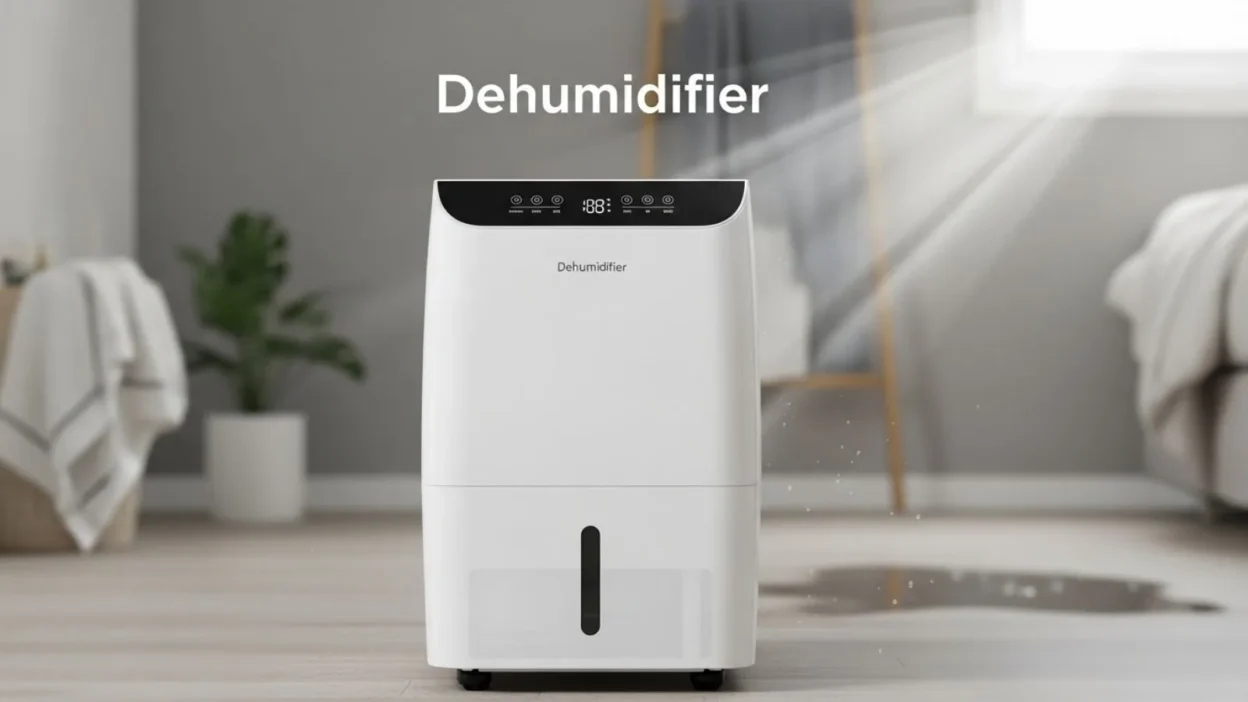
A dehumidifier is a device designed to remove excess moisture from the air, making your living spaces healthier and more comfortable.
While some people think it only collects water in a tank, its benefits go far beyond that. It helps prevent mold and mildew, reduces allergens like dust mites, and even protects furniture, electronics, and clothing from moisture damage.
What Is a Dehumidifier? Quick Answer
A dehumidifier is an electrical appliance designed to reduce and maintain the level of humidity in the air. Essentially, it removes excess moisture from indoor spaces, helping to create a healthier and more comfortable environment. High humidity levels in a home can lead to mold growth, unpleasant odors, and damage to furniture, electronics, and clothing. A dehumidifier prevents these issues by extracting water vapor from the air and collecting it in a tank or draining it through a hose.
Dehumidifiers are available in different types to suit various environments. Refrigerant (or compressor) dehumidifiers use cooled coils to condense moisture, making them ideal for warm and humid spaces like basements and bathrooms. Desiccant dehumidifiers, on the other hand, use moisture-absorbing materials and are particularly effective in cooler environments. Additionally, dehumidifiers can be portable, designed to treat individual rooms, or whole-house systems that integrate with a home’s HVAC system for large-scale moisture control.
The function of a dehumidifier goes beyond simply collecting water. By controlling humidity levels, it improves indoor air quality, reduces allergens like dust mites and mold spores, and enhances overall comfort. It also prevents structural damage to walls, flooring, and furniture caused by prolonged dampness. In short, a dehumidifier is a vital tool for maintaining a healthy, dry, and comfortable home, especially in areas prone to high humidity or moisture problems.
How Does a Dehumidifier Work?
A dehumidifier works by removing excess moisture from the air and creating a more comfortable indoor environment. While the exact mechanism depends on the type of dehumidifier, the overall process is similar: air is drawn into the device, moisture is extracted, and dry air is released back into the room.
Refrigerant (compressor) dehumidifiers are the most common. These devices use a fan to pull warm, humid air over cold coils. As the air cools, the moisture condenses into water droplets, which then drip into a collection tank or drain through a hose. The cooled, drier air is then reheated slightly and circulated back into the room, gradually reducing humidity.
Desiccant dehumidifiers operate differently. They use a moisture-absorbing material, called a desiccant, to capture water vapor directly from the air. Once the desiccant becomes saturated, the device heats it to release the collected moisture into a tank. Desiccant units are particularly useful in cooler environments, where refrigerant-based systems are less efficient.
Most modern dehumidifiers include a hygrometer, which measures humidity levels and allows the device to operate automatically, turning on or off to maintain a set target. Some models also feature adjustable fans, filters, and continuous drainage options for convenience.
In short, a dehumidifier works quietly and efficiently behind the scenes, removing water from the air, improving indoor air quality, and preventing moisture-related problems. It’s a simple but highly effective solution for homes with excess humidity.
Benefits of Using a Dehumidifier
Using a dehumidifier in your home offers a wide range of benefits that go beyond simply removing water from the air. One of the most important advantages is mold and mildew prevention. High humidity levels create the perfect environment for mold growth on walls, ceilings, and furniture. By maintaining optimal humidity, a dehumidifier helps protect your home from structural damage and costly repairs.
Dehumidifiers also reduce allergens. Dust mites, bacteria, and pollen thrive in moist environments, which can trigger allergies and respiratory issues.
Another benefit is the protection of personal belongings. Wooden furniture, electronics, clothing, and books are all sensitive to excess moisture. Prolonged dampness can cause warping, rust, or mildew damage. A dehumidifier safeguards these items, extending their lifespan.
Additionally, a dehumidifier improves overall comfort. Moist air can feel sticky and heavy, making it harder to sleep or stay comfortable during warm months. By removing excess moisture, the air feels fresher and cooler without lowering the room temperature.
Energy efficiency is another plus. Modern dehumidifiers are designed to operate efficiently, using minimal electricity while maintaining the desired humidity levels.
In summary, a dehumidifier not only prevents mold and allergens but also protects your belongings, enhances comfort, and promotes a healthier living space, making it an essential appliance for any home facing high humidity or moisture problems.
Types of Dehumidifiers
1. Refrigerant (Compressor) Dehumidifiers:
These are the most common type and are ideal for warm, humid spaces like basements, bathrooms, or laundry rooms. They work by drawing air over cold coils, causing moisture to condense into a water tank or drain. Refrigerant dehumidifiers are energy-efficient in warmer climates and are generally effective for large rooms.
2. Desiccant Dehumidifiers:
Unlike refrigerant models, desiccant dehumidifiers use moisture-absorbing materials to capture water vapor. Once the desiccant material is saturated, it is heated to release the water into a collection tank. These units work well in cooler spaces where refrigerant systems are less effective and are quieter in operation, making them ideal for bedrooms or offices.
3. Portable Dehumidifiers:
These compact units are designed for individual rooms or small areas. They are easy to move, cost-effective, and convenient for temporary use, such as during humid seasons or in rental properties.
4. Whole-House Dehumidifiers:
Integrated with the home’s HVAC system, these units can control humidity throughout the entire house. They are ideal for larger spaces and provide consistent moisture control without the need for multiple portable units.
Common Uses of a Dehumidifier
Dehumidifiers are versatile appliances that can be used in a variety of spaces to improve comfort, protect belongings, and maintain healthy indoor air quality. One of the most common applications is in basements and crawl spaces. These areas are prone to high humidity due to poor ventilation and proximity to the ground. Using a dehumidifier helps prevent mold, mildew, and musty odors while protecting stored items like boxes, furniture, and clothing.
Bathrooms and laundry rooms are also frequent hotspots for excess moisture. Hot showers and wet laundry increase humidity levels, which can encourage mold growth on tiles, walls, and ceilings. A small portable dehumidifier in these areas keeps the air dry and prevents damage.
Bedrooms are another important space. Moist air can aggravate allergies, asthma, or respiratory issues. By reducing humidity, a dehumidifier helps create a healthier sleeping environment, making it easier to breathe and sleep comfortably.
Storage rooms and closets benefit as well. Books, electronics, and clothing are highly sensitive to moisture. A dehumidifier protects these items from warping, rust, or mildew, preserving them for longer.
Dehumidifiers are also used in commercial settings, including offices, warehouses, museums, gyms, and greenhouses. Controlling humidity in these spaces protects products, equipment, and even valuable artifacts while improving overall air quality.
In short, a dehumidifier can be used anywhere humidity is a problem, from small rooms to entire homes or commercial spaces. Its versatility makes it an essential tool for maintaining a dry, comfortable, and safe environment year-round.
How to Choose the Right Dehumidifier
Choosing the right dehumidifier for your space is essential to ensure it effectively controls moisture without wasting energy or causing inconvenience. The first factor to consider is room size and capacity. Dehumidifiers are rated by the amount of moisture they can remove in a day, typically measured in pints. Small rooms may only require a 20–30 pint unit, while basements or large areas may need 50–70 pint models. Selecting the right capacity ensures optimal performance and energy efficiency.
Next, consider energy efficiency. Look for models with an Energy Star rating, which use less electricity while maintaining the desired humidity level. Energy-efficient units save on utility costs, especially if the dehumidifier runs continuously in high-humidity areas.
Noise level is another key factor. Some units can be loud, which may be disruptive in bedrooms or offices. Check decibel ratings and consider quieter models for spaces where silence is important.
The type of humidity control also matters. Many modern dehumidifiers come with automatic humidistats, allowing the device to maintain a set humidity level without manual intervention. Manual models are less convenient but may be suitable for temporary or occasional use.
Finally, think about maintenance and ease of use. Check tank capacity, filter cleaning requirements, and whether the unit supports continuous drainage. Units that are easy to maintain will last longer and operate more efficiently.
How to Use a Dehumidifier Effectively
Using a dehumidifier properly ensures maximum efficiency, energy savings, and healthier indoor air. One of the first steps is to set the ideal humidity level, which is typically between 30% and 50%. Levels above this can promote mold growth and allergens, while excessively low humidity can dry out your skin, eyes, and respiratory system. Most modern dehumidifiers come with a built-in hygrometer that automatically measures humidity and allows you to set your desired level.
Placement of the dehumidifier is equally important. Place it in a central location within the room, away from walls, furniture, or curtains that could block airflow. Ensure there is enough space around the unit for air to circulate freely. In basements or larger areas, placing it near the most humid spots, such as near windows, laundry areas, or damp corners, can help the device work more efficiently.
Regular maintenance is essential. Empty the water collection tank frequently to prevent overflow, and clean the filters according to the manufacturer’s instructions to maintain airflow and efficiency. Some models allow for continuous drainage, which is especially useful in high-humidity areas.
Seasonal adjustments can also help. In summer, when humidity is higher, you may need to run the dehumidifier more frequently. In winter, it might only need occasional use in areas prone to dampness.
By following these tips—setting the right humidity, proper placement, regular maintenance, and seasonal adjustments—you can maximize the benefits of your dehumidifier, ensuring a dry, comfortable, and healthy indoor environment year-round.
Common Myths About Dehumidifiers
Myth 1: A dehumidifier only collects water in a tank.
While it’s true that dehumidifiers collect moisture, their primary function is to remove excess humidity from the air, improving comfort and indoor air quality. The water in the tank is just a byproduct of this process. Proper humidity control helps prevent mold, mildew, and allergens, which is far more important than the visible water collected.
Myth 2: Dehumidifiers cool the room.
Dehumidifiers do not function like air conditioners. While the air may feel slightly cooler because dry air feels more comfortable, the device does not lower the temperature. Its purpose is to reduce moisture, not heat or cool the room.
Myth 3: Higher wattage means better performance.
Some assume that a more powerful unit automatically removes more moisture. In reality, efficiency depends on capacity, room size, humidity level, and proper placement. Choosing the right size for your space is more important than selecting the unit with the highest wattage.
Myth 4: Dehumidifiers can replace proper ventilation.
While dehumidifiers help manage indoor humidity, they cannot substitute for ventilation or fixing leaks. Proper airflow and moisture control in the home are still necessary for long-term prevention of dampness.
Potential Drawbacks and Considerations
While dehumidifiers offer many benefits, it’s important to understand their potential drawbacks and limitations to use them effectively. One of the main considerations is electricity usage. Dehumidifiers consume power while running, and continuous operation in large or highly humid spaces can increase energy bills. Choosing an energy-efficient model, ideally with an Energy Star rating, can help reduce costs without sacrificing performance.
Noise is another factor. Some units, especially larger compressor-based models, can produce noticeable noise from the fan and compressor. This may be disruptive in bedrooms, offices, or living areas. Portable and desiccant models tend to be quieter, but checking decibel ratings before purchase is recommended.
Maintenance is also necessary. The water tank must be emptied regularly, and filters cleaned to maintain efficiency. Some units offer continuous drainage, which reduces manual effort but requires proper setup. Neglecting maintenance can reduce performance and even damage the unit over time.
It’s also important to note that dehumidifiers are not a replacement for proper ventilation or moisture-proofing. Leaks, poor insulation, or flooding issues cannot be solved by a dehumidifier alone. Addressing the source of moisture is always necessary for long-term results.
Finally, oversized or undersized units may be ineffective. A small dehumidifier in a large, humid basement will struggle to reduce moisture, while an overly powerful unit in a small room may cycle on and off frequently, wasting energy.
FAQs:
1. Can a dehumidifier help with allergies?
Yes. Dehumidifiers reduce humidity, which limits the growth of dust mites, mold, and bacteria—common allergens. Lowering humidity improves indoor air quality and can relieve allergy or asthma symptoms.
2. How often should I run a dehumidifier?
The frequency depends on your home’s humidity levels. In very humid areas, it may need to run continuously. In moderately humid spaces, a few hours per day or using the automatic humidity setting is usually sufficient.
3. What size dehumidifier do I need?
Dehumidifiers are rated by pints of water removed per day. Small rooms may require 20–30 pints, while large basements or whole-house units may need 50–70 pints or more. Choosing the right size ensures efficient moisture removal.
4. Can a dehumidifier prevent mold completely?
While a dehumidifier significantly reduces mold risk, it cannot eliminate mold entirely if there are leaks, poor ventilation, or standing water. Addressing the source of moisture is essential for complete prevention.
5. Does a dehumidifier affect room temperature?
Dehumidifiers do not cool or heat a room like an air conditioner or heater. However, drier air feels more comfortable, so it may feel slightly cooler.
6. How do I maintain my dehumidifier?
Regularly empty the water tank, clean filters, and check coils. Some units offer continuous drainage for convenience. Proper maintenance ensures efficiency and extends the device’s lifespan.
Conclusion:
A dehumidifier is an essential tool for maintaining a healthy, comfortable, and moisture-free home.
By removing excess humidity, it prevents mold and mildew growth, reduces allergens, and protects furniture, electronics, and personal belongings from moisture damage.
Understanding how it works, the different types available, and the ideal usage practices ensures you get the most benefit from this appliance.
Whether you choose a portable unit for a single room or a whole-house system, a dehumidifier improves indoor air quality, enhances comfort, and contributes to overall health.
Regular maintenance, proper placement, and choosing the right size for your space are key to its effectiveness.
In homes with high humidity or areas prone to dampness, a dehumidifier is more than just a convenience it’s a long-term solution for a safer, cleaner, and more enjoyable living environment.

I’m the mind behind Jokesattack.com, your go-to place for daily laughs, clever puns, and hilarious memes. Spreading smiles one joke at a time!