
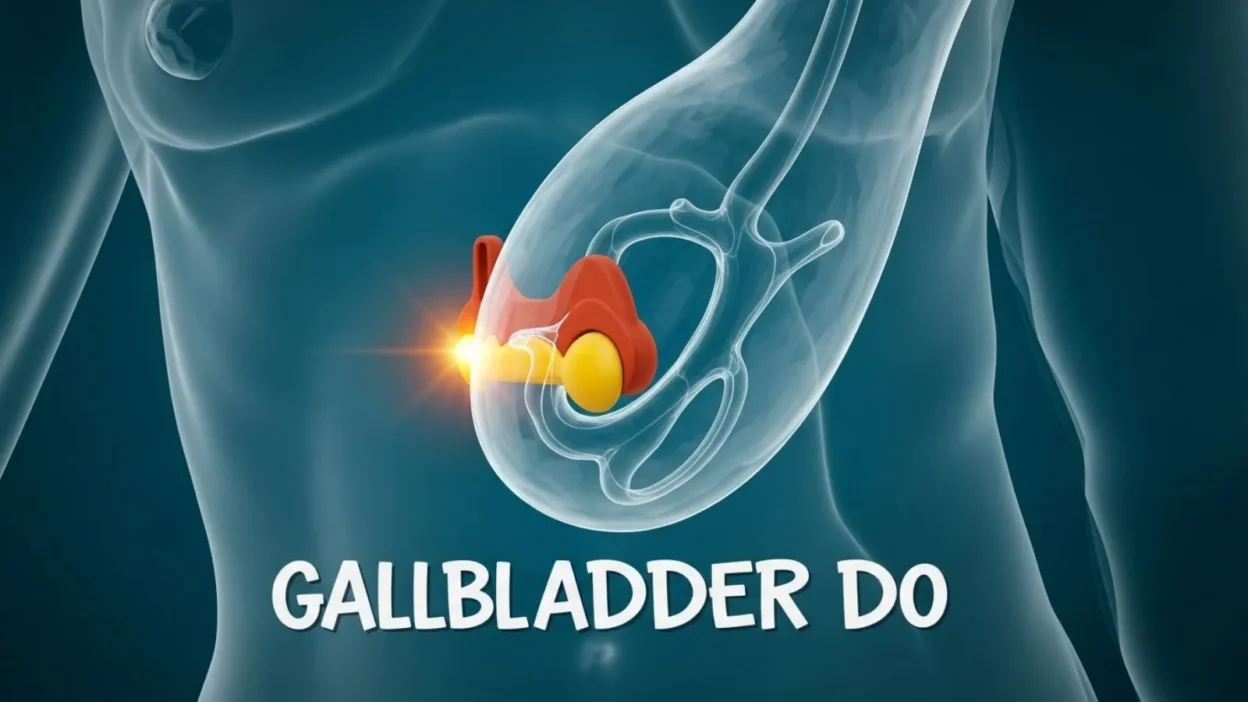
The gallbladder is a small organ, but it plays an important role in how your body digests food. Many people don’t think about their gallbladder until they experience pain, discomfort, or are told they have gallstones.
This often leads to a common question: what does a gallbladder do, and why is it important for digestion?
Located just beneath the liver, the gallbladder helps manage bile, a digestive fluid that breaks down fats. When everything works properly, this process happens quietly in the background.
However, when the gallbladder isn’t functioning well, it can lead to digestive problems and uncomfortable symptoms.
In this article, you’ll learn what the gallbladder does, how it works during digestion, common gallbladder problems, and if you can live a healthy life without it.
By the end, you’ll have a clear understanding of why this small organ matters more than you might think.
What Is the Gallbladder?
The gallbladder is a small, pear-shaped organ that plays a key role in the digestive system. It is located on the right side of the abdomen, just beneath the liver. Although it is relatively small—about the size of a lime—the gallbladder performs an important function by storing and managing bile, a fluid essential for digesting fats.
Bile is produced continuously by the liver. Instead of flowing directly into the intestines all the time, bile is stored in the gallbladder between meals. While stored, the gallbladder concentrates the bile, making it stronger and more effective. This allows the body to use bile efficiently when it is most needed, especially after eating meals that contain fat.
The gallbladder is connected to the liver and small intestine through a network of bile ducts. When you eat, particularly fatty foods, the gallbladder receives signals to contract. This contraction pushes concentrated bile into the small intestine, where it helps break down fats so they can be absorbed by the body.
Although the gallbladder supports digestion, it is not considered an essential organ. Many people live healthy lives without it. However, when the gallbladder becomes inflamed or develops gallstones, it can cause significant pain and digestive discomfort. Understanding what the gallbladder is and how it works helps explain why gallbladder health is important for overall digestive well-being.
What Does a Gallbladder Do?
The main function of the gallbladder is to store, concentrate, and release bile, a digestive fluid made by the liver. Bile plays a vital role in breaking down fats so the body can digest and absorb them properly. While the liver produces bile continuously, the gallbladder controls when and how much bile is released into the digestive system.
When you are not eating, bile flows from the liver into the gallbladder, where it is stored. During this time, water is removed from the bile, making it more concentrated and effective. This concentrated bile remains in the gallbladder until your body needs it.
Once you eat a meal—especially foods that contain fat—the digestive system sends signals to the gallbladder. In response, the gallbladder contracts and releases bile through the bile ducts into the small intestine. There, bile helps break fats into smaller droplets, making it easier for digestive enzymes to do their job.
Without this process, fats would be harder to digest, and the body would struggle to absorb important fat-soluble vitamins such as vitamins A, D, E, and K. This is why the gallbladder, though small, plays a significant role in overall nutrition.
If the gallbladder is not functioning properly, bile flow can be disrupted. This may lead to digestive issues, discomfort after eating fatty meals, or the formation of gallstones. Understanding what a gallbladder does helps explain why problems with this organ can affect digestion and overall health.
How the Gallbladder Works During Digestion
The gallbladder works closely with the liver and small intestine to support the digestion of fats. This process begins even before you eat. The liver produces bile continuously, and between meals, this bile is stored and concentrated in the gallbladder.
When you eat food, especially meals that contain fat, your digestive system releases hormones such as cholecystokinin. These hormones signal the gallbladder to contract. As the gallbladder squeezes, it pushes concentrated bile into the bile ducts, which carry it to the small intestine.
Once bile reaches the small intestine, it mixes with the food you have eaten. Bile breaks large fat particles into smaller droplets, a process known as emulsification. This makes it easier for digestive enzymes from the pancreas to break down fats further. As a result, fats can be absorbed efficiently through the intestinal lining and used by the body for energy and nutrition.
If the gallbladder does not release enough bile or if bile flow is blocked, digestion becomes less efficient. People may experience symptoms such as bloating, gas, nausea, or discomfort after eating fatty foods. Over time, poor bile movement can contribute to gallstone formation.
This carefully timed process shows how the gallbladder supports smooth digestion. By releasing bile only when needed, the gallbladder helps the digestive system work efficiently and comfortably, especially when processing fat-rich meals.
Why Is the Gallbladder Important for Fat Digestion?
The gallbladder plays a crucial role in helping the body digest fats efficiently. Fats are an essential part of a healthy diet, but they are also the hardest nutrients for the body to break down. This is where bile, stored in the gallbladder, becomes important.
Bile acts like a natural detergent. When released into the small intestine, it breaks large fat molecules into much smaller droplets. This process, called emulsification, increases the surface area of fats, allowing digestive enzymes to work more effectively. Without enough bile, fats would remain in large chunks, making digestion slow and incomplete.
Proper fat digestion is necessary not only for energy but also for absorbing fat-soluble vitamins such as vitamins A, D, E, and K. These vitamins support important functions like vision, bone health, immune function, and blood clotting. If the gallbladder is not working properly, the body may struggle to absorb these nutrients, even if the diet is otherwise healthy.
When bile flow is reduced or irregular, people may notice symptoms such as greasy stools, bloating, or discomfort after meals. Over time, poor fat digestion can lead to nutritional deficiencies and ongoing digestive issues.
By storing and releasing concentrated bile at the right time, the gallbladder ensures that fats are digested smoothly and efficiently. This makes the gallbladder an important partner in the digestive process, even though it often goes unnoticed until problems arise.
Common Gallbladder Problems and Disorders
Although the gallbladder is small, it can develop several health problems that affect digestion and overall well-being. One of the most common issues is gallstones, which are hardened deposits of bile components such as cholesterol or bilirubin. Gallstones can range in size from tiny grains to large stones and may block the flow of bile, causing intense pain known as biliary colic.
Another common condition is cholecystitis, which is inflammation of the gallbladder. This often occurs when gallstones block the bile ducts, leading to swelling, infection, or irritation. Symptoms may include severe upper-right abdominal pain, fever, nausea, and vomiting. If untreated, cholecystitis can become a serious medical emergency.
Biliary dyskinesia is a disorder where the gallbladder does not empty bile efficiently, even without gallstones. This can cause recurring digestive discomfort, bloating, and intolerance to fatty foods. Over time, this inefficient bile flow may also increase the risk of gallstone formation.
Other gallbladder problems include gallbladder polyps, which are growths that usually don’t cause symptoms but may require monitoring, and blocked bile ducts, which prevent bile from reaching the small intestine and can lead to jaundice, dark urine, or pale stools.
Understanding these common disorders highlights why gallbladder health is important. Early detection and proper management can prevent complications, reduce discomfort, and ensure that digestion continues smoothly. Maintaining a healthy diet and regular check-ups can help support gallbladder function and overall digestive health.
Signs and Symptoms of Gallbladder Problems
Gallbladder problems often present with noticeable symptoms that can affect daily life. One of the most common signs is pain in the upper right abdomen, often referred to as biliary colic. This pain may be sudden, sharp, and can last from a few minutes to several hours. It is often triggered by eating fatty or greasy foods.
Many people also experience nausea and vomiting, especially after meals. This occurs because the gallbladder is unable to release bile properly, which slows digestion. Bloating and indigestion are other common symptoms, making it difficult to feel comfortable after eating.
Some gallbladder issues, particularly those that block bile flow, can lead to jaundice, a yellowing of the skin and eyes. This happens when bilirubin, a substance found in bile, builds up in the bloodstream. In addition, dark urine and pale-colored stools can indicate that bile is not reaching the intestines properly.
Other warning signs include fever, chills, and persistent abdominal discomfort, which may suggest infection or inflammation such as cholecystitis. Pain may also radiate to the back or right shoulder blade, which can be confusing and often leads people to ignore the problem initially.
Recognizing these symptoms early is important because untreated gallbladder issues can lead to serious complications, including infection, blockage, or gallbladder rupture. If any of these symptoms occur, especially severe or persistent pain, seeking medical attention promptly is highly recommended.
What Causes Gallbladder Issues?
Gallbladder problems can develop for a variety of reasons, often involving diet, lifestyle, and genetic factors. One of the most common causes is gallstones, which form when substances in bile, such as cholesterol or bilirubin, become concentrated and harden. Gallstones can block bile flow, leading to pain and inflammation.
Diet and lifestyle choices play a major role in gallbladder health. Eating a diet high in fatty, fried, or processed foods can increase the risk of gallstone formation and gallbladder inflammation. Conversely, a diet low in fiber or irregular eating patterns may also negatively affect bile production and storage.
Rapid weight loss is another factor that can trigger gallbladder issues. When the body loses weight too quickly, the liver releases extra cholesterol into bile, which can contribute to gallstone formation. Obesity and high cholesterol levels are also linked to higher risk of gallbladder disease.
Hormonal changes, especially in women during pregnancy or while taking birth control, can affect bile composition and gallbladder function, making them more prone to gallstones. Age and genetics also play a role—older adults and those with a family history of gallbladder disease are at higher risk.
Understanding the causes of gallbladder problems can help in prevention and early detection. By maintaining a balanced diet, managing cholesterol, avoiding rapid weight loss, and monitoring symptoms, many gallbladder issues can be minimized or prevented before they develop into serious conditions.
How Are Gallbladder Problems Diagnosed?
Diagnosing gallbladder problems typically begins with a detailed medical history and physical examination. A doctor will ask about symptoms such as abdominal pain, nausea, bloating, and digestive issues, and may press on the upper right part of the abdomen to check for tenderness or swelling. These initial steps help determine if further testing is needed.
The most common imaging test for gallbladder problems is an ultrasound, which uses sound waves to create images of the gallbladder and bile ducts. Ultrasound is highly effective at detecting gallstones, blockages, and inflammation. In some cases, doctors may order a CT scan or MRI for more detailed images if the diagnosis is unclear or complications are suspected.
Blood tests are also important in diagnosing gallbladder disorders. These tests can check for signs of infection, inflammation, or bile duct blockage. Elevated levels of bilirubin, liver enzymes, or white blood cells may indicate a problem with the gallbladder or bile flow.
For more specialized cases, a HIDA scan (hepatobiliary iminodiacetic acid scan) may be performed. This test evaluates how well the gallbladder is functioning by tracking the flow of bile from the liver to the small intestine.
Early and accurate diagnosis is essential for preventing complications such as infection, gallbladder rupture, or chronic digestive issues. By combining physical exams, imaging tests, and blood work, doctors can identify the underlying cause of gallbladder problems and recommend appropriate treatment.
Treatment Options for Gallbladder Problems
Treatment for gallbladder problems depends on the severity of the condition, the presence of gallstones, inflammation, or other complications. Lifestyle and dietary changes are often the first approach for mild symptoms. Reducing fatty and fried foods, eating smaller meals, and maintaining a healthy weight can help improve bile flow and reduce discomfort.
For more serious conditions, medications may be prescribed. Some medications help dissolve cholesterol gallstones over time, while others manage pain or reduce inflammation. However, medications are usually effective only for small stones and may take months to work.
When gallbladder problems are persistent or severe, surgical removal of the gallbladder—called a cholecystectomy—may be necessary. This is the most common treatment for gallstones that cause pain or block bile flow. Most gallbladder removals today are performed using laparoscopic surgery, which is minimally invasive and offers faster recovery compared to traditional open surgery.
In certain cases, non-surgical treatments like shock-wave therapy or endoscopic procedures may be used to remove gallstones or relieve blockages. These options are less common but can be effective for patients who cannot undergo surgery.
Early diagnosis and treatment are essential to prevent complications such as infection, jaundice, or gallbladder rupture. Combining proper diet, lifestyle changes, medications, and, when needed, surgery ensures effective management of gallbladder problems. Consulting a doctor promptly when symptoms appear can improve recovery and overall digestive health.
Gallbladder Removal Surgery (Cholecystectomy)
When gallbladder problems become severe or persistent, gallbladder removal surgery, known as a cholecystectomy, is often the recommended solution. This procedure involves removing the gallbladder entirely, preventing future pain, inflammation, or complications caused by gallstones or other gallbladder disorders.
There are two main types of cholecystectomy. Laparoscopic cholecystectomy is the most common method. It involves making several small incisions in the abdomen through which a camera and surgical tools are inserted. The surgeon then removes the gallbladder while minimizing damage to surrounding tissues. Recovery is usually quicker, with less post-operative pain and shorter hospital stays. Open cholecystectomy, on the other hand, requires a larger incision and is generally used when complications make laparoscopic surgery difficult. Recovery time is longer, but it may be necessary in complex cases.
During surgery, care is taken to protect the bile ducts and surrounding organs. After removal, bile produced by the liver flows directly into the small intestine, instead of being stored in the gallbladder. Most people adapt well to this change, though some may experience temporary digestive discomfort, especially after eating fatty foods.
Risks associated with gallbladder removal are generally low but can include infection, bleeding, bile leakage, or injury to nearby organs. Following post-operative instructions, eating a healthy diet, and attending follow-up appointments can help ensure a smooth recovery.
Overall, cholecystectomy is a safe and effective treatment for gallbladder problems, offering long-term relief from pain and digestive complications.
Can You Live Without a Gallbladder?
Yes, it is possible to live a healthy life without a gallbladder. While this small organ helps store and release bile for fat digestion, the liver continues to produce bile even after the gallbladder is removed. Instead of being stored, bile flows directly from the liver into the small intestine.
After gallbladder removal, the digestive system may take some time to adjust. Many people notice changes in how their body handles fatty meals. Some may experience diarrhea, bloating, or mild abdominal discomfort, particularly after eating rich or greasy foods. These symptoms are often temporary and improve as the body adapts.
Although bile is no longer stored, the liver produces enough to support digestion. This means most nutrients, including fat-soluble vitamins, can still be absorbed effectively. However, adopting a balanced diet with smaller, lower-fat meals can help prevent digestive discomfort and support overall health.
In some cases, people may need to avoid very high-fat meals or foods that are difficult to digest. Over time, the body often adapts, and most individuals can return to a normal diet without significant issues. Regular hydration and fiber-rich foods can also help maintain smooth digestion.
Living without a gallbladder is generally safe, and complications are rare. Surgery is often a life-changing solution for those with recurring gallbladder problems, allowing them to enjoy relief from pain while maintaining a healthy digestive system.
Diet After Gallbladder Removal
After gallbladder removal, adjusting your diet is important to support digestion and reduce discomfort. Since the gallbladder is no longer storing and releasing concentrated bile, your body may initially struggle to digest large amounts of fat at once. Eating smaller, balanced meals throughout the day can make digestion easier and prevent bloating or diarrhea.
Healthy fats are still necessary but should be consumed in moderation. Sources like olive oil, avocado, and nuts are easier to digest than fried or heavily processed foods. Avoiding greasy, fatty, or highly processed meals in the first few weeks after surgery can help your digestive system adjust.
Fiber-rich foods such as fruits, vegetables, and whole grains are also beneficial. They support healthy digestion and help regulate bowel movements, which can sometimes be irregular after gallbladder removal. Gradually increasing fiber intake can prevent discomfort and bloating.
Hydration is another key factor. Drinking plenty of water aids digestion and helps move bile efficiently through the intestines. It can also reduce the risk of constipation, which is common after surgery.
Some people may find certain foods, like spicy meals, caffeine, or dairy, cause temporary discomfort. Keeping a food diary can help identify triggers and guide dietary choices. Over time, most individuals can return to a normal diet, though some prefer to maintain a lighter fat intake to avoid digestive upset.
Foods That Support Gallbladder Health
Maintaining a healthy gallbladder starts with a diet that supports bile production and flow. Certain foods can help prevent gallstones, reduce inflammation, and keep digestion running smoothly.
High-fiber foods are essential for gallbladder health. Vegetables, fruits, legumes, and whole grains help regulate bile flow and reduce the risk of gallstone formation. Fiber also promotes healthy digestion and prevents constipation, which can contribute to gallbladder stress.
Healthy fats in moderation are beneficial. Sources like olive oil, avocado, nuts, and fatty fish provide essential fatty acids without overloading the gallbladder. These fats stimulate the gallbladder to release bile naturally and efficiently.
Lean proteins such as chicken, turkey, and tofu are easier to digest than fatty meats. Including lean proteins in your diet supports overall health while minimizing strain on the gallbladder.
Hydration plays a critical role. Drinking plenty of water helps bile remain fluid and flow smoothly from the liver to the small intestine. Proper hydration can also prevent gallstone formation by reducing bile concentration.
Certain foods like garlic, turmeric, and ginger are thought to have anti-inflammatory properties that support gallbladder function and digestive health. Limiting refined sugars, fried foods, and high-cholesterol meals can further reduce gallbladder stress and prevent gallstones.
Incorporating these foods into a balanced diet can promote gallbladder health, reduce digestive discomfort, and support overall wellness. Combined with regular physical activity and healthy lifestyle habits, a gallbladder-friendly diet is an effective way to maintain proper digestion and prevent common gallbladder problems.
How to Prevent Gallbladder Problems Naturally
Preventing gallbladder problems is often possible through healthy lifestyle choices and mindful dietary habits. Since many gallbladder issues, including gallstones and inflammation, are linked to diet, weight, and digestion, small daily habits can make a big difference.
Maintain a healthy weight by avoiding rapid weight loss or extreme diets. Rapid weight loss can increase cholesterol levels in bile, which may lead to gallstone formation. Instead, aim for gradual, sustainable weight management through balanced meals and regular physical activity.
Eat a balanced diet rich in fiber, fruits, vegetables, whole grains, and healthy fats. Fiber supports bile flow and helps reduce cholesterol buildup in the gallbladder. Healthy fats, such as olive oil, avocado, and nuts, stimulate bile release without overloading the digestive system. Avoiding fried, processed, and high-cholesterol foods can also lower the risk of gallbladder problems.
Stay hydrated by drinking plenty of water throughout the day. Proper hydration helps bile remain fluid and reduces the chance of gallstone formation.
Exercise regularly to promote overall digestive health and maintain a healthy metabolism. Even moderate daily activity, like walking or yoga, can improve bile flow and reduce the risk of gallbladder complications.
Listen to your body and respond to early warning signs such as bloating, indigestion, or abdominal discomfort. Regular check-ups with a healthcare provider can detect gallbladder issues early, allowing for prompt management.
When Should You See a Doctor?
Knowing when to seek medical attention for gallbladder issues is essential to prevent complications and ensure proper treatment. While mild digestive discomfort may not always be serious, certain symptoms indicate that a doctor’s evaluation is necessary.
One of the most important warning signs is severe or persistent pain in the upper right abdomen. Pain that lasts more than a few hours or occurs repeatedly, especially after eating fatty foods, may indicate gallstones or inflammation. Pain that radiates to the back or right shoulder blade is also a signal to seek medical advice.
Other concerning symptoms include nausea, vomiting, bloating, and indigestion that persist despite dietary changes. These may suggest that bile flow is blocked or the gallbladder is not functioning properly.
Jaundice, or yellowing of the skin and eyes, along with dark urine or pale stools, is a sign of a possible bile duct blockage and requires immediate medical attention. Fever and chills may indicate an infection in the gallbladder, which can become serious if left untreated.
People with a history of gallstones, obesity, or a family history of gallbladder disease should be especially vigilant. Routine check-ups and imaging tests can help detect problems early, even before symptoms appear.
Seeking timely medical care allows for accurate diagnosis and effective treatment, which may include dietary changes, medication, or surgery. Early intervention can prevent complications such as gallbladder rupture, chronic inflammation, or digestive issues, ensuring better long-term health.
FAQs
1. What does a gallbladder do in simple terms?
The gallbladder stores and concentrates bile, a digestive fluid produced by the liver. It releases bile into the small intestine to help digest fats efficiently.
2. Is the gallbladder necessary?
While the gallbladder aids fat digestion, it is not essential. The liver continues to produce bile, allowing most people to live a healthy life without it.
3. What are common gallbladder symptoms?
Symptoms include upper-right abdominal pain, nausea, bloating, indigestion, and discomfort after eating fatty foods. Severe cases may involve jaundice or fever.
4. What causes gallstones?
Gallstones form when substances in bile, such as cholesterol or bilirubin, harden. Risk factors include obesity, high-fat diets, rapid weight loss, pregnancy, and family history.
5. Can gallstones go away on their own?
Small gallstones may sometimes pass naturally, but many remain in the gallbladder and can cause pain or complications, requiring treatment.
6. How are gallbladder problems diagnosed?
Doctors use physical exams, blood tests, and imaging tests like ultrasounds, CT scans, or HIDA scans to identify gallstones, blockages, or inflammation.
7. What treatments are available for gallbladder problems?
Treatment ranges from dietary changes and medications to surgical removal of the gallbladder (cholecystectomy), depending on the severity of the condition.
8. Can you live without a gallbladder?
Yes, most people adjust well. Digestive changes are usually mild, and a balanced diet helps the body digest fats efficiently.
Conclusion
The gallbladder may be small, but its role in digestion is significant. By storing and releasing bile, it helps the body efficiently break down fats and absorb essential vitamins.
Understanding how the gallbladder works, recognizing common symptoms, and knowing the causes of gallbladder problems can help prevent complications and maintain digestive health.
While gallbladder issues such as gallstones, inflammation, or blockages can cause discomfort, early detection and proper treatment including dietary changes, medications, or surgery can provide effective relief.
Even after gallbladder removal, most people can lead healthy lives with minor adjustments to their diet and lifestyle.
Supporting gallbladder health through a balanced diet, adequate hydration, and regular exercise can reduce the risk of digestive problems and promote overall wellness.
Paying attention to symptoms and seeking timely medical care ensures the gallbladder continues to support digestion, whether naturally or with medical intervention.

I’m the author of Jokesattack.com, where humor meets creativity! Bringing you nonstop laughter with the best jokes, memes, and funny moments every day.