
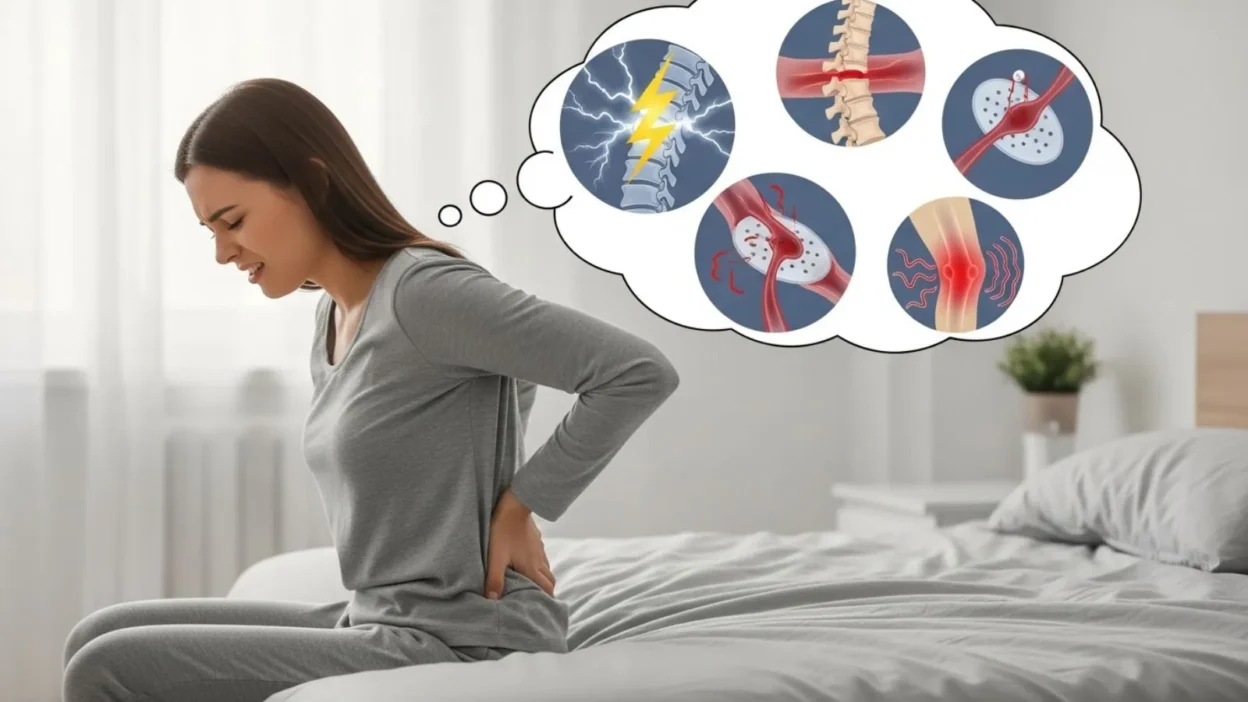
A herniated disc, sometimes called a slipped or ruptured disc, can cause a range of uncomfortable and sometimes alarming sensations in your back, neck, or limbs.
Understanding what a herniated disc feels like is crucial, especially since the symptoms can mimic other conditions like muscle strains or arthritis. People often describe sharp, shooting pain, numbness, tingling, or weakness in the affected areas, which can make daily activities like sitting, walking, or lifting objects challenging.
The intensity and location of pain often depend on whether the herniation occurs in the cervical (neck), thoracic (mid-back), or lumbar (lower back) region of the spine.
While some cases are mild and manageable with simple home care, others may require medical attention or even surgical intervention. This guide will help you recognize the symptoms, understand the causes, explore treatment options, and learn how to prevent further damage.
What a Herniated Disc Feels Like
A herniated disc can create a variety of sensations, and understanding these can help you identify the condition early. Most commonly, people experience sharp, shooting, or burning pain in the affected area. This pain may start suddenly after lifting, twisting, or strenuous activity, or it can develop gradually over time due to age-related disc degeneration.
Another common symptom is numbness or tingling, often radiating from the back or neck into the arms, hands, legs, or feet. For example, a herniated disc in the lower back may cause tingling down the leg—a condition called sciatica—while a neck herniation may lead to numbness in the fingers.
Some individuals also notice muscle weakness in the affected limbs, which can make gripping objects, walking, or standing for long periods difficult. The pain often worsens with certain movements, like bending, twisting, coughing, or sneezing, and may improve when lying down or changing posture.
Other subtle sensations include muscle spasms, stiffness, or a feeling of instability in the spine. Because these symptoms overlap with other back and neck problems, it’s important to pay attention to pattern and location of the pain. Recognizing these signs early can help you seek proper care, prevent worsening of the herniation, and begin treatments that relieve discomfort and restore mobility.
Pain Patterns by Location
The symptoms of a herniated disc can vary depending on where the disc is located along the spine. Understanding these patterns helps identify the source of pain and guides proper treatment.
Cervical (Neck) Herniation:
When the herniation occurs in the neck, pain often radiates from the neck into the shoulders, arms, or hands. Individuals may experience stiffness, sharp pain, numbness, or tingling in the fingers. Some may also notice headaches or neck muscle spasms, which can worsen with movement or prolonged sitting. Weakness in the arms or a reduced ability to grip objects is common, indicating nerve compression.
Thoracic (Mid-back) Herniation:
Although less common, herniated discs in the mid-back can cause pain radiating around the rib cage or chest, sometimes mistaken for heart or lung issues. Stiffness and muscle tightness in the upper back are typical, and bending or twisting can worsen the discomfort.
Lumbar (Lower Back) Herniation:
Lower back herniations are the most frequent. Pain typically radiates down the legs in a pattern known as sciatica, often accompanied by burning, tingling, or numbness in the thighs, calves, or feet. Weakness in the legs may make standing, walking, or climbing stairs challenging. Pain often increases when bending forward, lifting, or sitting for long periods, while relief may come from lying flat or gentle stretching.
Other Symptoms You Might Notice
Beyond pain and numbness, a herniated disc can cause a range of additional symptoms that affect daily life. One common sign is limited range of motion, making it difficult to bend, twist, or stretch comfortably. People often notice that simple activities, such as reaching overhead, turning their neck, or picking up objects, become increasingly uncomfortable.
Muscle spasms or tightness are also frequent. The body naturally tries to stabilize the injured area, which can lead to stiffness in the back, neck, or surrounding muscles. These spasms can make it hard to maintain a normal posture and may intensify after long periods of sitting or standing.
Many individuals experience postural changes as a way to relieve pressure on the affected disc. For example, leaning slightly to one side or keeping the spine bent forward may reduce discomfort temporarily. While these adjustments help in the short term, they can create strain in other muscles and joints if maintained for long periods.
Another symptom often reported is sleep disturbance. Pain and stiffness can make it difficult to find a comfortable sleeping position, leading to restless nights and fatigue.
In some cases, people may notice subtle sensations in daily tasks, such as a weak grip, difficulty lifting objects, or a tendency to stumble while walking. Paying attention to these signs can help you recognize the early effects of a herniated disc.
Causes and Risk Factors
Understanding what causes a herniated disc can help you identify risk factors and take preventive steps. A herniated disc occurs when the soft inner material of a spinal disc pushes through the tougher outer layer, often pressing on nearby nerves and causing pain.
Age-related degeneration is the most common cause. Over time, spinal discs naturally lose water content and flexibility, making them more prone to tearing or bulging. People in their 30s to 50s are particularly at risk.
Poor posture and sedentary lifestyle also contribute. Sitting for long hours, slouching, or improper body mechanics can place excess pressure on the spine, weakening discs over time.
Heavy lifting or sudden twisting movements are frequent triggers. Lifting objects incorrectly or engaging in repetitive motions can strain discs, leading to herniation. Sports or physically demanding jobs increase this risk.
Other significant risk factors include:
- Obesity: Extra body weight places additional stress on the spine.
- Genetics: Family history of disc problems can increase susceptibility.
- Smoking: Reduces blood flow to the discs, slowing repair and making them more fragile.
- Poor nutrition: Lack of nutrients affects disc strength and flexibility.
In some cases, a herniated disc can develop without a clear cause, but combining these risk factors significantly increases the likelihood. Recognizing them early allows for lifestyle adjustments, proper exercise, and ergonomic practices, which can reduce the chance of developing severe symptoms.
Diagnosis and When to See a Doctor
Recognizing when to seek medical attention for a herniated disc is essential for preventing complications and ensuring proper treatment. While mild cases may improve with rest and lifestyle adjustments, certain symptoms require prompt evaluation.
Red flag signs include sudden or worsening weakness in the arms or legs, loss of bladder or bowel control, severe pain that does not improve with rest, or numbness in the genital or inner thigh area. These could indicate serious nerve compression and require urgent medical care.
Diagnosis usually begins with a physical examination. A doctor will check your range of motion, reflexes, muscle strength, and sensation in the affected areas. They may also ask about your medical history and the onset of symptoms.
Imaging tests often confirm the diagnosis. An MRI is the most common method, revealing detailed images of the discs, spinal cord, and nerves. CT scans or X-rays may also be used to rule out other causes of back or neck pain.
Early diagnosis allows doctors to create a personalized treatment plan, which may include medication, physical therapy, or, in severe cases, surgery. It also helps prevent further nerve damage and reduces the risk of chronic pain.
Treatment Options
Treatment for a herniated disc depends on the severity of symptoms, the location of the herniation, and how much it affects daily life. Many cases improve with conservative, non-surgical approaches before more invasive treatments are considered.
Home care and lifestyle modifications are often the first step. Resting for short periods, applying heat or ice therapy, and avoiding activities that worsen pain can provide relief. Gentle stretching and low-impact exercises help maintain mobility, strengthen supporting muscles, and reduce pressure on the affected disc.
Medical treatments include medications like NSAIDs (non-steroidal anti-inflammatory drugs) to reduce pain and inflammation, or muscle relaxants to relieve spasms. Physical therapy is highly effective, focusing on posture correction, core strengthening, and targeted exercises to support the spine. In some cases, epidural steroid injections can reduce inflammation around compressed nerves.
Surgical options are reserved for severe or persistent cases where conservative treatments fail. Procedures such as microdiscectomy or discectomy remove the herniated portion of the disc to relieve nerve pressure. In rare cases, spinal fusion may be necessary to stabilize the spine.
Choosing the right treatment requires guidance from a healthcare professional. Early intervention not only alleviates pain but also prevents further nerve damage and improves long-term outcomes. Even mild herniations benefit from careful management, including lifestyle adjustments, proper posture, and regular exercise to support spinal health.
Prevention and Long Term Management
Preventing a herniated disc and managing long-term spine health involves a combination of exercise, lifestyle adjustments, and proper ergonomics. Strengthening the muscles that support your spine is one of the most effective strategies. Core exercises target the abdominal and back muscles, providing stability and reducing pressure on spinal discs. Regular stretching helps maintain flexibility and reduces the risk of strain.
Maintaining proper posture is equally important. Whether sitting at a desk, standing, or lifting objects, keeping the spine aligned reduces stress on the discs. Use supportive chairs, avoid slouching, and adjust workstations ergonomically.
Safe lifting techniques prevent sudden disc injuries. Always bend at the knees, keep the object close to your body, and avoid twisting while lifting. For physically demanding jobs or sports, proper training and technique are essential.
Healthy weight management plays a key role. Excess body weight increases pressure on the lumbar discs, raising the risk of herniation. Combined with regular low-impact exercise, such as walking, swimming, or cycling, it helps maintain spinal health.
Other long-term strategies include taking frequent breaks from prolonged sitting, avoiding smoking (which reduces blood flow to discs), and maintaining a balanced diet rich in nutrients that support bone and disc health.
By combining these preventive measures, individuals can reduce the risk of herniation, manage minor disc issues, and support overall spinal health. Long-term management not only minimizes pain but also improves mobility and quality of life.
FAQs About Herniated Discs
1. Can a herniated disc heal on its own?
Yes, many herniated discs improve without surgery. The body can naturally reduce inflammation around the affected nerve, and symptoms often lessen with rest, physical therapy, and proper self-care.
2. How long does recovery usually take?
Recovery varies depending on severity. Mild cases may improve within a few weeks, while more significant herniations can take several months. Following medical guidance speeds recovery and reduces the risk of complications.
3. Can herniated discs recur?
Yes, recurrence is possible, especially if preventive measures are not followed. Maintaining good posture, exercising regularly, and avoiding excessive strain helps reduce the risk.
4. Are there exercises to prevent worsening?
Yes. Core strengthening, gentle stretching, and low-impact activities like walking or swimming help support the spine, relieve pressure on discs, and prevent symptom progression.
5. Is surgery always necessary?
No. Surgery is usually reserved for severe cases with persistent pain, significant weakness, or nerve compression. Most people respond well to conservative treatments such as physical therapy, medication, and lifestyle adjustments.
6. How can I distinguish herniated disc pain from other back problems?
Herniated disc pain often radiates along specific nerve paths, such as down the leg (sciatica) or into the arm, and may include numbness or tingling—symptoms that differ from general muscle strain.
Conclusion
A herniated disc can be a painful and disruptive condition, but understanding its symptoms and patterns can help you take timely action.
Sharp or burning pain, numbness, tingling, and muscle weakness are common signs, while additional symptoms like stiffness, posture changes, and sleep disturbances may also occur.
Recognizing the **location of the herniation cervical, thoracic, or lumbar**helps distinguish it from other back or neck problems.
Early diagnosis and treatment, whether through physical therapy, medication, or in severe cases, surgery, are key to preventing further complications and improving quality of life.
Combining these approaches with preventive measures such as core strengthening, proper posture, ergonomic adjustments, and healthy lifestyle habits supports long-term spinal health.

I’m the mind behind Jokesattack.com, your go-to place for daily laughs, clever puns, and hilarious memes. Spreading smiles one joke at a time!