
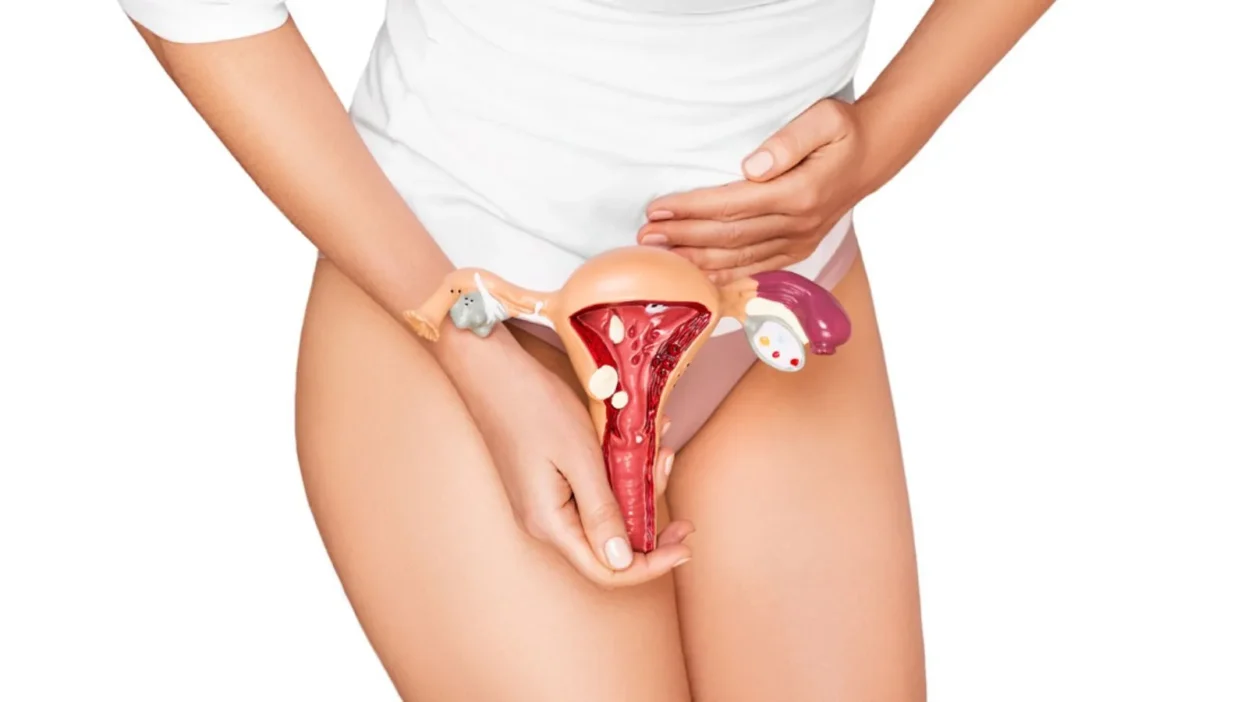
Vaginal cysts are small, fluid-filled sacs that develop on or inside the vaginal walls. While they are usually harmless, many women wonder what a vaginal cyst looks like and how to recognize one.
These cysts can vary in size, shape, and location, and sometimes go unnoticed because they cause no symptoms. However, some cysts may cause discomfort, swelling, or pain during daily activities or sexual intercourse.
Common types include Bartholin’s cysts, Gartner’s duct cysts, and inclusion cysts, each forming for different reasons such as blocked glands, infections, or minor injuries.
Understanding the appearance, symptoms, and causes of vaginal cysts can help women identify them early and seek proper medical care when needed.
This article explores everything you need to know about vaginal cysts, including visual signs, symptoms, treatment options, and preventive measures to maintain vaginal health.
Understanding Vaginal Cysts
A vaginal cyst is a sac-like structure filled with fluid or semi-solid material that forms in or around the vaginal walls. Most cysts are benign, meaning they are not cancerous, but they can vary in size and type. Vaginal cysts develop when glands or ducts within the vaginal tissue become blocked, leading to fluid accumulation. Sometimes, minor trauma, infections, or hormonal changes can also trigger cyst formation.
While vaginal cysts are relatively common, many women are unaware they have one because they may not cause noticeable symptoms. Some cysts are small, painless, and only discovered during a routine gynecological exam. Others, however, can grow larger, cause swelling, tenderness, or discomfort during sexual activity, sitting, or walking.
There are several types of vaginal cysts, including Bartholin’s cysts, which form near the vaginal opening; Gartner’s duct cysts, which develop along the vaginal walls; and inclusion cysts, which usually appear after minor injuries or surgeries. Each type may look slightly different and may require specific medical attention depending on size, symptoms, or risk of infection.
Understanding what a vaginal cyst is and how it forms is the first step in recognizing it. Being aware of your body and noticing unusual lumps, swelling, or discomfort can help in early detection, allowing for proper medical evaluation and treatment if necessary.
Common Types of Vaginal Cysts
Vaginal cysts can appear in different forms depending on their origin and cause. Understanding the common types can help identify them and determine the appropriate care or treatment.
1. Bartholin’s Cyst:
This is the most well-known vaginal cyst. It develops when the Bartholin’s glands, located on either side of the vaginal opening, become blocked. Bartholin’s cysts are usually painless but can become swollen and tender if infected, forming an abscess. They often feel like a soft, round lump near the labia.
2. Gartner’s Duct Cyst:
These cysts form along the vaginal walls due to remnants of the Gartner’s duct, which is present during fetal development. Gartner’s duct cysts are typically small, fluid-filled, and located on the upper or lateral walls of the vagina. They rarely cause symptoms but may occasionally lead to discomfort or pressure.
3. Inclusion Cysts:
Also called epithelial or mucous cysts, inclusion cysts form when vaginal tissue gets trapped under the surface due to minor injuries, childbirth, or surgery. They are usually small, painless, and appear as smooth lumps along the vaginal walls.
4. Epidermoid and Other Rare Cysts:
Epidermoid cysts are less common and develop from skin cells trapped under the vaginal tissue. Other rare cysts include Skene’s duct cysts, which form near the urethra.
How Vaginal Cysts Look: Visual Guide
Vaginal cysts can vary greatly in appearance depending on their type, size, and location. Most cysts are small, round, and smooth, but some can grow larger and become more noticeable. Typically, they appear as soft or firm lumps along the vaginal walls or near the vaginal opening.
Size and Shape:
Small cysts are often pea-sized and may be completely painless. Larger cysts can swell to the size of a marble or more, sometimes causing discomfort while walking, sitting, or during sexual activity. Shapes can be round or oval, with smooth, well-defined edges.
Color:
Most cysts match the surrounding skin or vaginal tissue, appearing flesh-colored or slightly pink. Fluid-filled cysts may have a bluish or translucent appearance. If the cyst becomes infected, the area may turn red, inflamed, or tender to touch.
Location:
- Bartholin’s cysts are commonly found at the lower part of the vaginal opening, near the labia.
- Gartner’s duct cysts appear along the upper or side walls of the vagina.
- Inclusion cysts usually form along the inner vaginal wall or at the site of previous trauma.
Consistency:
Cysts can feel soft and compressible if filled with fluid, or firm if filled with thicker material. Painful or tender cysts often indicate infection or inflammation.
Symptoms of Vaginal Cysts
While many vaginal cysts are small and harmless, they can sometimes produce noticeable symptoms. Recognizing these signs early helps in seeking appropriate care and avoiding complications.
1. Visible or Palpable Lump:
One of the most common signs is a lump or swelling near the vaginal opening or along the vaginal walls. The size can range from tiny, pea-sized bumps to larger, marble-like cysts. Some cysts are so small they are only detected during a gynecological exam.
2. Pain or Discomfort:
Pain may occur during daily activities, sexual intercourse, or while sitting. Bartholin’s cysts, in particular, can become tender if infected, forming an abscess that causes significant discomfort.
3. Redness and Swelling:
An infected or inflamed cyst may appear red, warm to the touch, and swollen. This often signals a need for prompt medical evaluation.
4. Discharge:
Some cysts, especially if infected, may leak fluid or pus. This can sometimes have an unpleasant odor and may accompany irritation or itching.
5. Asymptomatic Cases:
Many vaginal cysts do not cause symptoms at all. Women may not notice them unless they perform a self-exam or visit a gynecologist for routine screening.
Causes and Risk Factors
Vaginal cysts form when fluid, tissue, or other material accumulates in a sac-like structure within or around the vaginal walls. Understanding the causes and risk factors can help women take preventive measures and seek timely medical care.
1. Blocked Glands or Ducts:
The most common cause is blockage of natural vaginal glands. For example, Bartholin’s cysts develop when the Bartholin’s glands near the vaginal opening are blocked, preventing fluid from draining properly. Similarly, Gartner’s duct cysts form when remnants of embryonic ducts fail to regress and become fluid-filled.
2. Infection or Inflammation:
Bacterial infections, sexually transmitted infections (STIs), or repeated inflammation can lead to cyst formation. Infected cysts may swell, become red, and cause pain or pus discharge.
3. Trauma or Surgery:
Minor injuries, vaginal procedures, or childbirth can trap tissue under the vaginal surface, leading to inclusion cysts. Scar tissue may also contribute to fluid accumulation over time.
4. Hormonal Changes:
Hormonal fluctuations during menstruation, pregnancy, or menopause may increase the likelihood of cyst formation by affecting gland function.
5. Rare or Congenital Causes:
Some cysts, such as Gartner’s duct cysts, are congenital and result from developmental remnants. These cysts may go unnoticed until adulthood.
Risk Factors:
Women who are sexually active, have a history of vaginal infections, or have undergone vaginal surgery may be at slightly higher risk. Regular gynecological exams, good hygiene, and early treatment of infections can help reduce the chances of cyst formation.
When to See a Doctor
While most vaginal cysts are harmless and may resolve on their own, certain signs indicate the need for medical evaluation. Knowing when to see a doctor can prevent complications and ensure proper treatment.
1. Pain or Discomfort:
If a cyst causes persistent pain, tenderness, or swelling—especially while sitting, walking, or during sexual activity—it’s important to seek medical attention. Painful cysts, particularly Bartholin’s cysts, can indicate infection or abscess formation.
2. Rapid Growth or Large Size:
A cyst that grows quickly or becomes noticeably large may require medical intervention. Rapid enlargement can put pressure on surrounding tissues and increase the risk of discomfort or infection.
3. Signs of Infection:
Redness, warmth, swelling, pus discharge, or a foul odor may indicate an infected cyst. Fever or general malaise alongside these symptoms is a sign to consult a doctor promptly.
4. Recurrent Cysts:
If you experience repeated cysts in the same area, medical evaluation is essential. Recurrent cysts may need more permanent treatment, such as drainage or surgical removal.
5. Unusual Appearance:
Any cyst that looks unusual in color, shape, or texture—or bleeds without reason—should be checked. Though rare, some cysts can be linked to other medical conditions requiring attention.
Diagnosis Methods
Accurate diagnosis of a vaginal cyst is essential to determine its type, size, and whether it requires treatment. Gynecologists use a combination of physical examination, imaging, and, in rare cases, laboratory tests to identify cysts effectively.
1. Physical Examination:
A gynecologist usually begins with a careful visual and manual examination of the vaginal area. They check for size, shape, texture, location, and tenderness of any lumps or swelling. This initial assessment helps distinguish a cyst from other vaginal issues, such as abscesses, tumors, or warts.
2. Ultrasound or Imaging Tests:
If the cyst is deeper or unclear, an ultrasound may be performed. This non-invasive imaging shows whether the cyst is fluid-filled, solid, or mixed. In some cases, MRI or CT scans are used for complex or recurrent cysts to get a detailed view of surrounding tissues.
3. Laboratory Tests:
For cysts suspected of infection, fluid may be collected for laboratory testing to identify bacteria or other pathogens. Blood tests may also be recommended if signs of infection or inflammation are present.
4. Biopsy (Rare Cases):
In uncommon situations where a cyst appears suspicious or unusual, a small tissue sample may be taken for biopsy. This ensures the cyst is not malignant or linked to other medical conditions.
5. Differential Diagnosis:
Diagnosis also involves distinguishing cysts from other vaginal lumps, such as fibromas, polyps, or abscesses. Accurate identification ensures proper treatment and prevents unnecessary interventions.
Treatment Options
Treatment for vaginal cysts depends on the type, size, symptoms, and whether the cyst is infected or causing discomfort. Many cysts are small and painless, requiring no immediate treatment, while others may need medical or surgical intervention.
1. Watchful Waiting:
Small, asymptomatic cysts often resolve on their own. Regular monitoring is recommended to ensure the cyst does not grow or become painful. Women are advised to perform gentle self-checks and report any changes to their doctor.
2. Home Care:
For minor discomfort, warm sitz baths can help reduce swelling and pain. Maintaining proper hygiene and avoiding irritation can prevent infections or worsening of the cyst. Over-the-counter pain relievers may provide temporary relief if needed.
3. Medical Treatments:
- Drainage: For larger or symptomatic cysts, a doctor may drain the fluid to relieve discomfort.
- Marsupialization: This surgical technique creates a small permanent opening to prevent fluid from reaccumulating, often used for Bartholin’s cysts.
- Surgical Removal: Recurrent or large cysts may require full excision. Surgery is typically straightforward but performed under medical supervision.
4. Antibiotics:
If the cyst is infected, antibiotics may be prescribed to treat the infection before or after drainage.
5. Follow-Up:
After treatment, followup exams ensure proper healing and check for recurrence. Women are encouraged to monitor the area and report any unusual changes promptly.
Prevention and Self Care Tips
Although vaginal cysts cannot always be completely prevented, certain habits and self-care practices can reduce the risk of formation and recurrence. Awareness and proactive care are key to maintaining vaginal health.
1. Maintain Good Hygiene:
Keeping the vaginal area clean and dry helps prevent infections that may contribute to cyst formation. Use gentle, unscented cleansers and avoid harsh soaps or douches that can irritate sensitive tissue.
2. Avoid Trauma:
Minimize injuries to the vaginal area by being careful during sexual activity, sports, or medical procedures. Trauma can lead to inclusion cysts or trigger inflammation.
3. Safe Sexual Practices:
Using protection during sexual activity reduces the risk of sexually transmitted infections (STIs), which can sometimes cause vaginal cysts or worsen existing ones.
4. Regular Gynecological Exams:
Routine visits to a gynecologist help detect cysts early, even before symptoms appear. Early detection allows timely treatment and prevents complications, such as infection or rapid growth.
5. Monitor Changes:
Perform gentle self-checks to notice unusual lumps, swelling, or discomfort. Keeping a record of changes can help your doctor make accurate diagnoses and monitor cysts effectively.
6. Healthy Lifestyle:
Maintaining a balanced diet, staying hydrated, and managing stress support overall immune and hormonal health, which may indirectly reduce the likelihood of cyst formation.
7. Prompt Treatment of Infections:
Addressing vaginal infections quickly can prevent complications that might lead to cyst development.
FAQs:
1. Can vaginal cysts go away on their own?
Yes, many small and asymptomatic cysts resolve without treatment. Regular monitoring ensures they do not grow or become infected.
2. Are vaginal cysts cancerous?
Most vaginal cysts are benign. Malignant cysts are extremely rare. However, any unusual changes in size, color, or texture should be evaluated by a doctor.
3. How long does it take for a cyst to heal?
Healing time depends on size and treatment. Small cysts may resolve in a few weeks, while drained or surgically removed cysts may take several weeks to fully heal.
4. Can cysts affect fertility?
Typically, vaginal cysts do not affect fertility. However, cysts causing infections or significant inflammation may need medical management to avoid complications.
5. What is the difference between a cyst and an abscess?
A cyst is usually fluid-filled and painless, while an abscess is infected, swollen, tender, and may produce pus. Abscesses often require drainage and antibiotics.
6. Can cysts recur?
Yes, some cysts, particularly Bartholin’s cysts, can recur. Recurrent cysts may require surgical intervention to prevent further episodes.
7. Are home remedies effective?
Warm sitz baths and proper hygiene may relieve minor discomfort, but medical treatment is recommended for large, painful, or infected cysts.
Conclusion:
Vaginal cysts are common and usually harmless, but understanding their appearance, symptoms, and causes is essential for early detection and proper care.
They can vary in size, shape, and location, ranging from small, painless lumps to larger, tender swellings that may cause discomfort during daily activities or sexual activity.
Common types include Bartholin’s cysts, Gartner’s duct cysts, and inclusion cysts, each with distinct characteristics and treatment approaches.
While many cysts resolve on their own, persistent, painful, or recurrent cysts require medical evaluation for appropriate management, which may include drainage, surgical removal, or antibiotics if infection occurs.
Practicing good hygiene, monitoring changes, attending regular gynecological exams, and addressing infections promptly can help reduce the risk of cyst formation. Being informed and proactive ensures vaginal health, comfort, and peace of mind.

I’m the author behind Jokesattack.com, where I share the funniest jokes, puns, and memes to make your day brighter with laughter. 😄🎉