
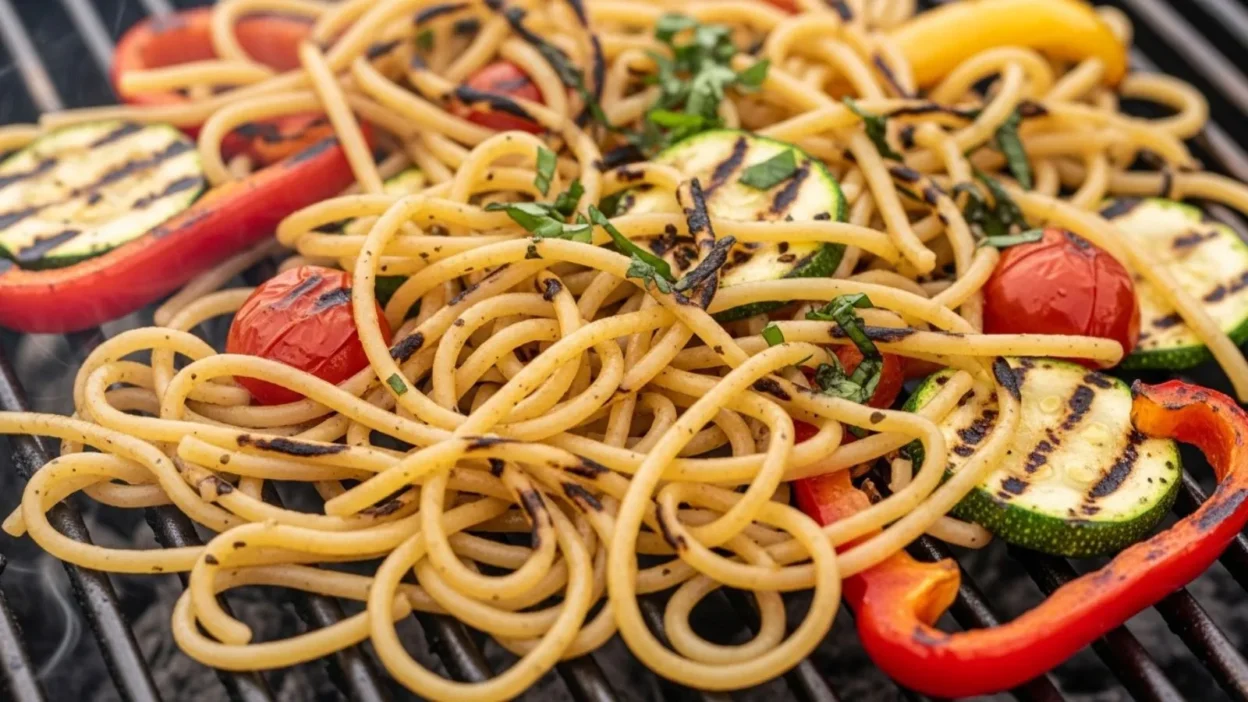
Pasta lovers around the world often hear the term “al dente”, but not everyone knows exactly what it means. Originating from Italian cuisine, al dente literally translates to “to the tooth,” describing the ideal texture of perfectly cooked pasta.
It’s neither too soft nor too hard just firm enough to hold its shape and provide a satisfying bite. Cooking pasta al dente not only enhances its taste but also improves digestion and nutrient retention.
If you’re preparing spaghetti, penne, or lasagna, understanding how to achieve this perfect balance is essential for any home cook or aspiring chef. In this article, we’ll explore the true meaning of al dente, its history, step-by-step cooking tips, common mistakes to avoid, and even its health benefits.
By the end, you’ll have all the knowledge you need to cook pasta that’s perfectly al dente every time.
What Does Al Dente Mean?
The term al dente comes from Italian, meaning “to the tooth.” It refers to the ideal texture of cooked pasta—firm when bitten, yet tender enough to chew comfortably. Achieving al dente pasta means it is cooked just enough to maintain structure, without becoming mushy or overly soft. This texture not only enhances the eating experience but also allows sauces to cling better to the pasta, creating a more flavorful dish.
Many home cooks confuse al dente with undercooked pasta, but there’s a key difference. Undercooked pasta is hard, chalky, and unpleasant to bite, while al dente pasta has a slight resistance that gives it a satisfying “bite.” Overcooked pasta, on the other hand, becomes soft, sticky, and loses its shape, making it less appealing.
Different types of pasta have varying ideal cooking times for al dente. For example, spaghetti may take 8–10 minutes, penne around 10–12 minutes, and lasagna sheets slightly longer. The best way to check is to taste a piece a minute or two before the suggested time—it should be firm but not crunchy.
History and Origin of Al Dente
The concept of al dente has deep roots in Italian culinary tradition. Italians have long valued not just the flavor but also the texture of pasta, believing that a perfect bite is just as important as the sauce it’s paired with. The term itself, meaning “to the tooth,” reflects this focus on texture—pasta should offer slight resistance when bitten, enhancing both taste and mouthfeel.
Historically, pasta was cooked over open flames in large pots of water, and cooks quickly realized that overcooked pasta became mushy and unappealing. Achieving the perfect firmness became an art, and al dente soon became the gold standard for pasta preparation in Italy. Over time, this cooking method spread throughout Europe and eventually the world, bringing authentic Italian pasta techniques to kitchens everywhere.
Al dente pasta also became associated with health and nutrition. Italians noticed that pasta cooked to a firm texture was easier to digest and retained more nutrients compared to soft, overcooked pasta. This made it not only a culinary choice but also a practical one.
Today, chefs and home cooks alike aim for al dente perfection. From spaghetti in Naples to penne in Rome, the technique honors centuries of Italian cooking wisdom. Understanding its origin helps pasta lovers appreciate the care and tradition behind each perfectly cooked bite.
How to Cook Pasta Al Dente
Cooking pasta al dente requires attention to timing and technique. The first step is to bring a large pot of water to a rolling boil. Using plenty of water ensures that the pasta cooks evenly and doesn’t stick together. Once the water is boiling, add a generous amount of salt—about 1–2 tablespoons per liter of water. This not only flavors the pasta but also enhances its texture.
Next, add your pasta to the boiling water and stir immediately to prevent it from sticking. Follow the cooking time suggested on the pasta package as a guideline, but remember that these times are approximate. Begin checking the pasta a minute or two before the recommended time. Take a piece out and bite into it—it should be firm yet tender, with just a slight resistance in the center.
Different pasta shapes may require slight adjustments in cooking time. Long strands like spaghetti or fettuccine cook faster than thicker shapes such as rigatoni or lasagna sheets. For uniform cooking, stir occasionally throughout the process.
Once the pasta reaches al dente, drain it immediately, reserving a small amount of pasta water if needed for your sauce. Avoid rinsing unless preparing a cold pasta dish, as rinsing removes starch that helps sauce cling.
By practicing these steps, you can consistently achieve perfectly cooked pasta that’s firm to the bite, flavorful, and ready to complement any sauce. Mastering al dente pasta transforms ordinary meals into authentic Italian experiences.
Tips and Tricks for Perfect Al Dente Pasta
Cooking pasta al dente consistently is easier when you follow a few simple tips. First, always use plenty of water. A large pot allows pasta to move freely, preventing sticking and ensuring even cooking. Adding enough salt is equally important—it seasons the pasta from within and enhances its natural flavor. A general rule is one to two tablespoons of salt per liter of water.
Stirring the pasta during cooking is crucial, especially in the first few minutes. This prevents the strands or shapes from clumping together and ensures every piece cooks evenly. Avoid overcooking by tasting early—begin checking the pasta a minute or two before the package’s suggested time. Remember, it should be firm with a slight bite, not mushy or hard.
Another trick is to reserve a small amount of pasta water before draining. The starchy water can help bind sauces to the pasta, enhancing both texture and flavor. Avoid rinsing the pasta unless making a cold dish, as the starch layer helps sauces stick.
Lastly, pair pasta with sauce immediately. Al dente pasta tastes best when served fresh and warm. Letting it sit too long can cause it to continue cooking from residual heat, softening the texture.
By following these tips, even novice cooks can master al dente pasta. With practice, you’ll achieve that ideal bite every time, creating authentic, restaurant-quality pasta dishes right in your own kitchen.
Health Benefits of Al Dente Pasta
Cooking pasta al dente isn’t just about texture—it also offers several health benefits. One key advantage is a lower glycemic index compared to overcooked pasta. Pasta that is cooked firm to the bite releases sugar into the bloodstream more slowly, helping to maintain steady energy levels and reducing spikes in blood sugar. This makes al dente pasta a healthier choice for people managing diabetes or watching their energy levels throughout the day.
Another benefit is better digestion. Overcooked pasta can be soft and easy to overeat, whereas al dente pasta is firmer and takes longer to chew, which can aid in digestion and promote feelings of fullness. Additionally, cooking pasta to the right texture helps retain nutrients, such as B vitamins and minerals, which can be partially lost in overcooked, mushy pasta.
Eating al dente pasta also encourages mindful eating. The slight firmness requires more attention to each bite, helping you enjoy the flavors and textures of your meal. This practice can support healthier eating habits and portion control.
Lastly, al dente pasta forms the foundation for balanced Italian-style meals, which typically combine pasta with vegetables, lean proteins, and healthy fats. By cooking pasta correctly, you not only enhance taste and texture but also contribute to a more nutritious and satisfying meal.
Incorporating al dente pasta into your cooking routine is a simple yet effective way to enjoy both authentic flavor and improved health benefits, making every pasta dish a little better for your body and taste buds.
Common Mistakes When Cooking Al Dente Pasta
Even experienced cooks sometimes struggle with achieving perfect al dente pasta. Understanding common mistakes can help you avoid overcooked or unevenly cooked pasta. One of the most frequent errors is overcooking. Following package directions is helpful, but every stove and pot is different, so tasting the pasta a minute or two before the suggested time is crucial. Overcooked pasta becomes soft, sticky, and loses its signature bite.
Another mistake is using too little water. Pasta needs room to move freely; overcrowding the pot can cause it to stick together and cook unevenly. Always use a large pot with plenty of boiling water. Not stirring is another common error, especially in the first few minutes of cooking, when pasta is most likely to stick.
Some cooks also rinse their pasta after draining, thinking it will prevent sticking. While this may be okay for cold pasta salads, rinsing removes starch that helps sauces cling, resulting in less flavorful dishes. Another overlooked mistake is waiting too long to serve pasta. Residual heat continues cooking the pasta after draining, which can soften it beyond al dente if not served promptly.
Lastly, ignoring the pasta type can lead to mistakes. Different shapes and sizes require slightly different cooking times, so adjusting for shape is key. By avoiding these common errors, you can consistently achieve firm, flavorful pasta that holds up beautifully with any sauce.
FAQs
1. How long should pasta be cooked al dente?
Cooking time depends on the type and shape of pasta. Generally, long pasta like spaghetti takes 8–10 minutes, while thicker shapes like penne may need 10–12 minutes. Always taste a piece a minute or two before the suggested time to check for firmness.
2. Can frozen pasta be cooked al dente?
Yes. Frozen pasta can be cooked al dente, but it requires slightly less boiling time than dry pasta. Always follow package instructions and taste test for the right texture.
3. Is al dente pasta healthier?
Yes. Al dente pasta has a lower glycemic index than overcooked pasta, which helps regulate blood sugar levels. It also retains more nutrients and is easier to digest.
4. Does al dente mean undercooked?
No. Al dente is not undercooked. It’s cooked fully but remains firm in the center, providing a slight bite. Undercooked pasta, in contrast, is hard and chalky.
5. How can I check if pasta is perfectly al dente?
The best method is to taste it. Bite into the pasta—it should be tender but firm, offering slight resistance in the center. Visually, it should hold its shape and not appear mushy.
Conclusion
Mastering al dente pasta is a simple yet impactful way to elevate your cooking. This Italian term, meaning “to the tooth,” highlights the importance of texture, ensuring pasta is firm yet tender with every bite.
Cooking pasta al dente not only enhances flavor and sauce absorption but also provides health benefits, such as better digestion and a lower glycemic index.
By understanding the history, following step-by-step cooking techniques, and avoiding common mistakes, you can consistently achieve the perfect al dente texture at home.
Simple tips like using plenty of water, adding enough salt, stirring regularly, and tasting early can make all the difference.
Whether you’re preparing spaghetti, penne, or lasagna, aiming for al dente will transform your dishes into authentic, restaurant-quality meals.
With practice, each bite will offer that satisfying firmness that makes pasta truly enjoyable. Embrace al dente, and your pasta will never be the same again.

I’m the mind behind Jokesattack.com, your go-to place for daily laughs, clever puns, and hilarious memes. Spreading smiles one joke at a time!