
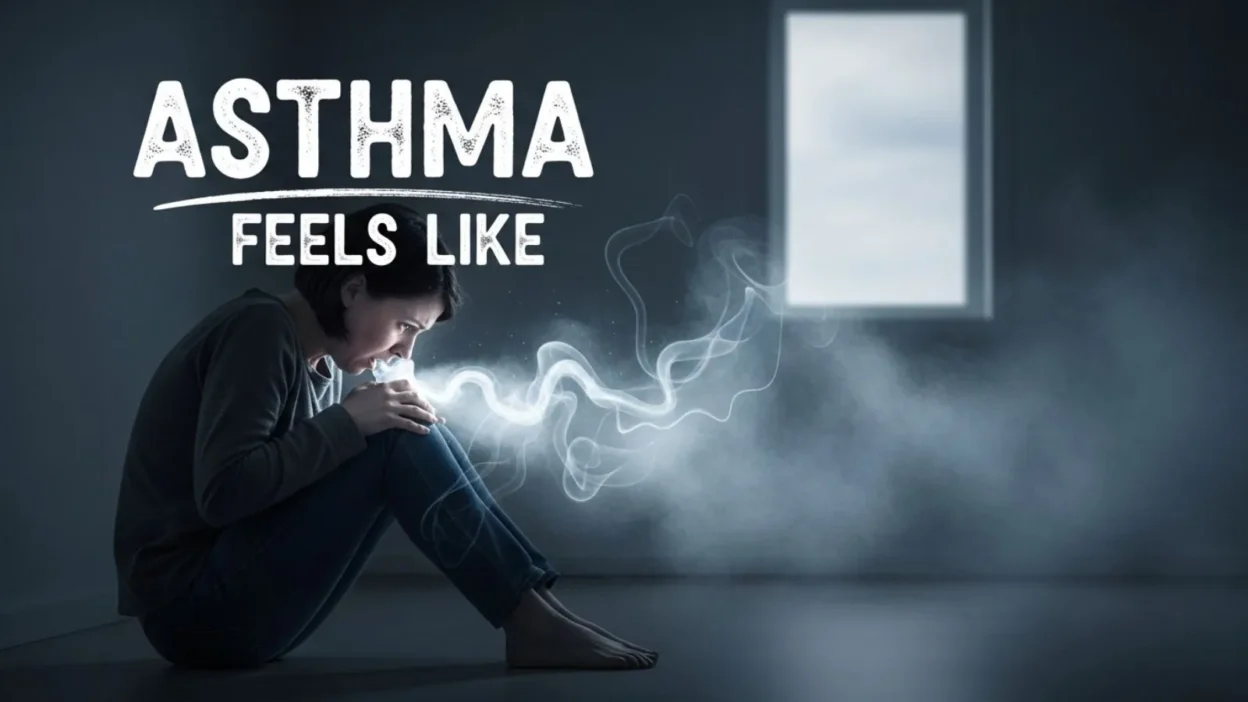
Asthma is a chronic respiratory condition that affects millions of people worldwide, yet many struggle to understand what it truly feels like.
For someone experiencing asthma, it’s more than occasional coughing or mild shortness of breath it’s a combination of physical and emotional sensations that can be frightening and exhausting.
People with asthma may notice wheezing, chest tightness, difficulty breathing, or sudden coughing fits that interrupt daily life. These symptoms can vary in intensity, from mild discomfort during exercise to severe attacks that require urgent medical attention.
Beyond the physical effects, asthma often brings anxiety, stress, and a sense of vulnerability, especially during an attack. Understanding what asthma feels like helps not only those living with the condition but also their friends, family, and caregivers.
In this article, we’ll explore the sensations, triggers, and experiences of asthma to give a clear picture of this common respiratory condition.
Common Physical Symptoms of Asthma
Asthma affects the lungs and airways, causing a variety of physical symptoms that can range from mild to severe. One of the most recognizable signs is wheezing, a high-pitched whistling sound that occurs when breathing out. Wheezing is often more noticeable during nighttime or after physical activity and can signal that the airways are narrowed or inflamed.
Another common symptom is shortness of breath. People with asthma may feel like they cannot get enough air into their lungs, especially during an asthma attack. This sensation can be alarming, leading to rapid breathing or a feeling of suffocation. Along with shortness of breath, chest tightness often occurs. Many describe it as pressure, heaviness, or a constricted feeling across the chest, which can make normal breathing feel difficult.
Coughing is also a frequent symptom, sometimes persistent and particularly noticeable at night or in the early morning. The cough may be dry or accompanied by mucus and often worsens during exposure to triggers such as allergens or cold air.
In addition to these primary symptoms, asthma can lead to fatigue and low energy, as the body works harder to breathe. Some people may also experience lightheadedness or dizziness during intense episodes. Recognizing these symptoms early can help individuals manage asthma effectively and prevent severe attacks.
Emotional and Sensory Experience of Asthma
Asthma is not just a physical condition—it also has a significant emotional and sensory impact. During an asthma attack, many people experience anxiety or panic as they struggle to breathe. The feeling of not getting enough air can be frightening, making the attack feel even more intense. This sense of suffocation often triggers a heightened stress response, which can worsen symptoms and make breathing even harder.
People with asthma may also describe a tight, constricted feeling in the chest, as if a band is squeezing around it. This sensation can be persistent during attacks and even linger afterward, creating ongoing discomfort. The wheezing and coughing add to the sensory overload, making normal breathing feel almost impossible at times.
The emotional toll of asthma extends beyond attacks. Many individuals feel vulnerable or frustrated due to the unpredictability of symptoms. Daily activities, such as exercise or social events, can be limited by the fear of triggering an episode. Over time, this can lead to heightened anxiety, stress, or even mild depression in some cases.
Asthma can also affect sleep, as nighttime coughing, wheezing, and shortness of breath disrupt rest and contribute to fatigue. Recognizing both the physical and emotional sensations of asthma is essential for understanding the full experience of the condition. Awareness of these feelings helps patients, caregivers, and friends respond appropriately and provide the support needed during flare-ups.
Triggers That Can Cause Asthma Flare-Ups
Asthma symptoms often worsen when a person is exposed to specific triggers, which can vary from person to person. One of the most common triggers is allergens, such as pollen, dust mites, mold, or pet dander. Exposure to these substances can inflame the airways, causing wheezing, coughing, and shortness of breath. Seasonal changes, especially during spring or fall, may also intensify allergic reactions and trigger asthma attacks.
Environmental factors are another major cause of flare-ups. Smoke from cigarettes, pollution, chemical fumes, and strong odors can irritate the lungs and worsen symptoms. Cold or dry air may also constrict airways, making it harder to breathe, particularly during outdoor activities or exercise.
Exercise-induced asthma is common, where physical activity causes temporary narrowing of the airways. People may experience coughing, chest tightness, or wheezing during or after vigorous exercise, especially in cold or dry environments.
Respiratory infections, such as colds, flu, or bronchitis, can also trigger asthma symptoms. Even mild infections can inflame the airways, leading to prolonged coughing or difficulty breathing.
Emotional triggers, including stress, anxiety, or strong emotions, can further exacerbate symptoms. The body’s response to stress may increase airway constriction and make breathing more challenging.
Differentiating Mild, Moderate, and Severe Asthma Experiences
Asthma symptoms can vary greatly depending on the severity of the condition, and understanding these differences is essential for proper management. Mild asthma often presents with occasional symptoms that may only occur during exercise, exposure to allergens, or respiratory infections. People with mild asthma may experience intermittent wheezing, slight shortness of breath, and mild chest tightness, but these symptoms are usually manageable and do not significantly impact daily activities.
Moderate asthma is more persistent. Individuals may experience frequent coughing, noticeable chest tightness, and difficulty breathing even during routine activities. Nighttime symptoms, such as coughing or wheezing, are common and can disrupt sleep. Moderate asthma can limit physical activity and may require daily medication to control symptoms and prevent flare-ups.
Severe asthma is chronic and often resistant to standard treatment. People with severe asthma may experience constant shortness of breath, continuous wheezing, and frequent, intense asthma attacks. Daily life can be heavily affected, and even simple tasks like walking or climbing stairs may feel exhausting. Severe asthma often requires multiple medications, including inhalers, oral steroids, or biologics, and may necessitate emergency medical care during attacks.
The sensation of asthma differs across these levels. In mild cases, the feeling may be like a temporary tightening in the chest, whereas in moderate asthma, breathing can feel noticeably restricted and uncomfortable. Severe asthma can feel overwhelming, as if every breath requires effort, often accompanied by anxiety or panic. Recognizing the severity of symptoms helps in managing asthma effectively and seeking timely medical attention.
How Asthma Feels During an Attack
Experiencing an asthma attack can be frightening, as the body struggles to get enough air. The most immediate sensation is often shortness of breath, making each inhalation feel shallow and insufficient. Many people describe the feeling as if the airways are tightened or blocked, creating pressure in the chest and making it hard to fully expand the lungs. This chest tightness can vary from mild discomfort to a severe, constrictive sensation that feels overwhelming.
Wheezing is another hallmark of an asthma attack. It is a high-pitched whistling sound heard during breathing, particularly when exhaling. This occurs because narrowed airways restrict airflow, causing turbulence in the lungs. Alongside wheezing, coughing can become persistent, sometimes producing mucus, and may worsen at night or after exposure to triggers.
An asthma attack often triggers anxiety or panic, which can amplify the physical symptoms. The fear of not being able to breathe fully can create a feedback loop, making it even more difficult to regain control. Some people also feel lightheaded or dizzy as oxygen intake drops, and physical exhaustion may follow as the body struggles to meet its oxygen needs.
Symptoms can appear suddenly or gradually, lasting from a few minutes to several hours if untreated. Recognizing an attack early and using prescribed rescue inhalers or medications is crucial. Understanding what an asthma attack feels like helps patients, caregivers, and loved ones respond effectively and manage the episode safely.
Coping With Asthma Symptoms
Managing asthma requires a combination of medical treatment, lifestyle adjustments, and awareness of personal triggers. One of the most effective ways to cope is through medications, including rescue inhalers, preventive inhalers, and other prescribed treatments. Rescue inhalers provide quick relief during an attack by opening the airways, while preventive medications reduce inflammation and lower the risk of future flare-ups. Following a prescribed medication plan is essential for controlling symptoms and preventing severe attacks.
Breathing techniques can also help manage symptoms, particularly during mild episodes or stress-induced flare-ups. Techniques like pursed-lip breathing and diaphragmatic breathing encourage deeper, slower breaths, helping to reduce shortness of breath and calm anxiety. Practicing these methods regularly can improve lung function and increase confidence in handling symptoms.
Lifestyle adjustments play a crucial role in reducing asthma triggers. Avoiding exposure to allergens, smoke, pollutants, and extreme temperatures can significantly lower the frequency of attacks. Maintaining good indoor air quality, staying hydrated, and incorporating moderate exercise, when safe, also support respiratory health.
Developing a personal asthma action plan is highly recommended. This plan outlines steps to take during mild, moderate, or severe symptoms, including when to use medications and when to seek emergency care. Awareness of early warning signs, like increased coughing or wheezing, allows individuals to act quickly and prevent severe attacks.
Real Life Experiences of People With Asthma
Living with asthma can be a daily challenge, and the experiences of those affected vary widely. Many people describe a constant awareness of their breathing, particularly when performing simple activities like walking, climbing stairs, or exercising. Even minor exertion can trigger shortness of breath, wheezing, or chest tightness, making everyday tasks feel exhausting. For some, asthma becomes a source of stress and frustration, as the unpredictability of flare-ups can disrupt routines, work, or social life.
Nighttime symptoms are another common concern. Coughing, wheezing, and difficulty breathing often intensify at night, leading to disturbed sleep and fatigue the next day. This can affect concentration, mood, and overall quality of life. Many asthma patients report feeling anxious or on edge, anticipating when the next attack might occur. This emotional burden can sometimes be as challenging as the physical symptoms themselves.
Exercise or outdoor activities may require extra preparation, such as using an inhaler beforehand or avoiding triggers like cold air or pollen. Some people have adapted by monitoring weather conditions, avoiding smoky areas, or keeping medications handy at all times. Despite these challenges, many individuals with asthma lead active and fulfilling lives, learning to recognize early warning signs and manage symptoms effectively.
Hearing real-life experiences highlights the importance of empathy, understanding, and support from friends, family, and caregivers. It also emphasizes the need for education and awareness about asthma, ensuring that those affected feel equipped to handle both the physical and emotional aspects of the condition.
Long Term Effects and Managing Asthma
Asthma, when not properly managed, can have long-term effects on the lungs and overall health. Persistent inflammation and repeated flare-ups can cause airway remodeling, a condition where the airways thicken and become less flexible. Over time, this can lead to more frequent breathing difficulties and decreased lung function. People with poorly controlled asthma may also experience chronic fatigue, reduced stamina, and a lower ability to perform daily activities.
Consistent medication adherence is crucial to prevent these long-term complications. Preventive inhalers, oral medications, and biologic treatments help reduce inflammation, improve lung function, and minimize the risk of severe attacks. Regular check-ups with healthcare providers allow for adjustments in treatment plans and early detection of worsening symptoms.
Lifestyle habits also play a key role in managing asthma. Avoiding known triggers like allergens, smoke, or extreme temperatures can significantly reduce flare-ups. Maintaining a healthy weight, engaging in moderate exercise, and practicing stress-reducing techniques like yoga or breathing exercises can improve overall respiratory health.
Education and self-awareness are equally important. People with asthma benefit from learning how to monitor symptoms, recognize early warning signs, and respond appropriately. Creating an asthma action plan ensures that individuals know when to use medications, adjust activities, or seek emergency care.
By combining medical management, lifestyle adjustments, and awareness, individuals with asthma can minimize long-term risks, maintain better lung health, and lead an active, fulfilling life despite the challenges of the condition.
Frequently Asked Questions About Asthma Sensations
1. Can asthma feel like a panic attack?
Yes. During an asthma attack, the feeling of shortness of breath, chest tightness, and difficulty inhaling can mimic a panic attack. Anxiety triggered by the inability to breathe fully can make symptoms feel more intense.
2. Why does asthma worsen at night?
Asthma symptoms often worsen at night due to lower hormone levels, cooler air, and allergens in bedding such as dust mites. This can lead to nighttime coughing, wheezing, and difficulty breathing, disrupting sleep.
3. Is wheezing always a sign of asthma?
Not always. Wheezing can be caused by other conditions such as bronchitis, allergies, or respiratory infections. However, persistent wheezing combined with other symptoms like shortness of breath and chest tightness may indicate asthma.
4. How quickly do asthma symptoms appear?
Symptoms can develop gradually or suddenly, depending on triggers. Exercise or allergen exposure may cause gradual shortness of breath, while severe attacks can onset rapidly within minutes.
5. Can asthma cause fatigue even without an attack?
Yes. Chronic inflammation and restricted airflow can make breathing less efficient, causing fatigue, reduced stamina, and a feeling of exhaustion even between attacks.
6. How can I recognize an early asthma flare-up?
Early signs include increased coughing, mild wheezing, chest tightness, or trouble sleeping. Acting quickly with medications or avoiding triggers can prevent a severe attack.
Conclusion
Asthma is more than just occasional coughing or shortness of breath it is a complex condition that affects both the body and emotions.
From wheezing, chest tightness, and difficulty breathing to feelings of anxiety or panic, understanding what asthma feels like is crucial for those living with it and their caregivers.
Recognizing triggers, early warning signs, and the difference between mild, moderate, and severe asthma helps individuals respond effectively and reduce the risk of serious attacks.
Managing asthma involves a combination of medications, breathing techniques, lifestyle adjustments, and self-awareness.
Creating a personalized asthma action plan and maintaining regular check-ups can significantly improve quality of life.
By learning about the physical and emotional sensations of asthma, readers can develop empathy, support loved ones, and make informed decisions about prevention and treatment.
Awareness and proper management empower people with asthma to live active, fulfilling lives despite the challenges of this chronic condition.

I’m the author of Jokesattack.com, where humor meets creativity! Bringing you nonstop laughter with the best jokes, memes, and funny moments every day.