Autism is a term many people hear, but not everyone fully understands what it means. When someone searches for “what does autism mean,” they’re often looking for a clear, simple explanation of this complex condition.
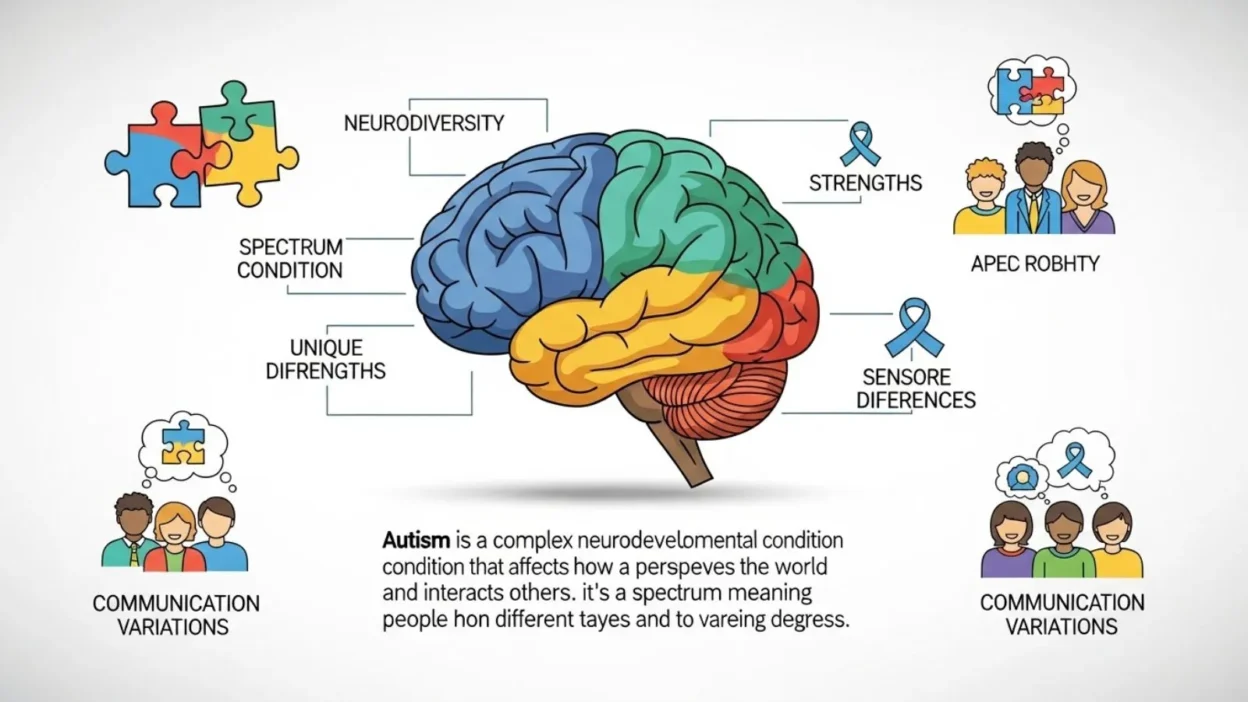
Autism, also known as Autism Spectrum Disorder (ASD), is a neurodevelopmental condition that affects how a person communicates, interacts socially, and experiences the world around them.
It is called a “spectrum” because it affects individuals differently some may have difficulty with social interactions, while others may have intense focus on specific interests or heightened sensory awareness.
Understanding autism is essential, not only for parents and caregivers but also for educators, friends, and society as a whole. Learning about the signs, traits, and strengths of autistic individuals helps reduce misconceptions, promotes empathy, and encourages inclusion.
This article will explain autism in detail, covering its meaning, spectrum, daily life impact, and how to support those living with it.
What Does Autism Mean Quick Answer
Autism, formally known as Autism Spectrum Disorder (ASD), is a neurodevelopmental condition that influences how a person thinks, communicates, and interacts with others. When people ask “what does autism mean,” they are seeking a clear understanding of how it affects daily life and behavior. Autism is called a spectrum because it presents differently in each individual. Some people may have strong verbal communication skills but struggle with social interactions, while others may be non-verbal but excel in specific areas like music, math, or art.
Common traits of autism include challenges in social communication, repetitive behaviors, intense focus on particular interests, and sensory sensitivities such as being highly sensitive to lights, sounds, or textures. These traits are not “flaws” but part of the neurological differences that make autistic individuals unique.
It is important to note that autism is not a disease or something that needs to be “cured.” Instead, it is a natural variation in human neurodevelopment. Understanding the meaning of autism helps reduce stigma, encourages empathy, and highlights the importance of support and inclusion.
By learning what autism truly means, we can better recognize the strengths and challenges of autistic individuals, respect their differences, and create environments that allow them to thrive in school, work, and social settings.
The Origin and History of Autism
The term autism has an interesting history that helps us understand how perceptions of the condition have evolved. The word “autism” comes from the Greek word “autos,” meaning “self.” It was first used in the early 20th century to describe a state of self-isolation observed in some children.
In 1943, Dr. Leo Kanner, an Austrian-American psychiatrist, published a study describing 11 children who showed difficulties with social interaction, communication, and flexibility in behavior. He referred to this condition as “early infantile autism.” Around the same time, in Europe, Hans Asperger described a similar pattern of behaviors in children who had strong intellectual abilities but struggled socially. This later became known as Asperger’s Syndrome, which today is recognized under the broader Autism Spectrum Disorder.
Initially, autism was misunderstood and often confused with childhood schizophrenia or other psychiatric conditions. Over the decades, research, clinical observations, and advocacy by autistic individuals and families have clarified that autism is a neurodevelopmental condition—meaning it affects how the brain develops and processes information, rather than being a mental illness.
Understanding the history of autism is crucial because it shows how far medical and public knowledge has come. Today, autism is recognized as a lifelong spectrum condition, emphasizing neurodiversity—the idea that neurological differences, including autism, are natural variations of human experience rather than disorders to be “fixed.”
Signs and Symptoms of Autism
Autism can present itself in many different ways, which is why it is called a spectrum disorder. The signs and symptoms often appear in early childhood but can be recognized at any age. Understanding these traits helps parents, caregivers, and educators identify autism and provide the right support.
Early signs in children may include delayed speech or language development, limited eye contact, difficulty understanding social cues, or a preference for routines and repetitive behaviors. Some children may show intense interest in specific objects or topics, such as trains, numbers, or animals. Sensory sensitivities, like being overwhelmed by loud noises or certain textures, are also common.
Traits in teenagers and adults can be more subtle. Many autistic individuals may struggle with interpreting social cues, maintaining conversations, or managing emotions in social situations. They may develop coping strategies, sometimes called masking, to fit in socially, which can be exhausting. Adults may also demonstrate highly focused interests, attention to detail, and exceptional skills in areas such as math, art, or technology.
Variability among individuals is a key characteristic of autism. No two autistic people are the same—some require significant support in daily life, while others live independently and thrive professionally. This diversity is why autism is described as a spectrum rather than a single condition.
Recognizing the signs and symptoms of autism early is essential for intervention, support, and understanding. Awareness helps reduce misconceptions and ensures that autistic individuals receive empathy, respect, and opportunities to use their unique strengths.
Understanding the Autism Spectrum
Autism is called a spectrum because it affects each individual differently, with a wide range of strengths, challenges, and needs. When people search “what does autism mean,” it’s important to understand this spectrum concept, as it helps explain why no two autistic individuals are exactly alike.
The spectrum ranges from individuals who require significant support in daily life to those who are highly independent and excel in specialized skills. Some people may struggle with communication or social interactions, while others may have advanced abilities in areas like memory, mathematics, art, or technology. This diversity demonstrates that autism is not a one-size-fits-all condition.
The concept of neurodiversity is closely linked to the spectrum. Neurodiversity recognizes that variations in brain development, including autism, are natural differences rather than deficits or disorders to be “fixed.” Emphasizing neurodiversity helps society value autistic individuals for their unique perspectives and abilities, rather than focusing solely on challenges.
Understanding the autism spectrum also highlights the importance of personalized support. Early intervention programs, speech therapy, occupational therapy, and social skills training can make a significant difference in helping autistic individuals navigate daily life and achieve their goals.
By appreciating the spectrum, we can move away from stereotypes and misconceptions, foster empathy, and create inclusive environments. Recognizing the full range of abilities and challenges allows autistic individuals to thrive in education, work, relationships, and community life.
Common Misconceptions About Autism
Despite growing awareness, autism is still widely misunderstood. Clearing up common misconceptions is important for empathy, acceptance, and support.
Myth 1: All autistic people are the same.
Autistic individuals vary widely in abilities, behaviors, and needs. The autism spectrum includes people who are non-verbal, those who communicate well, and those with exceptional talents in areas such as music, math, or technology. Each person’s experience is unique.
Myth 2: Autism is a disease that needs to be cured.
Autism is a neurodevelopmental condition, not an illness. It is not something to be “fixed” but a natural variation in brain function. Support, therapy, and understanding help autistic individuals thrive, rather than attempting to eliminate their traits.
Myth 3: Autistic people lack emotions or empathy.
Many believe autistic individuals cannot feel or understand emotions. In reality, they often experience deep emotions but may express them differently. Social communication challenges do not mean a lack of empathy.
Myth 4: Autism is caused by bad parenting or vaccines.
Scientific research confirms autism has neurological and genetic roots. Parenting style or vaccines do not cause autism.
Addressing these misconceptions is crucial for creating an inclusive environment. Misunderstanding autism can lead to stigma, isolation, and missed opportunities for support. Educating ourselves about the realities of autism fosters respect and empathy, helping autistic individuals participate fully in family, school, and community life.
🧠 What Does Autism Mean
Many people search different variations of the same question, such as “what autism mean” or “what does autism mean?” Let’s break these down clearly in simple words.
What Does Autism Mean?
Autism means a neurodevelopmental difference that affects how a person communicates, behaves, and interacts with others. It is called a spectrum because every autistic person has unique strengths and challenges.
What Do Autism Mean?
This phrase is simply another way of asking the same question. Autism refers to a range of conditions that influence social communication, behavior, and sensory experiences.
What Does Having Autism Mean?
Having autism means your brain processes information differently. You may:
- Communicate in unique ways
- Prefer routines
- Have strong interests or skills
- Experience sensory sensitivity
It is not a weakness—it’s a different way of experiencing the world.
🔊 Understanding Nonverbal Autism
What Does Nonverbal Autism Mean?
Nonverbal autism refers to individuals who do not use spoken language or have very limited speech. However, this does NOT mean they cannot communicate.
Many nonverbal autistic people use:
- Gestures
- Sign language
- Communication devices
- Visual tools
👉 Important: Lack of speech does NOT equal lack of intelligence.
📊 What Do the Levels of Autism Mean?
Autism is often classified into three levels based on the level of support a person needs.
What Do the Levels of Autism Mean?
- Level 1 (Mild) → Needs some support
- Level 2 (Moderate) → Needs substantial support
- Level 3 (Severe) → Needs very substantial support
How Autism Affects Daily Life
Autism influences many aspects of daily life, from communication and social interaction to routines and sensory experiences. Understanding these effects helps families, educators, and communities provide the right support for autistic individuals.
Education:
Children with autism may learn differently, requiring accommodations in school. Some may need individualized learning plans, extra time on tasks, or sensory-friendly environments. Despite challenges, autistic students often excel in subjects that align with their interests and strengths, such as math, art, or technology.
Work:
Adults with autism may face unique challenges in the workplace, including difficulty with social interactions or adapting to sudden changes. However, they often demonstrate exceptional focus, attention to detail, and dedication. Employers who understand and accommodate these strengths can help autistic employees thrive professionally.
Relationships:
Social communication differences can make forming friendships or romantic relationships challenging. Autistic individuals may prefer structured social interactions or smaller, familiar groups. Patience, understanding, and clear communication from family, friends, and partners are crucial for building meaningful connections.
Sensory experiences:
Many autistic people experience heightened sensitivity to sounds, lights, textures, or smells. Everyday environments—like crowded classrooms, busy streets, or noisy workplaces—can feel overwhelming. Recognizing and accommodating sensory needs, such as providing quiet spaces or minimizing overstimulation, greatly improves quality of life.
Supporting People With Autism
Early intervention:
Is one of the most important ways to support children with autism. Therapies such as speech and language therapy, occupational therapy, and behavioral interventions can improve communication, social skills, and daily functioning. Identifying autism early allows families and educators to provide targeted assistance, boosting confidence and independence.
Communication strategies:
Are also vital. Many autistic individuals may find verbal instructions confusing or struggle with social cues. Using clear, simple language, visual aids, social stories, and consistent routines can help reduce frustration and improve understanding. Allowing extra time for responses and respecting nonverbal communication is equally important.
Promoting inclusion:
In schools, workplaces, and communities fosters a sense of belonging. Encouraging autistic individuals to participate in activities, respecting sensory sensitivities, and valuing their unique perspectives strengthens self-esteem and social connections.
Supporting adults with autism:
Includes providing accommodations at work, fostering social networks, and offering resources for independent living. Peer support groups, mentorship programs, and community awareness initiatives can make a significant difference in quality of life.
Autism in Adults
Late diagnosis:
Is common. Many adults may have learned to mask their autistic traits, developing strategies to blend in socially while experiencing stress or exhaustion internally. Masking can make diagnosis difficult, as their behaviors may appear “typical” to others, but the effort often leads to anxiety, depression, or burnout.
Social coping strategies:
Are key for autistic adults. Structured routines, planning social interactions in advance, and using technology or visual aids to organize tasks can reduce stress. Some adults may prefer smaller social circles or online communities that provide understanding and support. Recognizing sensory sensitivities and avoiding overwhelming environments also improves daily life.
Strengths and opportunities:
In adulthood should not be overlooked. Many autistic adults excel in fields that benefit from attention to detail, focus, or specialized knowledge. Employers who understand and accommodate neurodiverse needs can help autistic individuals thrive professionally.
Support systems:
Are crucial. Therapy, support groups, mentorship programs, and community resources can provide guidance and connection. Families, friends, and colleagues who show patience, empathy, and understanding make a significant difference in quality of life.
Real Life Scenarios and Examples
Understanding autism becomes easier when we look at real-life examples of how it affects daily life. Autistic individuals experience the world differently, and small changes in environment or routine can have a big impact.
Example 1: Sensory Overload
A child at school may cover their ears during a noisy fire drill or struggle in a bright, crowded classroom. Sensory sensitivities like these can cause stress and anxiety, making simple activities overwhelming. Providing quiet spaces or noise-cancelling headphones can help them participate comfortably.
Example 2: Routine and Predictability
Many autistic individuals rely on routines to feel secure. A teenager may become upset if a familiar schedule changes suddenly, such as a canceled class or altered meal time. Predictable routines and advanced notice of changes reduce anxiety and help maintain focus.
Example 3: Focused Interests and Strengths
An adult with autism might have an intense interest in coding, art, or history. While this focus may seem unusual, it often leads to remarkable skills and achievements. Encouraging these interests supports personal growth and confidence.
Example 4: Social Interaction
Autistic individuals may struggle with social cues, making friendships or group activities challenging. A coworker might misinterpret a colleague’s blunt communication style, but understanding their perspective fosters better teamwork.
FAQs:
1. Is autism hereditary?
Research shows that genetics play a significant role in autism. Having a family member with autism increases the likelihood, but environmental factors may also contribute.
2. Can autistic people live independently?
Yes, many autistic adults live independently, especially with support in daily skills, work, and social situations. The level of independence depends on individual strengths and needs.
3. What is the difference between autism and ADHD?
Autism primarily affects social communication, behavior, and sensory processing, while ADHD mainly affects attention, hyperactivity, and impulsivity. Some individuals may have both conditions.
4. How can I explain autism to children?
Use simple language and relatable examples. Explain that everyone’s brain works differently, and some friends may communicate or play in unique ways. Emphasize empathy, respect, and inclusion.
5. What are the early signs of autism in children?
Early signs can include delayed speech, limited eye contact, repetitive behaviors, strong preferences for routines, and unusual responses to sensory stimuli like sound or texture.
6. How can I support someone with autism?
Support includes patience, understanding, clear communication, respecting routines, providing sensory accommodations, and encouraging their strengths and interests.
Conclusion:
Autism is a lifelong condition that affects how individuals perceive, communicate, and interact with the world.
Understanding what autism means helps break down misconceptions, fosters empathy, and encourages inclusion in families, schools, workplaces, and communities.
While the spectrum of autism is wide, each autistic individual has unique strengths, challenges, and ways of experiencing life.
Recognizing sensory sensitivities, valuing routines, and appreciating focused interests can make daily life more manageable and rewarding.
Support, patience, and practical accommodations are essential for helping autistic individuals thrive. Early intervention, clear communication, inclusive environments, and respect for neurodiversity can make a significant difference in quality of life.
By learning about autism, we not only help autistic individuals reach their full potential but also enrich society with diverse perspectives, skills, and talents. Awareness, acceptance, and understanding are the keys to a more inclusive and compassionate world.
Discover More Articles
Demystifying 6 Figures: Salary and Wealth Explained (2026)
What Does JS Mean? Full Definition and Modern Uses Explained (2026)
What Does Serenity Mean in Text? Complete Guide (2026)

I’m the author of Jokesattack.com, where humor meets creativity! Bringing you nonstop laughter with the best jokes, memes, and funny moments every day.