
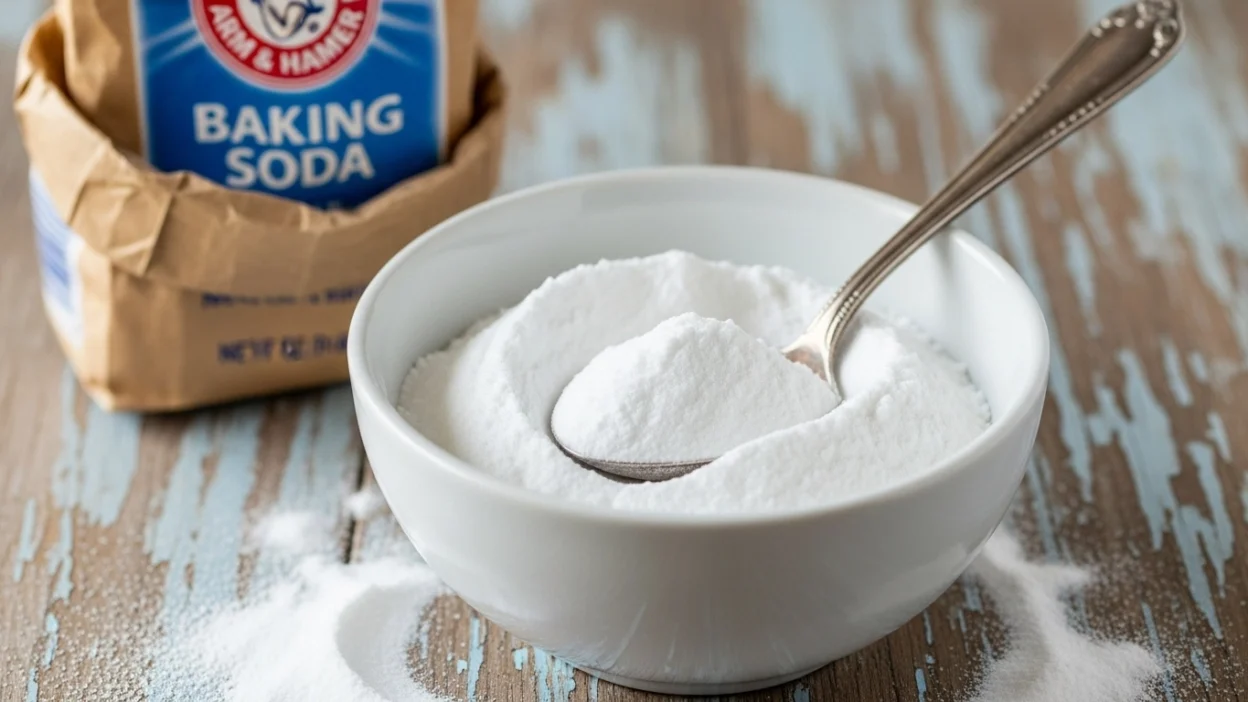
Baking soda is one of the most versatile and widely used substances found in homes around the world. Many people know it as a common ingredient in baking, but its uses go far beyond the kitchen.
From cleaning stubborn stains to freshening up your home, soothing minor skin irritations, and even aiding digestion, baking soda has earned its reputation as a household essential.
Despite its widespread use, many people still wonder, What does baking soda do exactly? This article will answer that question in detail, exploring its chemical properties, practical applications, health benefits, and surprising uses you might not know about.
If you’re a home cook, a DIY enthusiast, or someone interested in natural remedies, understanding how baking soda works can help you make the most of this affordable and safe substance in everyday life.
Quick Answer What Does Baking Soda Do?
Baking soda, also known as sodium bicarbonate, is a simple chemical compound that serves multiple purposes in everyday life. At its core, baking soda acts as a leavening agent in baking, helping dough and batter rise by producing carbon dioxide when it reacts with acidic ingredients like lemon juice, yogurt, or vinegar. This reaction creates light and fluffy cakes, cookies, and bread, making it an essential ingredient for bakers.
Beyond the kitchen, baking soda is widely recognized for its cleaning and deodorizing abilities. Its mildly alkaline nature allows it to neutralize acids, break down grease, and remove stubborn stains from surfaces, clothes, and carpets. It’s also a natural deodorizer, capable of eliminating odors from refrigerators, shoes, and trash bins.
In terms of health and personal care, baking soda is gentle yet effective. It can soothe heartburn, relieve minor skin irritations, and whiten teeth naturally. Some people even use it in homemade skincare treatments, like exfoliating scrubs or soothing baths.
Additionally, baking soda has practical gardening and outdoor uses, such as controlling pests or adjusting soil pH for plants. Its versatility makes it a household staple, and understanding its many functions can help you use it safely and creatively in daily life.
The Science Behind Baking Soda
Baking soda, chemically known as sodium bicarbonate (NaHCO₃), is a naturally occurring compound with a unique combination of properties that make it useful in a variety of applications. At its core, baking soda is a mild alkaline substance, meaning it can neutralize acids. This property explains why it works so well in baking, cleaning, and even some health remedies.
In baking, sodium bicarbonate reacts with acidic ingredients like lemon juice, vinegar, or yogurt to produce carbon dioxide gas. This tiny gas forms bubbles in dough or batter, causing it to rise and resulting in light, fluffy baked goods. Without this chemical reaction, many recipes would turn out dense and flat.
When it comes to cleaning, baking soda’s mild alkalinity helps it break down grease, grime, and dirt. It also neutralizes odors by balancing pH levels, which is why it’s effective in deodorizing refrigerators, carpets, and shoes.
For personal care and health, the chemical properties of baking soda allow it to act as a gentle abrasive for teeth whitening, a soothing agent for skin irritations, and an antacid for heartburn relief.
Its versatility stems from simple chemistry: a non-toxic, affordable compound that interacts safely with both acidic and basic substances. Understanding these chemical reactions helps explain why baking soda is more than just a baking ingredient—it’s a multi-purpose tool for the home, health, and even gardening.
Uses of Baking Soda in Baking
Baking soda is a key ingredient in many baked goods, and its role goes far beyond just being a powder in the pantry. When combined with acidic ingredients like yogurt, buttermilk, lemon juice, or vinegar, baking soda reacts to produce carbon dioxide bubbles. These bubbles get trapped in the batter or dough, causing it to rise and giving cakes, muffins, cookies, and bread a soft, airy texture. Without baking soda, many recipes would turn out dense and flat.
One of the main advantages of baking soda in baking is that it helps neutralize acidity, balancing flavors in recipes that include tangy ingredients. For instance, chocolate-based recipes or sour cream cakes often rely on baking soda to create the perfect taste and texture.
Using the right amount is crucial. Too little baking soda may result in baked goods that don’t rise properly, while too much can leave a bitter or soapy taste. It’s also important to mix it evenly into dry ingredients before combining with wet ones to ensure consistent results.
Baking soda can also be combined with baking powder in recipes for additional leavening power, especially in recipes that contain less acidic components. Beyond traditional recipes, it’s used in creative baking hacks, like making fluffy pancakes, soft pretzels, or even quick flatbreads.
By understanding its role in the chemical reactions of baking, you can use baking soda more effectively to achieve perfectly textured and flavorful baked goods every time.
Household Cleaning Uses of Baking Soda
Baking soda is not only a kitchen staple but also a powerful natural cleaning agent that can tackle a wide range of household tasks. Its mildly alkaline nature allows it to break down grease, grime, and dirt, making it effective on surfaces without the harsh chemicals found in many cleaners.
One of the most common uses is deodorizing. Sprinkling baking soda in the refrigerator, trash cans, carpets, or shoes can neutralize unpleasant odors naturally. It reacts with acidic odor-causing molecules, leaving spaces smelling fresh and clean.
Baking soda is also excellent for stain removal. It can lift stains from sinks, countertops, tiles, and even clothing. For stubborn stains, mixing baking soda with a small amount of water to form a paste allows for gentle scrubbing without scratching surfaces.
It can also be used to unclog drains when combined with vinegar. The fizzing reaction helps loosen blockages and freshen drains without using toxic chemicals.
Other cleaning hacks include removing mold and mildew, shining stainless steel, and polishing silverware. Even delicate surfaces, like cutting boards or oven racks, benefit from its gentle yet effective cleaning power.
Because it is non-toxic and safe for pets and children, baking soda is a preferred choice for households looking to reduce chemical cleaners. Its versatility, low cost, and eco-friendly nature make it a must-have for anyone wanting a clean, odor-free, and safe living space.
Health and Personal Care Uses of Baking Soda
Baking soda isn’t just for cooking and cleaning—it also offers several health and personal care benefits. Its gentle, non-toxic nature makes it a safe and versatile option for many everyday remedies.
One of the most common uses is oral care. Baking soda can be used as a natural toothpaste or mixed with water for a mouth rinse. Its mild abrasive properties help remove surface stains from teeth, while its alkalinity neutralizes acids in the mouth, reducing the risk of cavities and bad breath.
In skincare, baking soda can soothe minor irritations such as insect bites, sunburn, or mild rashes. Mixing a small amount with water to form a paste creates a cooling, calming effect on the skin. It’s also used as a gentle exfoliant to remove dead skin cells, leaving skin soft and refreshed.
Baking soda can provide digestive relief, too. When dissolved in water, it acts as an antacid to relieve occasional heartburn or acid indigestion. However, it should be used in moderation to avoid potential side effects.
It’s also popular in personal hygiene applications. For example, it can serve as a natural deodorant, foot soak, or bath additive, helping to neutralize odors and soothe tired muscles.
While baking soda is generally safe for these uses, it’s important to follow recommended amounts and avoid overuse, especially when ingesting it. By incorporating baking soda into your health and personal care routine, you can enjoy natural, affordable, and effective solutions for everyday wellness.
Gardening and Outdoor Uses of Baking Soda
Baking soda isn’t just useful indoors—it also has several practical applications in gardening and outdoor care. Its chemical properties make it a natural, safe, and eco-friendly solution for many tasks around your garden.
One popular use is pest control. Baking soda can help deter insects like ants, cockroaches, and even some garden pests. Sprinkling it around plant bases or mixing it with water for a spray can reduce pest activity without using harsh chemicals that may harm plants or soil.
It’s also effective for fungus prevention. A mild baking soda solution sprayed on leaves can help prevent fungal growth on plants like tomatoes, cucumbers, and roses. This simple technique is widely used by gardeners looking for natural alternatives to chemical fungicides.
Baking soda can also help with soil management. By slightly adjusting soil pH, it can create a more favorable environment for certain plants, especially those that thrive in less acidic conditions. This is particularly useful for flowers, vegetables, or herbs that are sensitive to soil acidity.
Beyond plant care, baking soda is excellent for cleaning outdoor areas and tools. It can remove grime from garden tools, freshen compost bins, and even neutralize odors from outdoor trash cans or patios.
Overall, baking soda is a versatile and safe tool for gardening, combining pest control, plant care, and cleaning in one affordable and eco-friendly solution. It’s a must-have for gardeners looking to maintain healthy plants naturally.
Creative and Surprising Uses of Baking Soda
Baking soda is not only practical but also surprisingly versatile, with many creative uses around the home that go beyond baking, cleaning, and health. Its gentle, non-toxic properties make it ideal for DIY solutions that are safe, affordable, and effective.
In the laundry, baking soda works as a booster to brighten whites, remove odors, and soften fabrics. Adding half a cup to your wash can enhance detergent performance and leave clothes smelling fresh.
For removing stubborn residues, baking soda is excellent for tackling crayon marks, grease, or sticky labels. Simply make a paste with water and gently scrub affected areas to restore surfaces without harsh chemicals.
It’s also a natural air freshener. Placing an open box in the fridge, sprinkling it in trash cans, or using it in a DIY spray can neutralize odors in any room. Similarly, sprinkling it on pillows, mattresses, or carpets and then vacuuming helps maintain freshness.
In DIY beauty and self-care, baking soda can be added to homemade face masks, scrubs, or foot soaks. Its mild exfoliating properties remove dead skin cells, while its deodorizing effect can keep feet and underarms fresh.
Even pets benefit from its versatility. Baking soda can help control odors in litter boxes or gently clean pet beds without chemicals.
From laundry to pet care, air freshening, and DIY beauty, baking soda proves that a simple household ingredient can have countless innovative and surprising uses, making it one of the most indispensable items in any home.
How to Store Baking Soda Properly
Proper storage of baking soda is essential to maintain its effectiveness for baking, cleaning, and other household uses. While it is a stable and non-toxic substance, exposure to moisture, air, and strong odors can reduce its potency over time.
For baking purposes, it’s important to store baking soda in an airtight container. Original packaging is convenient, but transferring it to a sealed jar or plastic container can help protect it from humidity in the kitchen. Moisture can cause clumping and decrease its ability to react with acids, which may affect the rise and texture of baked goods.
When using baking soda for cleaning or deodorizing, storage is equally important. Keep it away from strong-smelling substances, as it can easily absorb odors from nearby foods or chemicals, which may affect its neutralizing power. Label containers clearly to avoid accidental use of expired or contaminated baking soda.
Baking soda has a long shelf life, typically 2–3 years if stored properly. To check if it is still active for baking, mix a small amount with vinegar or lemon juice—if it fizzes vigorously, it’s still good.
For cleaning purposes, slightly expired baking soda can still be useful, even if it’s no longer effective for baking. By storing it in a cool, dry place and keeping it sealed, you can maximize its versatility and ensure that it remains a reliable household staple.
Safety Precautions and Potential Risks of Baking Soda
While baking soda is generally considered safe and non-toxic, it is important to use it correctly to avoid potential risks, especially when ingested or applied to the skin. Understanding these precautions ensures that you can enjoy its benefits safely.
For internal use, baking soda acts as an antacid to relieve heartburn or indigestion. However, consuming large amounts can lead to high sodium levels, which may be dangerous for people with heart disease, high blood pressure, or kidney issues. It’s recommended to follow dosage guidelines carefully and avoid frequent internal use without consulting a healthcare professional.
When used on the skin, baking soda is typically safe in small amounts, such as in scrubs or soothing pastes. Excessive use, however, can cause irritation, dryness, or rashes, especially for those with sensitive skin. Always test a small patch first if you are using it topically.
Baking soda should also be kept away from strong acids or chemicals when used for cleaning. While it is safe to mix with vinegar, combining it with other chemical cleaners can cause unwanted reactions or toxic fumes.
For households with children or pets, ensure baking soda is stored securely to prevent accidental ingestion. While it is less harmful than many chemical cleaners, consuming large quantities can still cause discomfort or health issues.
By following these simple safety measures, baking soda can be used effectively for baking, cleaning, health, and personal care. Awareness of its potential risks ensures that this versatile household staple remains both useful and safe.
FAQs
1. Can baking soda replace baking powder?
Baking soda can be used as a leavening agent, but it requires an acidic ingredient to activate. Baking powder already contains an acid, so substituting directly may not produce the same results unless adjustments are made in the recipe.
2. Is it safe to consume baking soda every day?
Small amounts occasionally, like in antacid solutions, are generally safe. However, excessive or daily use can increase sodium intake and may cause digestive or kidney issues. Always follow recommended doses.
3. Can baking soda clean everything in the house?
Baking soda is effective for many cleaning tasks, including deodorizing, stain removal, and mild scrubbing. However, it may not be suitable for all surfaces, such as aluminum cookware or delicate fabrics, so test in small areas first.
4. How long does baking soda last?
Baking soda generally lasts 2–3 years if stored in a cool, dry, airtight container. Even if slightly expired, it can still be used for cleaning and deodorizing.
5. Can pets safely use baking soda?
Yes, it’s safe for pets when used externally, like deodorizing beds or cleaning litter boxes. Avoid ingestion in large amounts, as it may cause stomach upset.
Conclusion:
Baking soda is truly one of the most versatile and indispensable household items. From its primary role in baking to its surprising uses in cleaning, personal care, health, and even gardening, it proves that a simple, affordable compound can serve countless purposes.
Its chemical properties, such as neutralizing acids and producing carbon dioxide, make it effective for baking, deodorizing, stain removal, and soothing minor skin irritations.
By understanding the proper ways to use and store baking soda, and by following safety precautions, you can harness its full potential without risk.
If you’re experimenting with DIY beauty treatments, tackling tough household stains, or boosting your garden’s health, baking soda offers a natural, non-toxic, and cost-effective solution.
Incorporating it into your daily routine can simplify chores, enhance wellness, and reduce reliance on harsh chemicals—making it a must-have for every home.
Discover More Articles
- What Does Vitamin A Do for Your Immune System in 2026
- What Does Condescending Mean and Examples in Action 2026
- What Does Aperol Taste Like? A Complete Guide for 2026

I’m the mind behind Jokesattack.com, your go-to place for daily laughs, clever puns, and hilarious memes. Spreading smiles one joke at a time!