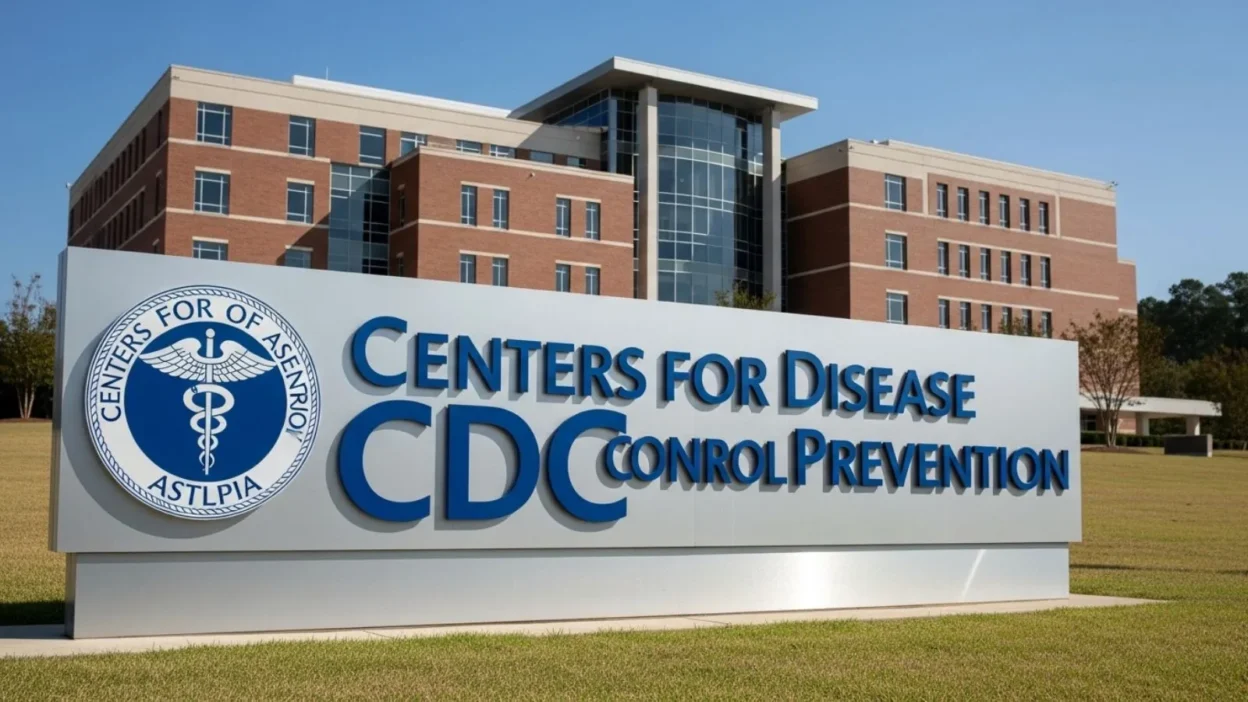
The term CDC is one you’ve likely heard in news headlines, health advisories, or during global health crises, but have you ever wondered what CDC stands for? CDC is a crucial organization in the world of public health, playing a key role in monitoring diseases, guiding health policies, and providing essential safety information.
Its full form, Centers for Disease Control and Prevention, reflects its mission to control diseases while preventing outbreaks before they become widespread.
Understanding CDC is more than just knowing an abbreviation it’s about recognizing its impact on everyday life, from vaccination programs and travel advisories to emergency preparedness and health education.
If you’re a student, a professional, or simply someone keen on staying informed, learning about CDC helps you grasp how public health decisions are made and why following its guidelines is vital for community safety and global well-being.
CDC Full Form and Meaning
The abbreviation CDC stands for Centers for Disease Control and Prevention. This full form gives a clear picture of what the organization does and why it is important. Let’s break it down:
- Centers – The term “Centers” highlights that CDC is not a single office but a network of facilities and divisions working together across the United States and globally. Each center focuses on different aspects of public health, such as infectious diseases, chronic illnesses, and emergency preparedness.
- Disease Control – This part emphasizes the CDC’s primary role: controlling the spread of diseases. The organization monitors outbreaks, conducts research, and issues guidelines to prevent the escalation of illnesses, whether they are common like the flu or more severe, such as COVID-19 or Ebola.
- Prevention – Beyond controlling diseases, CDC places strong emphasis on preventing health issues before they arise. This includes promoting vaccination programs, educating communities on hygiene practices, and advising on safe travel. Prevention ensures that public health risks are minimized, protecting millions of lives every year.
Understanding the CDC meaning is crucial because it explains the purpose and authority of the organization. It is more than just an acronym—it represents a global standard in public health, research, and safety. Knowing what CDC stands for also helps individuals recognize the credibility of the guidelines, recommendations, and alerts issued by this vital institution.
History of the CDC
The Centers for Disease Control and Prevention (CDC) has a rich history that dates back to 1946, when it was first established in the United States. Originally called the Communicable Disease Center, its primary mission was to combat malaria, which was a major public health concern at the time. The organization began in Atlanta, Georgia, and consisted of only a small group of public health workers dedicated to controlling the spread of diseases.
Over the decades, the CDC’s role expanded far beyond malaria control. In the 1960s, the CDC became involved in smallpox eradication campaigns and launched national immunization programs. The 1980s marked another significant milestone, as the CDC played a leading role in researching and responding to the HIV/AIDS epidemic, helping to shape treatment guidelines and awareness programs.
In the 2000s, the CDC focused on bioterrorism preparedness and emergency response, especially following events like the anthrax attacks in 2001. More recently, during the COVID-19 pandemic, the CDC gained global attention for issuing critical public health guidance, tracking infections, and coordinating vaccination campaigns.
Today, the CDC is recognized as one of the world’s leading public health organizations, influencing health policies not only in the United States but also globally. Its history reflects decades of commitment to disease control, prevention, research, and public safety, establishing it as a trusted authority in protecting communities from health threats.
Roles and Functions of the CDC
The Centers for Disease Control and Prevention (CDC) plays a critical role in protecting public health both in the United States and worldwide. Its responsibilities go far beyond monitoring diseases—they include research, prevention, education, and emergency response. Understanding the roles and functions of CDC helps explain why it is such a trusted authority in health matters.
One of the CDC’s main functions is disease surveillance and outbreak control. The organization monitors the spread of infectious diseases, identifies potential public health threats, and implements strategies to contain them. This includes illnesses like influenza, COVID-19, Ebola, and other emerging infections.
Another key role is research and public health studies. The CDC conducts in-depth scientific research to understand disease patterns, risk factors, and effective prevention strategies. This research informs public health policies and medical guidelines that protect millions of people.
The CDC is also heavily involved in immunization programs, offering vaccination recommendations for children, adults, and travelers. These programs are essential for preventing widespread outbreaks of vaccine-preventable diseases.
In addition, the CDC focuses on health education and awareness. It provides guidelines, educational materials, and online resources to help individuals, communities, and healthcare providers make informed decisions about health and safety.
Lastly, the CDC leads in emergency preparedness and response, coordinating efforts during natural disasters, epidemics, or bioterrorism threats. Its rapid response teams ensure that communities receive timely guidance and support during crises.
CDC’s Impact on Everyday Life
The Centers for Disease Control and Prevention (CDC) influences our daily lives in ways that many people may not even realize. While it is best known for responding to major outbreaks, its guidance and programs touch routine health practices, travel, and even workplace safety.
One of the most visible ways the CDC impacts everyday life is through health guidelines and recommendations. From advising on proper handwashing and hygiene practices to providing tips on food safety, the CDC helps prevent the spread of common illnesses like the flu, foodborne infections, and seasonal colds. Following these guidelines can significantly reduce the risk of falling ill.
The CDC also plays a vital role in vaccination programs, which protect communities from diseases such as measles, polio, and COVID-19. These programs ensure that both children and adults remain healthy and that outbreaks are kept under control.
Travel advisories and safety recommendations are another area where the CDC has a direct impact. Before traveling internationally, many people consult CDC guidelines for vaccinations, disease risks, and preventive measures to stay safe abroad.
Moreover, the CDC contributes to workplace and school safety. Recommendations on managing illnesses, preventing outbreaks, and creating safe environments are widely adopted by institutions, businesses, and schools to protect employees, students, and the public.
By providing reliable information, guidance, and preventive strategies, the CDC helps individuals make informed decisions, maintain their health, and protect their communities. Its influence reaches far beyond emergency situations, shaping the everyday habits and safety practices of millions of people.
Common Misconceptions About CDC
Despite being a well-known public health authority, the Centers for Disease Control and Prevention (CDC) is often misunderstood. Clarifying common misconceptions helps people better appreciate its role and trust its guidance.
One common misconception is that the CDC only deals with epidemics or pandemics. While it is true that the organization responds to outbreaks, its work extends far beyond emergency situations. The CDC is deeply involved in everyday disease prevention, research, immunization programs, and health education. It provides guidelines for food safety, chronic disease management, and environmental health, all of which affect daily life.
Another misunderstanding is that the CDC is only a U.S.-based organization. Although headquartered in Atlanta, Georgia, the CDC collaborates extensively with international health agencies, such as the World Health Organization (WHO), to monitor global disease threats and support health initiatives worldwide.
Some people also assume that CDC guidance is optional or not evidence-based. In reality, the CDC relies on rigorous scientific research and data analysis to develop its recommendations. Its guidelines are created by experts in epidemiology, infectious diseases, and public health, ensuring reliability and accuracy.
Lastly, many think the CDC is only for healthcare professionals. In fact, the organization provides resources and information for the general public, schools, businesses, and governments to make informed health decisions.
Understanding these misconceptions allows people to recognize the CDC as a comprehensive public health authority, not just a reactive agency. This awareness helps individuals and communities follow its guidelines confidently and improve overall health outcomes.
Other Meanings of CDC Abbreviation
While CDC is widely recognized as the Centers for Disease Control and Prevention, it can also represent other organizations or concepts depending on the context. Understanding these alternative meanings helps avoid confusion when encountering the abbreviation in different fields.
One common alternative is Career Development Center. Many universities and colleges use the term CDC to refer to departments that provide career guidance, internship placements, job search resources, and professional development workshops for students. In this context, CDC is focused on personal and professional growth rather than public health.
Another meaning is Control Data Corporation, a technology company that was prominent in the 1960s and 1970s. It specialized in computer systems and data processing solutions. Though not related to public health, this CDC played an important role in the evolution of computing technology.
Child Development Center is yet another interpretation. These CDCs are educational facilities or programs aimed at fostering early childhood development, providing care, and supporting learning for young children. This meaning is particularly common in schools, daycare centers, and military installations.
Because CDC is an abbreviation, the meaning must always be understood in the proper context. For example, reading CDC in a health news article clearly points to the Centers for Disease Control and Prevention, while in a university brochure, it likely refers to a Career Development Center.
Being aware of these alternative meanings ensures that readers interpret information accurately and reduces the risk of misunderstanding critical details. Context is always key when encountering the abbreviation CDC outside public health discussions.
Importance of Knowing CDC
Understanding what CDC stands for and its role in public health is more than just knowing an acronym—it has real-life importance for individuals and communities. The CDC, or Centers for Disease Control and Prevention, provides guidance that helps prevent the spread of diseases, informs public health policies, and promotes overall safety.
One key reason it is important to know about the CDC is its role in disease prevention. By following CDC guidelines, people can protect themselves and others from infections, such as seasonal flu, COVID-19, and other contagious illnesses. Awareness of vaccination schedules, hygiene practices, and travel advisories can significantly reduce health risks.
Another reason is public trust and safety. When people understand the CDC’s mission and functions, they are more likely to follow its recommendations. This is crucial during health emergencies, like epidemics or pandemics, when following CDC guidelines can save lives and prevent widespread outbreaks.
Knowing about the CDC also helps in making informed decisions. From choosing safe travel destinations to understanding workplace health regulations, CDC guidelines provide reliable, research-based information that individuals and organizations can rely on.
Lastly, awareness of the CDC encourages community responsibility. When everyone understands the role of the CDC, it promotes collective action to prevent disease, maintain public health, and respond effectively to emergencies.
In short, knowing the CDC is essential not only for personal health but also for contributing to safer, healthier communities. Its guidance ensures that individuals are well-informed, prepared, and proactive in protecting public health.
How to Stay Updated With CDC
Staying informed about the Centers for Disease Control and Prevention (CDC) is essential for keeping up with health guidelines, disease outbreaks, and preventive measures. The CDC provides timely and reliable information that helps individuals, communities, and organizations make informed decisions regarding public health.
One of the most direct ways to stay updated is by visiting the official CDC website. The website offers comprehensive resources, including disease updates, vaccination guidelines, travel advisories, health statistics, and research findings. Users can easily navigate sections dedicated to infectious diseases, chronic illnesses, environmental health, and emergency preparedness.
Another effective method is subscribing to CDC alerts and newsletters. By signing up, individuals receive real-time updates on outbreaks, health emergencies, and seasonal health recommendations. This ensures that critical information reaches people as soon as it becomes available.
The CDC also maintains a strong presence on social media platforms such as Twitter, Facebook, and YouTube. These channels share public health tips, updates on ongoing health crises, and educational videos in an easy-to-understand format. Following these accounts allows users to receive quick notifications and guidance from the CDC.
Additionally, healthcare providers, schools, and workplaces often distribute CDC guidance to ensure compliance with the latest recommendations. These institutions play a key role in spreading accurate information to the public.
By regularly consulting official CDC resources, subscribing to alerts, and following trusted channels, individuals can stay informed, protect themselves and their communities, and respond appropriately during public health emergencies. Staying updated ensures safety, awareness, and preparedness in everyday life.
FAQs:
1. What does CDC stand for?
CDC stands for Centers for Disease Control and Prevention. It is a leading public health organization in the United States that focuses on controlling and preventing diseases.
2. When was the CDC established?
The CDC was established in 1946, originally as the Communicable Disease Center, with the primary goal of controlling malaria in the U.S. Over time, it expanded its role to include a wide range of public health initiatives.
3. What is the main function of the CDC?
The CDC’s main functions include disease surveillance, research, immunization programs, health education, and emergency preparedness. It provides guidance to prevent the spread of infectious and chronic diseases.
4. Does the CDC work globally or only in the U.S.?
While the CDC is a U.S. organization, it collaborates with international health agencies like the World Health Organization (WHO) to address global health threats and improve public health worldwide.
5. How can I stay updated with CDC guidelines?
You can stay informed by visiting the official CDC website, subscribing to newsletters, following CDC social media accounts, and consulting healthcare providers or local health authorities.
6. Can CDC also mean other things?
Yes, depending on the context, CDC can also refer to Career Development Center, Control Data Corporation, or Child Development Center. Context is key to understanding its meaning.
7. Why is it important to know about the CDC?
Knowing about the CDC helps you follow reliable health guidelines, make informed decisions, and protect yourself and your community from diseases and public health risks.
Conclusion:
The Centers for Disease Control and Prevention (CDC) plays a vital role in protecting public health and ensuring the safety of communities across the United States and beyond.
Understanding what CDC stands for, its history, functions, and impact allows individuals to appreciate the importance of its work.
From controlling disease outbreaks and conducting research to promoting vaccination programs and providing reliable health guidelines, the CDC influences daily life in significant ways.
Awareness of CDC recommendations empowers people to make informed decisions about their health, follow preventive measures, and contribute to community well-being.
Additionally, knowing the CDC’s mission helps build trust in its guidance during emergencies like pandemics or public health crises.
By staying informed and following CDC updates, individuals can actively participate in maintaining a healthier, safer society for everyone.

I’m the author of Jokesattack.com, where humor meets creativity! Bringing you nonstop laughter with the best jokes, memes, and funny moments every day.