
Contact dermatitis is a common skin condition that causes redness, itching, and irritation after your skin comes into contact with certain substances.
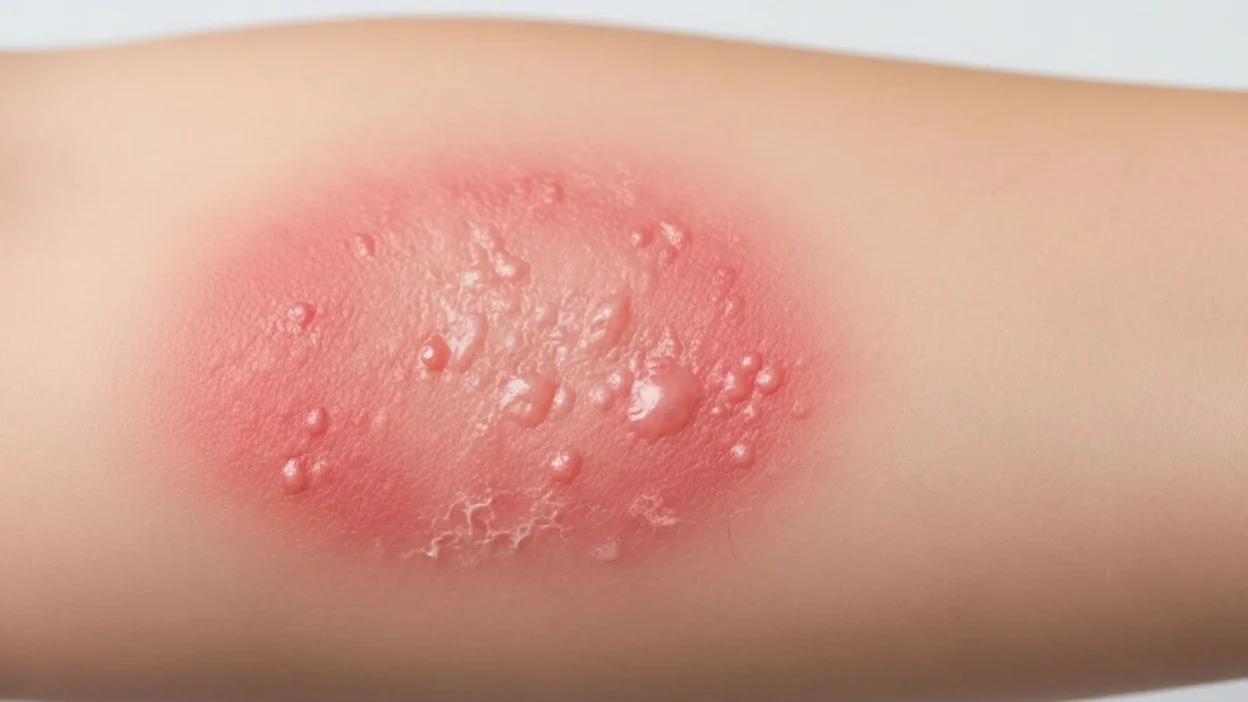
Many people wonder, what does contact dermatitis look like? Recognizing it early can help prevent discomfort and more severe reactions.
The rash may appear as red, itchy patches, small bumps, or even blisters, often in areas that touched the trigger. Triggers can range from everyday items like soaps, cosmetics, and metals to plants such as poison ivy.
Contact dermatitis is generally classified into two types: allergic contact dermatitis, which occurs when the immune system reacts to a substance, and irritant contact dermatitis, caused by direct skin damage.
Knowing the visual signs and symptoms is key for timely treatment, avoiding triggers, and preventing complications. In this article, we’ll explore what contact dermatitis looks like, its types, causes, and practical ways to manage and prevent it effectively.
What Is Contact Dermatitis?
Contact dermatitis is a type of skin inflammation that occurs when your skin comes into direct contact with an irritating substance or allergen. It is a common condition that can affect anyone, regardless of age, and usually appears on areas of the skin that are exposed to the trigger, such as hands, arms, or face. The main feature of contact dermatitis is a visible rash, which may include redness, swelling, small bumps, blisters, or dry, scaly patches. People often describe it as itchy, burning, or sometimes painful.
There are two primary types of contact dermatitis: allergic contact dermatitis and irritant contact dermatitis. Allergic contact dermatitis happens when the immune system overreacts to a substance, such as nickel, fragrances, or certain plants. This reaction may not appear immediately and can take hours or even days to develop. In contrast, irritant contact dermatitis results from direct damage to the skin by harsh chemicals, detergents, or prolonged friction. The reaction usually occurs quickly after exposure and is generally localized to the affected area.
Common triggers include soaps, cleaning products, cosmetics, metals like nickel, latex, and certain plants such as poison ivy or poison oak. Understanding what causes your contact dermatitis is crucial for effective treatment and prevention. By identifying the trigger and observing the visual signs, you can manage symptoms more efficiently and reduce the risk of recurrence.
Early Signs of Contact Dermatitis
Recognizing the early signs of contact dermatitis is essential for prompt treatment and preventing the condition from worsening. In its initial stages, contact dermatitis often appears as red, inflamed patches of skin where the irritant or allergen has made contact. The affected area may feel warm and slightly swollen, and it can be itchy or tingly, making it difficult to resist scratching.
Another common early sign is the formation of small bumps or tiny blisters. These may contain clear fluid and can eventually break, leading to minor oozing or crusting if scratched. The rash may also appear dry, flaky, or scaly, especially if the irritation is caused by repeated exposure to harsh substances like soaps or detergents.
Early contact dermatitis usually remains localized, meaning it is limited to the area that came into contact with the trigger. For example, touching nickel jewelry may cause a rash only on the fingers or wrists, while handling certain cleaning chemicals can affect the hands and forearms. In allergic cases, the reaction may spread slightly beyond the contact area as the immune system responds.
It is important to observe these early symptoms because prompt action—such as rinsing the skin, applying moisturizers, or using over-the-counter creams—can prevent the rash from becoming severe. Identifying the trigger early also helps avoid future flare-ups, keeping your skin healthy and comfortable.
Severe Symptoms of Contact Dermatitis
If contact dermatitis is left untreated or exposure to the irritant continues, the rash can progress to more severe symptoms. One of the most noticeable signs is the development of large blisters filled with fluid. These blisters may break, leading to oozing, crusting, or scabbing, which increases the risk of infection. The skin around these areas can become painful, tender, or extremely itchy, often interfering with daily activities like typing, cooking, or washing.
Severe contact dermatitis may also cause intense redness and swelling, spreading beyond the initial contact area in allergic reactions. Some people experience a burning sensation rather than just itching, which can make the skin feel raw or irritated. Repeated scratching can worsen the condition, potentially causing thickened, leathery patches of skin, a symptom known as lichenification.
In some cases, secondary infections can develop, indicated by yellow crusts, pus, or foul odor. Fever, chills, or general malaise may occur if the infection is significant, requiring prompt medical attention. Severe allergic contact dermatitis can also trigger systemic symptoms, such as widespread hives or swelling in other parts of the body.
Recognizing these severe signs is critical because early medical intervention can prevent complications and speed up healing. Treatments may include prescription-strength steroid creams, oral antihistamines, or antibiotics if infection is present. Avoiding known triggers and seeking professional care ensures proper management and reduces the risk of recurrence.
Types of Contact Dermatitis
Contact dermatitis is generally classified into two main types: allergic contact dermatitis and irritant contact dermatitis. Understanding the differences between these types is important for accurate diagnosis and effective treatment.
Allergic contact dermatitis occurs when the immune system reacts to a specific substance, known as an allergen. Common allergens include nickel, fragrances, cosmetics, latex, and certain plants like poison ivy or poison oak. The reaction is often delayed, appearing hours or even days after exposure. The rash typically presents as red, itchy patches, sometimes accompanied by small blisters. In some cases, the rash may spread beyond the area of direct contact due to the immune system’s response. Allergic contact dermatitis often recurs if the individual is exposed to the same allergen again.
Irritant contact dermatitis, on the other hand, results from direct damage to the skin caused by harsh chemicals, detergents, or repeated friction. Unlike allergic reactions, it usually occurs immediately after exposure. Symptoms often include redness, burning, dryness, cracking, and peeling, but blisters are less common. The reaction is usually localized to the area that came into contact with the irritant.
Other forms, such as chronic contact dermatitis, can develop from repeated exposure over time, leading to thickened, leathery skin or persistent itching. Occupational dermatitis is another subtype that occurs in workplaces with frequent exposure to chemicals, solvents, or irritants.
Knowing the type of contact dermatitis is crucial for treatment and prevention. Avoiding triggers, using moisturizers, and applying appropriate medications can help control symptoms and prevent flare-ups.
How to Differentiate Contact Dermatitis From Other Skin Conditions
Contact dermatitis can sometimes look similar to other skin conditions, so knowing how to differentiate it is important for proper treatment. One common comparison is eczema (atopic dermatitis). While both cause red, itchy patches, eczema often appears in skin folds, such as behind the knees or inside the elbows, and may have a chronic pattern that lasts for months or years. Contact dermatitis, in contrast, usually appears suddenly and is limited to areas that touched the irritant or allergen.
Another condition that can mimic contact dermatitis is psoriasis. Psoriasis typically causes thick, silvery scales on red patches and is often found on the scalp, elbows, or knees. The rash is usually symmetrical and may not be linked to direct contact with a specific trigger.
Fungal infections, such as ringworm, can also resemble contact dermatitis. Fungal rashes often have a distinct border, central clearing, or circular shape and may spread gradually. They are usually less itchy compared to contact dermatitis and respond to antifungal treatments rather than corticosteroids.
Insect bites may cause localized redness and bumps similar to contact dermatitis, but they often appear in clusters or lines and may have a puncture mark at the center. They typically resolve faster and are triggered by an external bite rather than prolonged contact with an irritant.
By observing location, appearance, timing, and triggers, you can better distinguish contact dermatitis from other skin conditions. Accurate identification ensures proper care, reduces discomfort, and prevents unnecessary treatments.
When to See a Doctor
While mild contact dermatitis can often be managed at home, there are situations where consulting a doctor is essential. You should seek medical attention if your rash persists for more than a week despite home care or if it keeps recurring. Persistent symptoms may indicate a stronger allergic reaction, an irritant you cannot easily avoid, or another underlying skin condition.
Another red flag is severe itching, swelling, or pain that interferes with daily activities. If the affected area develops blisters, oozing, or crusting, it could signal a more serious reaction or secondary bacterial infection that requires prescription medication. Signs of infection, such as yellow pus, a foul smell, or spreading redness, should prompt immediate medical evaluation.
In cases of allergic contact dermatitis, symptoms can occasionally become systemic, including hives, facial swelling, or difficulty breathing, which requires urgent medical care.
A doctor or dermatologist can perform a proper examination, recommend patch testing to identify allergens, and prescribe topical or oral medications to reduce inflammation, itching, and discomfort. Seeking timely professional care ensures faster recovery, reduces the risk of complications, and helps prevent future flare-ups by identifying triggers that may not be obvious.
Home Care and Treatment
Most cases of contact dermatitis can be managed at home with simple care and over-the-counter treatments. The first step is to identify and avoid the trigger. Wash the affected area thoroughly with mild, fragrance-free soap and lukewarm water to remove any remaining irritants. Avoid hot water, as it can worsen dryness and irritation.
Applying cool compresses to the rash can help reduce redness, swelling, and itching. Over-the-counter topical corticosteroid creams or ointment-based moisturizers can soothe inflammation and protect the skin barrier. For intense itching, oral antihistamines may provide temporary relief. Keeping the affected skin moisturized is crucial, as dry skin is more prone to irritation and flare-ups.
It is important to avoid scratching, even though itching can be severe. Scratching can worsen the rash, cause infection, and lead to scarring. Wearing loose, breathable clothing helps reduce friction and irritation, especially in areas like the wrists, elbows, or neck.
For rashes caused by repeated exposure to chemicals or occupational irritants, consider protective gloves or barrier creams to prevent recurrence. Gentle skin care routines, such as avoiding harsh soaps, detergents, and fragrances, can also reduce future flare-ups.
While home care is effective for mild cases, persistent or severe symptoms should be evaluated by a healthcare professional to rule out infections or allergies requiring prescription treatment. Proper home care combined with avoidance of triggers often results in faster healing and reduced discomfort.
Prevention Tips
Preventing contact dermatitis is often easier than treating it, especially if you can identify triggers and take proactive measures. One of the most effective strategies is to avoid direct contact with known irritants or allergens. For example, if certain metals, soaps, or plants cause a reaction, wearing protective gloves, long sleeves, or barrier creams can reduce skin exposure.
Maintaining a healthy skin barrier is essential. Regularly applying fragrance-free moisturizers keeps the skin hydrated and less prone to irritation. Avoiding harsh soaps, detergents, and skincare products with strong chemicals can also reduce flare-ups. When using cleaning products or chemicals, always rinse skin thoroughly afterward.
Patch testing new products, such as cosmetics, lotions, or cleaning agents, is a smart preventive step. Apply a small amount to a discreet area of skin and wait 24–48 hours to see if a reaction develops. This is especially helpful for individuals with sensitive skin or a history of allergic reactions.
For children or people with occupational exposure, awareness and protective clothing are crucial. Educate children about plants like poison ivy, and use gloves or protective gear for repetitive work tasks that involve chemicals or irritants.
Finally, observe your skin regularly for early signs of irritation. Catching symptoms early allows for prompt home care, reducing the risk of severe reactions. By combining avoidance, protective measures, and gentle skin care, you can significantly lower the likelihood of contact dermatitis and keep your skin healthy and comfortable.
FAQs
1. Can contact dermatitis spread to other people?
No, contact dermatitis is not contagious. It only affects the person who comes into direct contact with the irritant or allergen. However, if the allergen is shared, others may also develop a reaction.
2. How long does contact dermatitis last?
The duration depends on severity and treatment. Mild cases may clear within 1–2 weeks, while severe reactions with blisters or infection can take several weeks to heal. Avoiding the trigger and proper care speeds recovery.
3. Can contact dermatitis become chronic?
Yes, repeated exposure to irritants or allergens can cause chronic contact dermatitis, leading to thickened, leathery skin, persistent itching, and discoloration. Preventive measures are essential to avoid chronic flare-ups.
4. Can children get contact dermatitis?
Absolutely. Children are particularly sensitive, and common triggers include soaps, detergents, metals, or plants. Supervision, protective clothing, and gentle skincare can reduce the risk.
5. Is contact dermatitis the same as eczema?
No. While both cause red, itchy skin, eczema is chronic and often appears in skin folds, whereas contact dermatitis is trigger-specific and appears at the site of contact.
6. Can contact dermatitis cause infection?
Yes. Scratching blisters or open skin can introduce bacteria, leading to infection. Signs include pus, swelling, redness, or a foul odor. Severe cases require medical attention.
7. How can I identify my trigger?
Patch testing with a dermatologist is the most effective way to identify allergens. Observing the timing, location, and substances that contact the skin also helps.
Conclusion
Contact dermatitis is a common yet often misunderstood skin condition that can cause redness, itching, bumps, and blisters.
Recognizing what it looks like and understanding the differences between allergic and irritant contact dermatitis is crucial for effective management.
Early identification, proper home care, and avoiding known triggers can prevent symptoms from worsening and reduce the risk of chronic flare-ups.
While mild cases can often be treated at home with cool compresses, moisturizers, and over-the counter creams, severe reactions, persistent rashes, or signs of infection require consultation with a doctor or dermatologist.
Preventive measures, including protective clothing, patch testing, and gentle skincare routines, play a vital role in maintaining healthy skin.
By staying vigilant, observing your skin, and taking proactive steps, you can manage contact dermatitis effectively and minimize discomfort.
Recognizing the visual signs early ensures timely treatment, faster healing, and a healthier, irritation-free skin.

I’m the author of Jokesattack.com, where humor meets creativity! Bringing you nonstop laughter with the best jokes, memes, and funny moments every day.