
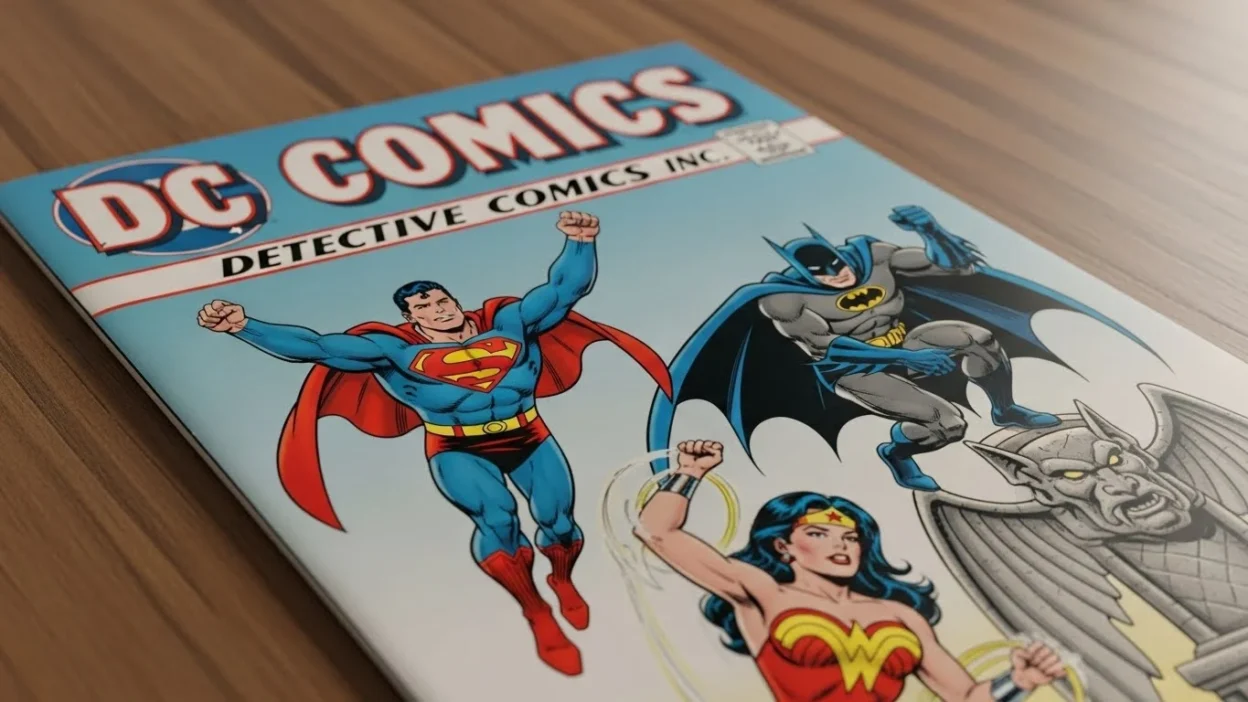
DC Comics is a name that resonates with comic book fans around the world, yet many people often wonder what “DC” actually stands for. Does it mean something mysterious, or is it just a catchy brand name?
In reality, DC Comics stands for Detective Comics, the iconic series that introduced some of the most famous superheroes in history.
From Batman to Superman, DC has shaped the comic book industry and pop culture for decades. People search for this topic not just out of curiosity but also to understand the origin, history, and significance of one of the largest comic book companies in the world.
In this article, we will explore the full meaning of DC Comics, its fascinating history, legendary characters, impact on movies and TV, and fun facts that every fan should know. By the end, you’ll have a complete understanding of what makes DC Comics so legendary.
DC Comics Quick Answer
The answer is simple: DC stands for Detective Comics. This name comes from one of the company’s earliest and most influential comic book series, Detective Comics, which was first published in 1937. While the company started under the name National Allied Publications, it became widely known as DC because of the immense popularity of this series. Over time, the abbreviation “DC” stuck, eventually becoming the official name of the company in the 1970s.
Detective Comics is historically significant because it introduced the world to Batman in Detective Comics #27 in 1939, one of the most iconic superheroes of all time. The series set the tone for the type of stories DC would be known for—heroic, thrilling, and often darker than its competitors.
It’s common for people to confuse “DC” with other abbreviations like Direct Current, but in the context of comics, it is exclusively linked to Detective Comics. Today, when people refer to DC Comics, they think not only of Batman but also of other legendary superheroes like Superman, Wonder Woman, The Flash, and Green Lantern.
The History and Origin of DC Comics
DC Comics has a rich history that dates back to the early days of the comic book industry. The company was originally founded in 1934 as National Allied Publications by Malcolm Wheeler-Nicholson. At the time, comic books were a new form of entertainment, and National Allied Publications aimed to create engaging stories that would captivate readers of all ages.
In 1937, the company launched Detective Comics, a series that would eventually define its identity. This series introduced a darker and more thrilling type of storytelling, setting the stage for some of the most legendary superheroes ever created. The name “DC” came directly from this series, and as the popularity of Detective Comics grew, the abbreviation became synonymous with the company itself.
One of the most significant milestones in DC’s history was the debut of Batman in Detective Comics #27 in 1939, followed by the introduction of Superman in 1938 in Action Comics #1. These characters became cultural icons, shaping the future of superhero storytelling and cementing DC Comics as a powerhouse in the comic book industry.
By the 1970s, the company officially adopted the name DC Comics, moving away from its original title while honoring its origins. Over the decades, DC has continued to evolve, expanding into movies, TV shows, and video games, while keeping its classic heroes at the center of pop culture. Understanding this history helps explain why DC Comics remains one of the most influential comic book publishers in the world.
Iconic DC Comics Characters
DC Comics is known for creating some of the most legendary and enduring superheroes and villains in pop culture history. These characters have appeared in comic books, movies, TV shows, and video games, making DC a household name worldwide.
The most iconic DC superheroes include Superman, the Man of Steel, who first appeared in Action Comics #1 in 1938. Superman represents hope, justice, and strength, becoming the blueprint for modern superheroes. Batman, who debuted in Detective Comics #27 in 1939, is another fan favorite. Unlike Superman, Batman relies on intelligence, detective skills, and technology, making him a dark and complex hero. Wonder Woman, introduced in 1941, stands as a symbol of female empowerment, courage, and truth. Other notable heroes include The Flash, Green Lantern, Aquaman, and Martian Manhunter, each with unique powers and stories that captivate readers across generations.
DC also features some of the most memorable villains in comic book history. Characters like the Joker, Lex Luthor, Darkseid, and Brainiac have challenged heroes in ways that define the stakes of their worlds. These villains are not only powerful but also complex, often reflecting real-world themes of ambition, chaos, and morality.
Together, these heroes and villains form the backbone of the DC Universe, a rich and expansive world filled with adventure, heroism, and storytelling depth. Their timeless appeal ensures that both longtime fans and new readers continue to engage with DC Comics, solidifying its place as a cornerstone of comic book history.
The D in DC Comics Stand For
DC Comics is one of the most iconic and influential comic book publishers in the world, known for legendary superheroes like Batman, Superman, and Wonder Woman. Many fans often wonder about the meaning behind its name, particularly the letter “D.” Understanding this helps provide context to the brand’s history and its cultural impact over decades.
The “D” in DC Comics originally stood for Detective, as in Detective Comics, which was one of the company’s earliest and most successful comic book series. Launched in 1937, Detective Comics introduced gripping crime and mystery stories, and eventually became the platform that introduced Batman in 1939. Over time, the popularity of this series was so immense that it influenced the naming of the entire company as DC Comics.
The company evolved from its early roots to encompass a wide universe of superheroes, villains, and epic storylines. While “DC” started as a simple reference to Detective Comics, it eventually became a full-fledged brand name representing innovation, storytelling, and the superhero genre itself. Fans now recognize DC as a symbol of iconic characters and legendary tales rather than focusing solely on the original meaning.
Beyond its name, DC Comics has expanded into movies, television, merchandise, and digital media. Its storytelling continues to inspire generations, and the legacy of Detective Comics still resonates in modern adaptations. Understanding the “D” in DC not only satisfies curiosity but also highlights the company’s rich history and creative foundation.
Overall, the “D” in DC Comics serves as a reminder of its beginnings in crime and detective storytelling, while the brand has grown into a cultural powerhouse shaping entertainment worldwide. Its journey from Detective Comics to a global superhero empire shows how a simple letter can carry immense history and influence.
DC Comics vs. Marvel Comics
One of the most common questions among comic fans is how DC Comics compares to Marvel Comics, the other giant of the comic book industry. While both companies have created beloved superheroes and built massive universes, their approach to storytelling and character development often differs.
DC Comics is known for its mythic and heroic tone. Its stories often feature larger-than-life heroes like Superman, Batman, and Wonder Woman, who represent ideals, justice, and moral clarity. DC’s universe has a timeless quality, often exploring epic conflicts and legendary narratives that feel almost like modern mythology. The storytelling can be darker and more serious, emphasizing the struggles of heroes against extraordinary threats.
On the other hand, Marvel Comics focuses on relatable and humanized characters. Superheroes like Spider-Man, Iron Man, and Black Panther face personal challenges, relationships, and everyday problems, making them feel closer to real life. Marvel stories often balance humor, action, and social themes, giving readers characters they can identify with.
Another key difference is the universe structure. DC often features standalone stories or interconnected universes like the DCEU (DC Extended Universe), while Marvel emphasizes a tightly connected cinematic universe, especially in the MCU.
Despite these differences, both DC and Marvel have loyal fan bases, and debates over which is better continue to spark discussions worldwide. Understanding the distinctions helps readers appreciate the unique qualities and storytelling styles that make each universe iconic.
DC Comics Stands For in Movies
DC Comics is one of the most iconic brands in entertainment, known for its rich universe of superheroes and villains. In movies, DC represents a blend of heroism, complex storytelling, and larger-than-life characters. Its cinematic adaptations bring to life beloved heroes like Superman, Batman, Wonder Woman, and The Flash, captivating audiences worldwide. Beyond entertainment, DC movies often explore themes of justice, morality, and human struggle, making them more than just action-packed spectacles.
In the world of storytelling, DC movies are praised for their compelling narratives and intricate universes. Filmmakers use DC’s extensive catalog to craft interconnected stories, building epic cinematic worlds where characters interact across different films. Fans appreciate the depth of these stories, which balance thrilling action with meaningful character development.
DC movies also play a key role in visual effects and cinematic innovation. From realistic fight sequences to stunning CGI and immersive world-building, these films push the boundaries of filmmaking technology. Directors and special effects teams collaborate to bring the fantastical elements of comic books to life on the big screen.
Education and discussion about storytelling also find value in DC movies. Critics, film students, and fans analyze character arcs, moral dilemmas, and narrative techniques showcased in these adaptations. This makes DC films a rich source of study for anyone interested in modern storytelling and cinematic techniques.
In the business of entertainment, DC movies are a significant part of the global box office. Merchandising, promotional campaigns, and collaborations with other media franchises enhance their commercial impact. Studios leverage the popularity of DC characters to engage audiences, maintain cultural relevance, and create lasting fan communities.
Additionally, DC movies inspire creativity in fans and creators alike. From fan art and cosplay to new comic series and spin-offs, these films spark imagination and passion across multiple generations. The combination of iconic characters, moral themes, and cinematic spectacle ensures that DC continues to influence culture worldwide.
Overall, DC Comics in movies stands for heroism, innovation, storytelling, and cultural impact. Its cinematic universe continues to shape modern entertainment, proving the enduring appeal of these legendary characters.
DC Comics in Movies, TV, and Gaming
DC Comics has expanded far beyond its comic book origins, leaving a huge mark on movies, television, and video games. Its characters and stories have been adapted into some of the most popular and influential entertainment franchises worldwide.
In the world of movies, the DC Extended Universe (DCEU) has brought iconic heroes to the big screen. Films like Man of Steel, Wonder Woman, Aquaman, and Justice League have introduced audiences to a cinematic universe filled with thrilling action, complex characters, and epic storylines. Standalone films such as Joker and The Batman explore darker, more nuanced narratives, showing the versatility of DC storytelling.
On television, DC has a long history of successful adaptations. The Arrowverse on The CW has brought together heroes like Green Arrow, Flash, and Supergirl in crossover events. Animated series, including Batman: The Animated Series and Justice League Unlimited, remain fan favorites, praised for their storytelling, art, and faithful adaptation of the comics.
Video games have also helped DC reach new audiences. Titles like Injustice: Gods Among Us, the Batman: Arkham series, and LEGO DC Super-Villains allow fans to step into the shoes of their favorite heroes and villains, experiencing their powers and challenges firsthand.
By embracing multiple platforms, DC Comics has maintained its cultural relevance, appealing to both longtime fans and new generations. Its influence in movies, TV, and gaming demonstrates how a comic book publisher can shape global pop culture, making superheroes a central part of entertainment history.
DC Comics Stand For in Washington
DC Comics is widely known as one of the biggest comic book publishers in the world, home to iconic superheroes like Superman, Batman, and Wonder Woman. However, the initials “DC” actually have a unique origin tied to Washington, D.C. The term “DC” originally stood for Detective Comics, the title of the company’s first successful comic book series. Over time, it became shorthand for the company itself, but its connection to the capital city is often a source of curiosity for fans and newcomers alike.
In understanding its historical context, the company was founded in the 1930s in the United States during the Golden Age of comic books. The use of “DC” emphasized the popular Detective Comics series, which featured crime-fighting heroes like Batman. This branding helped the company establish a strong identity, making it instantly recognizable across bookstores, newsstands, and eventually digital platforms. Fans associate DC not just with entertainment but also with pioneering storytelling in comics.
The legacy of DC Comics extends beyond comics. In Washington, D.C., and across the country, DC has influenced pop culture, movies, TV shows, and merchandise. The company’s storytelling universe includes complex characters, social commentary, and imaginative worlds, reflecting its cultural impact. Museums, comic conventions, and libraries often highlight its significance, showing how a comic book company became a household name.
Additionally, DC’s influence reaches educational and creative initiatives. Many schools, colleges, and comic workshops use DC characters and stories to teach narrative structure, art, and ethical lessons. By connecting comics with learning, DC continues to inspire new generations of artists, writers, and storytellers, proving that its impact goes far beyond mere entertainment.
Finally, the enduring appeal of DC Comics demonstrates how a simple abbreviation—originally tied to a single comic series—can grow into a global brand. From its roots in Detective Comics to its expansive universe today, DC remains a cornerstone of storytelling, innovation, and cultural influence worldwide. Its origin in Washington, D.C., may be a small historical fact, but its legacy resonates everywhere.
Fun Facts and Trivia About DC Comics
DC Comics is not just famous for its superheroes; it’s also full of interesting fun facts and trivia that even longtime fans may not know. Understanding these details gives a deeper appreciation of the company’s history and influence.
For starters, DC Comics was originally called National Comics when it was founded in 1934. The name changed over time as the company became better known for its Detective Comics series, which introduced Batman in Detective Comics #27 in 1939. Interestingly, Superman debuted just a year earlier in Action Comics #1 in 1938, becoming the first modern superhero and setting the template for countless others.
Another fun fact is that Batman was created because Superman was “too powerful.” Creators wanted a hero who relied on intelligence, gadgets, and detective skills rather than superhuman abilities. DC also holds several Guinness World Records, including having the most superheroes in one comic series and creating some of the longest-running comic characters in history.
Fans may also enjoy that DC often includes Easter eggs in its movies, TV shows, and comics, referencing hidden stories or connecting characters across universes. Team-ups, like the formation of the Justice League, were groundbreaking at the time, influencing other comic publishers to create their own superhero teams.
From its name changes to its record-breaking heroes, DC Comics is full of surprises that highlight its enduring legacy. These fun facts show why DC remains one of the most iconic and beloved comic book publishers in the world.
DC Comics Today
Today, DC Comics continues to be a major force in the comic book and entertainment industry. While it started as a small publisher in the 1930s, DC has grown into a global brand, reaching millions of fans through comics, movies, TV shows, and digital media.
Modern DC comics explore a wide range of stories, from classic superhero adventures to darker, more complex narratives. Popular series like Batman, Superman, Wonder Woman, and The Flash continue to release new issues, often reimagining origin stories or exploring alternative universes. This keeps both longtime fans and new readers engaged with fresh content.
In addition to print comics, DC has embraced digital platforms. Services like DC Universe Infinite allow readers to access thousands of classic and modern comics online, making it easier than ever to explore the DC Universe. Mobile apps and digital subscriptions have also helped DC reach a younger, tech-savvy audience.
DC’s presence in movies and TV shows remains strong, with the DCEU continuing to release blockbuster films like Aquaman, Shazam!, and The Flash. TV series on both live-action and animated platforms keep fans entertained while expanding the DC Universe in creative ways.
The company also actively engages with fan communities, hosting conventions, panels, and online events. These efforts help maintain DC’s relevance in today’s entertainment landscape. By blending classic storytelling with modern adaptations and technology, DC Comics continues to thrive as one of the most influential and beloved comic book publishers in the world.
DC Comics Stands for Now
DC Comics is one of the most iconic names in the world of comic books and superhero storytelling. Understanding what DC Comics stands for not only informs fans but also helps those interested in pop culture, media, and entertainment appreciate its influence. The acronym “DC” originally comes from Detective Comics, highlighting the company’s roots in crime and superhero stories. Over time, DC Comics has grown into a symbol of legendary characters, epic storylines, and a vast multimedia universe.
In the world of entertainment and media, knowing what DC Comics stands for is valuable for fans, creators, and marketers alike. It helps audiences recognize the legacy behind characters like Batman, Superman, and Wonder Woman, and appreciate the deeper narrative themes that the brand explores. Content creators, including bloggers and video producers, use this knowledge to create articles, reviews, and videos that resonate with a dedicated fanbase.
Education and learning also benefit from understanding DC Comics. Students of literature, storytelling, or pop culture studies can explore the historical context, symbolism, and cultural impact of DC Comics’ stories. Teachers and tutors can incorporate these lessons into creative writing classes, media studies, and even psychology, showing how comic characters reflect human values and societal issues.
Businesses and media companies also leverage the DC Comics brand for marketing, merchandise, and fan engagement. From movies and TV shows to clothing and collectibles, the DC brand carries recognition and credibility. Knowing what DC Comics stands for helps companies align their campaigns with fan expectations, ensuring both creative and commercial success.
Additionally, DC Comics inspires creativity and storytelling worldwide. Writers, artists, and hobbyists draw inspiration from its characters, universes, and plotlines. Understanding the origins and meaning of DC Comics provides a foundation for exploring new ideas, creating fan art, or developing original content within a superhero framework.
Overall, understanding what DC Comics stands for highlights its enduring influence in entertainment, education, business, and creative industries. Its rich history and cultural impact demonstrate why DC Comics remains a cornerstone of global storytelling and a source of inspiration for millions of fans worldwide.
DC Comics Stand for Anything
DC Comics is one of the most iconic names in the world of entertainment, known for its superheroes, stories, and expansive universe. Many people wonder if “DC” stands for anything specific, and understanding this helps fans and newcomers alike appreciate the brand’s legacy. While the letters are widely recognized, they carry historical significance that traces back to the company’s origins, shaping the identity of some of the most beloved comic characters of all time.
In the realm of comic books and storytelling, DC Comics has created legendary heroes like Superman, Batman, and Wonder Woman. These characters have inspired countless adaptations in movies, TV shows, and merchandise. By combining action, drama, and morality, DC has built a rich universe that entertains and teaches important lessons about heroism and justice.
For collectors and enthusiasts, DC Comics is more than just letters; it represents decades of history. Fans explore comic series, graphic novels, and limited editions that showcase the evolution of storytelling, art styles, and cultural impact. This connection keeps the legacy alive for generations of readers.
In entertainment and media, DC Comics has expanded beyond comics. Its films, TV shows, video games, and merchandise reflect a multi-billion-dollar industry. The brand’s recognition ensures that any reference to DC resonates with fans worldwide, creating excitement and anticipation for every new release.
Additionally, DC Comics has influenced education and creativity. Writers, artists, and designers study its narratives, character development, and world-building to inspire their own projects. Schools and workshops even use comic storytelling as a tool for creative learning, showing how DC extends beyond entertainment.
Overall, while “DC” originally stood for Detective Comics, today it symbolizes a universe of heroes, imagination, and cultural influence. From comics to films, education, and merchandise, DC Comics continues to captivate audiences, proving that a few letters can represent a legacy that transcends generations.
FAQs:
1. What does Detective Comics stand for?
DC Comics stands for Detective Comics, the series that introduced Batman and became the foundation of the company’s identity.
2. When was DC Comics founded?
DC Comics began in 1934 as National Allied Publications and later became widely known as DC Comics, officially adopting the name in the 1970s.
3. Who owns DC Comics today?
DC Comics is currently owned by Warner Bros. Discovery, a major entertainment company that manages its movies, TV shows, and digital media.
4. Does DC Comics only publish superhero comics?
While DC is famous for superheroes, it also publishes villain-centered stories, fantasy, sci-fi, and graphic novels that explore a variety of genres and themes.
5. Are all DC movies connected in one universe?
Many DC films are part of the DC Extended Universe (DCEU), but some standalone films like Joker and The Batman exist outside this shared continuity.
6. Why is DC Comics so influential?
DC created some of the first modern superheroes, including Superman and Batman, and its stories have inspired movies, TV shows, games, and generations of fans worldwide.
7. What is the difference between DC and Marvel?
DC often features mythic, larger-than-life heroes and darker storylines, while Marvel focuses on relatable characters and humor, with a tightly connected cinematic universe.
Conclusion
DC Comics has stood the test of time as one of the most influential and iconic comic book publishers in history.
From its humble beginnings in 1934 as National Allied Publications to becoming the globally recognized brand we know today, DC has shaped the landscape of superhero storytelling and pop culture.
The abbreviation “DC” itself, standing for Detective Comics, reflects the company’s roots and its commitment to delivering thrilling, imaginative stories that have captivated generations of readers.
Over the decades, DC has introduced some of the most legendary heroes and villains, including Superman, Batman, Wonder Woman, the Joker, and Lex Luthor.
These characters have transcended the pages of comic books, appearing in blockbuster movies, hit television shows, and immersive video games, making the DC Universe a cornerstone of modern entertainment.
Fun facts, historical milestones, and iconic storylines highlight the depth and creativity that set DC apart from other comic publishers.
Even today, DC remains relevant by embracing modern platforms, digital comics, and diverse storytelling. Its ongoing influence in movies, TV, and fan culture ensures that DC continues to inspire and entertain new generations.
If you are a longtime fan or just discovering the DC Universe, understanding what DC stands for and its history offers a deeper appreciation of its cultural impact.
DC Comics is more than a brand it’s a legacy of heroism, imagination, and timeless storytelling that continues to thrive in 2026 and beyond.
Discover More Articale
- What Does Alt F4 Do Understanding Its Function for 2026
- What Does GNG Mean in Texting and How to Use It 2026
- What Does DL Mean in Texting and Online for 2026

I’m the mind behind Jokesattack.com, your go-to place for daily laughs, clever puns, and hilarious memes. Spreading smiles one joke at a time!