
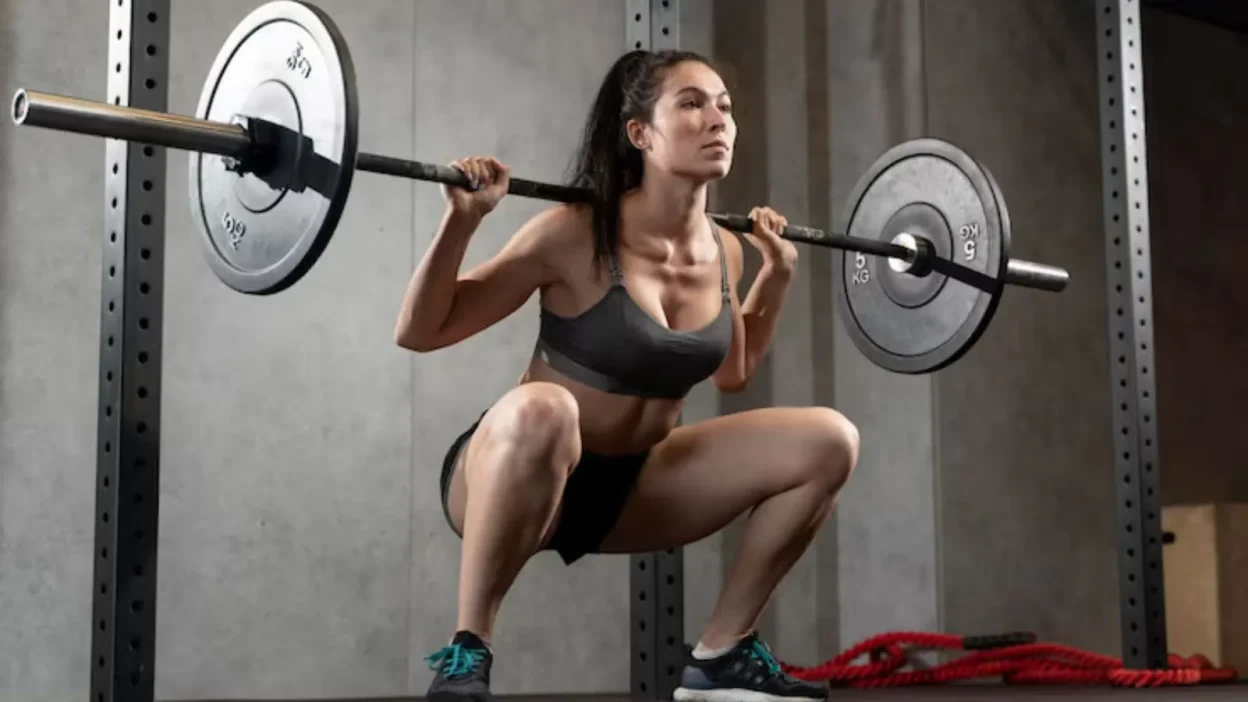
The deadlift is often called the “king of lifts,” and for good reason. Many fitness enthusiasts and beginners alike wonder what muscles the deadlift works and why it’s so effective for building strength.
While some assume it mainly targets the legs or back, deadlifts are a full-body powerhouse that engage multiple muscle groups simultaneously.
Understanding muscles worked by deadlift can help you maximize results, avoid injury, and improve your overall performance in the gym.
From the glutes and hamstrings to the erector spinae, traps, and core, deadlifts activate both primary and stabilizing muscles, making them a key exercise for functional strength and posture improvement.
In this guide, we’ll explore the main and secondary muscles deadlifts target, explain different deadlift variations, highlight common mistakes, and share tips on how to deadlift properly.
By the end, you’ll know exactly what does deadlift work and how to incorporate it into your training routine effectively.
What Muscles Does the Deadlift Work Quick Answer
The deadlift is one of the most effective full-body exercises, targeting both major and minor muscle groups. While it may look like a simple lift, it engages multiple muscles in a coordinated effort to lift the bar safely and efficiently. Understanding what muscles the deadlift works helps you train smarter and prevent injuries.
Primary Muscles Worked:
- Glutes: Deadlifts activate the gluteus maximus, which powers hip extension and helps you stand tall.
- Hamstrings: These muscles at the back of your thighs assist in hip extension and control the lowering phase of the lift.
- Erector Spinae (Lower Back): These stabilize the spine and maintain posture throughout the movement.
- Quadriceps: The front thigh muscles help during the initial lift off the floor, especially in conventional deadlifts.
Secondary and Stabilizing Muscles:
- Trapezius (Traps): Upper back muscles that stabilize the shoulders and support the lift.
- Lats (Latissimus Dorsi): Keep the bar close to your body and assist in maintaining proper posture.
- Forearms and Grip Muscles: Essential for holding the bar securely.
- Core (Abs and Obliques): Engaged to stabilize your torso and protect the spine.
In short, the deadlift works both large, primary muscles and smaller stabilizers, making it highly efficient for building strength, improving posture, and enhancing overall athletic performance. Whether you are a beginner or an advanced lifter, knowing which muscles deadlifts target ensures you get the maximum benefit from this powerhouse exercise.
Primary Muscles Worked by Deadlift
The deadlift is a compound movement, meaning it targets multiple major muscle groups at once. Focusing on the primary muscles worked helps you understand why this exercise is essential for strength and functional fitness.
1. Glutes (Gluteus Maximus):
The glutes are the powerhouse of the deadlift. They are responsible for hip extension, which drives you upward during the lift. Strong glutes not only improve your deadlift performance but also enhance athletic movements like running, jumping, and squatting.
2. Hamstrings:
Located at the back of your thighs, the hamstrings play a crucial role in controlling the eccentric (lowering) phase and assisting hip extension. Romanian and stiff-legged deadlifts especially target hamstrings, improving flexibility and strength in the posterior chain.
3. Erector Spinae (Lower Back):
The erector spinae muscles run along your spine and are vital for spinal stabilization. They prevent your back from rounding and reduce the risk of injury while lifting heavy loads. A strong lower back also improves posture and supports other lifts like squats and rows.
4. Quadriceps:
Though not as dominant as the glutes or hamstrings, the quads contribute to the initial lift off the ground, particularly in conventional deadlifts. They provide the leg drive needed to start the movement safely and efficiently.
Deadlift Workout: Which Muscles Does It Work?
The deadlift workout is one of the most powerful and effective strength-training exercises. It is widely used in gyms, athletic training programs, and competitive lifting sports because of its ability to target multiple muscle groups at once. Unlike isolation exercises that focus on a single muscle, the deadlift is a compound movement that builds total-body strength. Understanding which muscles the deadlift works can help you perform it correctly and maximize your results while reducing the risk of injury.
One of the primary muscle groups activated during a deadlift is the posterior chain. This includes the glutes and hamstrings, which play a major role in lifting the weight from the ground. The gluteus maximus is responsible for hip extension, while the hamstrings assist in stabilizing and extending the hips. These muscles generate the main power needed to complete the lift.
The lower back muscles, particularly the erector spinae, are also heavily engaged. They help maintain a neutral spine and provide stability throughout the movement. In addition, the core muscles, including the abdominals and obliques, work to stabilize the torso and protect the spine from excessive strain.
The deadlift also activates the upper body. The latissimus dorsi helps keep the bar close to the body, while the trapezius and rhomboids assist in shoulder stabilization. Forearm muscles are strongly engaged to maintain grip strength, making the deadlift an excellent exercise for improving overall pulling power.
Overall, the deadlift workout targets the glutes, hamstrings, lower back, core, upper back, and forearms, making it one of the most comprehensive strength exercises available. Its ability to build muscle, improve posture, and increase functional strength explains why it remains a foundational movement in fitness and athletic training programs worldwide.
Deadlift Workout Routine
A deadlift workout routine is one of the most effective ways to build total-body strength and muscle. The deadlift is a compound exercise that targets multiple muscle groups at once, making it a staple in strength training and bodybuilding programs. Whether you are a beginner looking to improve overall fitness or an advanced lifter aiming to increase power, incorporating a structured deadlift routine can significantly enhance your performance and results.
One of the primary benefits of a deadlift workout routine is full-body muscle activation. The exercise primarily targets the hamstrings, glutes, lower back, and core, while also engaging the upper back, traps, and grip strength. Because it recruits so many muscles simultaneously, the deadlift helps improve posture, stability, and overall functional strength. Including variations such as conventional deadlifts, sumo deadlifts, and Romanian deadlifts can further enhance muscle development and prevent plateaus.
In strength training programs, deadlifts are often performed with progressive overload. This means gradually increasing the weight over time to build strength safely and effectively. Beginners may start with lighter weights and focus on proper form, while intermediate and advanced lifters can incorporate heavier sets, lower repetitions, and structured training splits. Rest days and proper recovery are essential to prevent overtraining and reduce the risk of injury.
A deadlift workout routine also plays a significant role in athletic performance. Athletes use deadlifts to develop explosive power, speed, and endurance. Strong posterior chain muscles contribute to better sprinting, jumping, and lifting mechanics. Additionally, the exercise supports injury prevention by strengthening stabilizing muscles and improving joint support.
Beyond strength and athleticism, deadlifts can aid in fat loss and overall fitness. Since the movement demands high energy output, it burns significant calories and boosts metabolism. When combined with a balanced diet and consistent training schedule, a well-designed deadlift routine can support body recomposition goals.
Overall, a deadlift workout routine is a powerful foundation for building strength, improving athletic performance, and enhancing overall fitness. Its ability to engage multiple muscle groups, promote progressive strength gains, and support long-term physical development makes it an essential component of any serious training program.
Secondary Muscles and Stabilizers Engaged
While the deadlift’s primary focus is on the glutes, hamstrings, lower back, and quads, it also heavily engages secondary muscles and stabilizers, which play a critical role in maintaining proper form, balance, and overall strength.
1. Trapezius (Traps):
The traps, especially the upper and middle portions, stabilize the shoulder blades and upper back. They help keep the shoulders in place during the lift and contribute to pulling the bar upward. A strong trap engagement prevents rounding of the upper back, reducing injury risk.
2. Latissimus Dorsi (Lats):
The lats are essential for keeping the bar close to your body. They act as stabilizers during both the upward and downward motion, improving control and efficiency in your deadlift. Engaging the lats correctly also supports a straight spine and better posture.
3. Forearms and Grip Muscles:
Deadlifts challenge your grip strength. The forearms, hands, and fingers work hard to hold onto the bar, especially as the weight increases. Training these muscles indirectly improves performance in other lifts and functional movements.
4. Core Muscles (Abs and Obliques):
The core is constantly engaged to stabilize the torso and protect the spine. Strong abs and obliques prevent excessive forward lean and maintain rigidity throughout the lift, which is crucial for lifting heavy loads safely.
5. Smaller Stabilizers:
Other minor muscles, including the erector spinae stabilizers in the mid-back, rhomboids, and even calves, assist in maintaining balance and correct form.
Benefits of Deadlifting
Deadlifts are more than just a strength exercise they offer a wide range of physical and functional benefits that make them essential for both beginners and advanced lifters. Understanding the advantages helps explain why deadlifts are often called the “king of lifts.”
1. Full-Body Strength:
Deadlifts target multiple muscle groups simultaneously, including the glutes, hamstrings, lower back, quads, traps, lats, and core. Training these muscles together improves overall strength, allowing you to lift heavier weights in other exercises and perform everyday movements with ease.
2. Posterior Chain Development:
The posterior chain—which includes the glutes, hamstrings, and lower back—is crucial for posture, power, and athletic performance. Deadlifts strengthen this chain, reducing the risk of lower back pain and improving balance and stability.
3. Functional Fitness:
Deadlifts mimic real-life lifting movements, making them highly functional. Whether picking up groceries, lifting a child, or moving furniture, the strength gained from deadlifts translates directly into daily life activities.
4. Hormonal and Metabolic Benefits:
Heavy compound lifts like deadlifts stimulate the release of testosterone and growth hormone, promoting muscle growth and fat loss. They also increase metabolism due to the large number of muscles engaged.
5. Improved Posture:
Deadlifts strengthen spinal stabilizers and core muscles, helping maintain an upright posture. This can reduce slouching, improve appearance, and prevent back injuries over time.
6. Mental Toughness:
Deadlifting heavy weights also builds discipline, focus, and confidence. Overcoming challenging lifts can boost motivation and mental resilience, both in the gym and in everyday life.
Deadlift Variations and Muscle Emphasis
Deadlifts come in several variations, each slightly altering muscle activation and emphasizing different parts of the body. Understanding these variations helps you tailor your training to specific goals, whether it’s strength, hypertrophy, or athletic performance.
1. Conventional Deadlift:
The conventional deadlift is the most common style. It emphasizes the glutes, hamstrings, erector spinae, and quads. With a hip-width stance, it relies on both leg drive and back strength, making it a balanced full-body lift. Beginners often start here to build foundational strength.
2. Sumo Deadlift:
Sumo deadlifts feature a wide stance with hands inside the knees. This variation shifts more emphasis to the quads and inner thighs while reducing stress on the lower back. It is particularly useful for lifters with long torsos or those wanting a different leverage point for lifting heavy.
3. Romanian Deadlift (RDL):
RDLs focus on the hamstrings and glutes. With a slight bend in the knees and a controlled lowering of the bar, RDLs improve hamstring flexibility, strengthen the posterior chain, and are excellent for developing hip hinge mechanics.
4. Trap Bar Deadlift:
Using a trap bar (hex bar) positions the body upright and centers the weight around your torso. This variation reduces lower back strain while still targeting the quads, glutes, hamstrings, and traps. It’s beginner-friendly and effective for strength and hypertrophy training.
Proper Deadlift Form Step by Step
Maintaining proper form is essential when performing deadlifts, as it ensures maximum muscle engagement while minimizing the risk of injury. Even small mistakes can put undue stress on your lower back, shoulders, or knees. Here’s a step-by-step guide to how to deadlift properly.
1. Foot Position:
Stand with your feet about hip-width apart. Your toes should point slightly outward, and the barbell should be over the middle of your feet, close enough to almost touch your shins.
2. Grip the Bar:
Use a double overhand, mixed, or hook grip. Hands should be just outside your knees. Engage your lats by slightly pulling your shoulders down and back before lifting.
3. Back and Core Alignment:
Keep a neutral spine throughout the lift. Engage your core muscles to stabilize your torso and prevent rounding of the lower back. Avoid hyperextending at the top.
4. Hip Hinge:
Push your hips back while maintaining a slight bend in the knees. The lift should originate from your legs and glutes, not your arms or lower back.
5. Lift the Bar:
Drive through your heels, extend your hips and knees simultaneously, and keep the bar close to your body. Stand tall at the top, shoulders back, and chest up.
6. Lowering the Bar:
Control the descent by hinging at the hips and slightly bending the knees. Avoid dropping the bar; this ensures continued engagement of hamstrings, glutes, and core.
Common Deadlift Mistakes and How to Fix Them
Deadlifts are highly effective, but performing them incorrectly can lead to injuries and reduced muscle activation. Recognizing common mistakes and knowing how to correct them ensures that the exercise remains safe and productive.
1. Rounding the Back:
Many lifters round their lower back during the lift, increasing the risk of spinal injury. Fix: Keep your spine neutral, engage your core, and focus on hip hinge mechanics rather than trying to lift with your back.
2. Lifting With the Arms:
Deadlifts are powered by the legs and hips, not the arms. Pulling primarily with your arms reduces efficiency and stresses the shoulders. Fix: Keep arms straight and let your legs and glutes drive the lift.
3. Improper Bar Path:
The bar should travel in a straight line close to your body. Letting it drift forward forces the back to overcompensate. Fix: Keep the bar close to your shins and thighs throughout the lift.
4. Poor Core Engagement:
Failing to brace your core can lead to instability and lower back strain. Fix: Take a deep breath and tighten your abs before lifting. This creates a protective brace for the spine.
5. Lifting Too Heavy Too Soon:
Using weights beyond your capability compromises form. Fix: Start with manageable loads and progressively increase weight as strength and technique improve.
6. Incorrect Hip Position:
Hips too high or too low can shift stress to the wrong muscles. Fix: Adjust hip height so your back remains neutral, and your legs drive the lift.
Deadlift Programming and Frequency
Deadlifts are a demanding full-body exercise, so programming them correctly is essential to maximize results while preventing overtraining. Frequency, sets, and reps should be tailored to your experience level, goals, and recovery ability.
1. Beginners:
If you’re new to deadlifting, start with 1–2 sessions per week. Focus on mastering proper form with moderate weights. Aim for 3–4 sets of 6–10 reps, emphasizing controlled movements rather than heavy loads. Recovery is crucial at this stage, as your muscles and nervous system adapt to the lift.
2. Intermediate Lifters:
For those with experience, 2–3 sessions per week are effective. You can incorporate heavier weights and slightly lower reps (3–6) for strength, or higher reps (8–12) for hypertrophy. Accessory exercises like Romanian deadlifts, good mornings, or barbell rows can complement the main lift.
3. Advanced Lifters:
Advanced athletes may deadlift 3–4 times per week, cycling intensity between heavy, moderate, and light days. Programming often includes periodization, focusing on strength, speed, and recovery phases. Variations like sumo or trap bar deadlifts can be included to reduce stress and target different muscle groups.
Recovery and Safety:
Deadlifts place significant stress on the lower back and posterior chain. Always allow 48–72 hours of recovery between heavy sessions. Sleep, nutrition, and mobility work are essential to prevent injury and promote gains.
Deadlift for Different Fitness Goals
Deadlifts are a versatile exercise that can be tailored to strength, hypertrophy, and fat loss goals. Understanding how to adjust volume, intensity, and variations allows you to maximize the benefits for your specific objective.
1. Strength Training:
If your goal is raw strength, focus on lower reps with heavier weights. Typically, performing 3–6 reps per set with longer rest periods (2–5 minutes) is ideal. Conventional and sumo deadlifts are excellent for strength development because they allow you to lift maximum weight while engaging the primary muscles fully. Accessory lifts, such as Romanian deadlifts or deficit deadlifts, can further strengthen weak points in the lift.
2. Hypertrophy (Muscle Growth):
For building muscle mass, moderate weights with higher reps (8–12 per set) work best. Focus on controlled tempo and proper mind-muscle connection to engage the glutes, hamstrings, and lower back effectively. Romanian or stiff-legged deadlifts are particularly useful for isolating the posterior chain. Combining deadlifts with accessory exercises ensures balanced muscle development.
3. Fat Loss and Conditioning:
Deadlifts can also support fat loss due to their high metabolic demand. Performing deadlifts in circuit-style workouts or supersets with short rest periods increases calorie expenditure while maintaining strength benefits. Trap bar deadlifts are beginner-friendly and reduce lower back strain during higher-volume conditioning.
FAQs:
1. Does the deadlift work abs?
Yes! The deadlift engages your core muscles, including the abs and obliques, to stabilize your spine during the lift. While it’s not a direct ab exercise, it strengthens your core significantly.
2. Can deadlifts replace squats?
Deadlifts and squats target different primary muscles. Squats emphasize quads, while deadlifts focus on the posterior chain (glutes, hamstrings, lower back). Both are complementary; one cannot fully replace the other.
3. How heavy should beginners lift?
Beginners should start with a moderate weight that allows them to perform 8–10 reps with proper form. Focus on technique before increasing load to prevent injury.
4. Are deadlifts safe for the lower back?
When performed with proper form, deadlifts are safe and actually strengthen the lower back muscles. Avoid rounding your spine, overloading, or lifting without core engagement.
5. How often should I deadlift?
For beginners, 1–2 times per week is sufficient. Intermediate lifters can train 2–3 times per week, while advanced athletes may include deadlift variations 3–4 times weekly with careful programming and recovery.
6. How long until I see results?
With consistent training, improvements in strength and muscle engagement are typically noticeable within 4–6 weeks. Visible muscle growth may take longer depending on diet and overall training volume.
Conclusion
The deadlift is truly a full-body powerhouse, targeting major muscles like the glutes, hamstrings, lower back, and quads, while also engaging secondary stabilizers such as traps, lats, forearms, and core.
Understanding what muscles deadlifts work helps you lift more effectively, avoid injury, and achieve better overall strength and posture.
Beyond muscle development, deadlifts improve functional fitness, enhance athletic performance, boost metabolism, and even support mental toughness.
Variations such as conventional, sumo, Romanian, and trap bar deadlifts allow you to emphasize different muscle groups and tailor the exercise to your goals—whether strength, hypertrophy, or fat loss.
By focusing on proper form, avoiding common mistakes, and programming your deadlift sessions thoughtfully, you can maximize results safely.
Incorporating deadlifts into your routine ensures not just stronger muscles, but also improved posture, stability, and full-body functionality. For anyone serious about strength training, deadlifts are indispensable.
Discover More Articale
- What Does Lean Do to You: Effects on Body and Mind in 2026
- What Does Toner Do for Your Skin According to Dermatologists
- What Does Grace Mean: Understanding Its True Meaning in 2026

I’m the author behind Jokesattack.com, where I share the funniest jokes, puns, and memes to make your day brighter with laughter. 😄🎉