
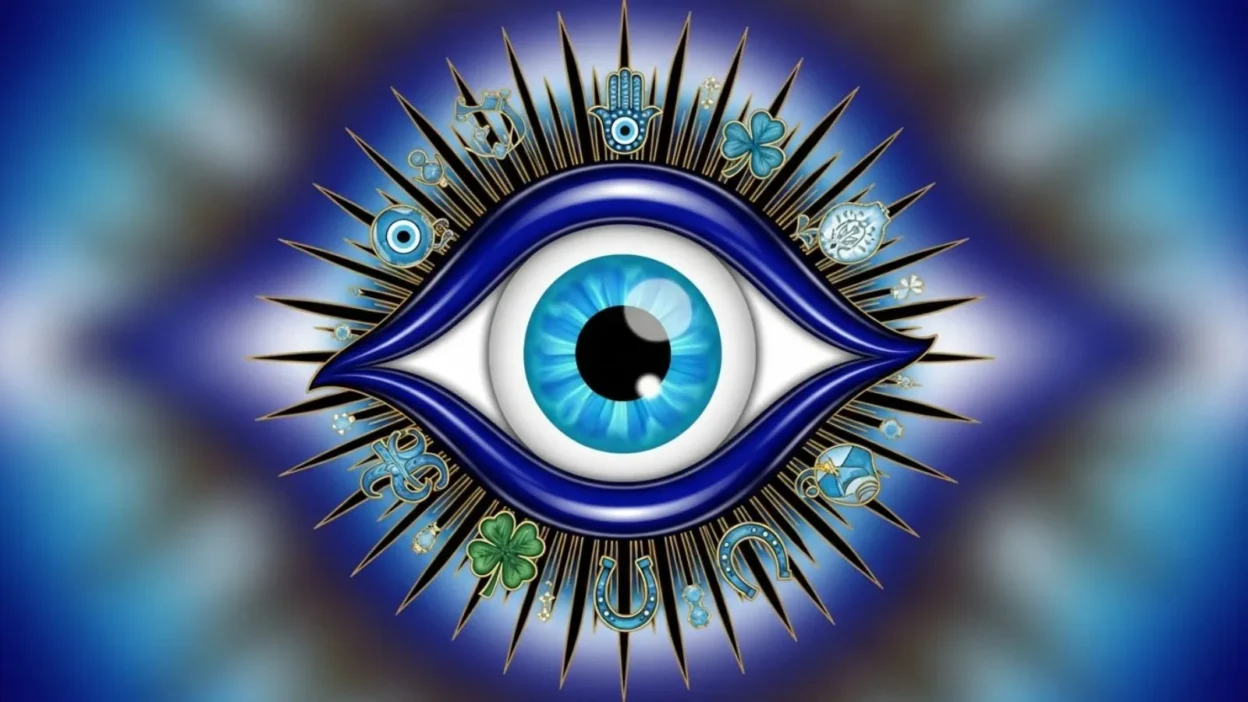
The evil eye is a belief that has existed for thousands of years and is still widely talked about today. Many people ask, what does the evil eye mean, especially when they see the symbol on jewelry, clothing, or home décor.
In simple terms, the evil eye is believed to be caused by jealousy or envy, whether intentional or unintentional, that brings negative energy or bad luck to another person.
This belief appears in many cultures, including those in the Middle East, South Asia, the Mediterranean, and parts of Europe. While some view the evil eye as a spiritual force, others see it as a cultural superstition passed down through generations.
Over time, the evil eye has also become a symbol of protection, used to ward off harm and negativity.
Understanding the meaning of the evil eye helps explain why it remains such a powerful and meaningful symbol across different religions, traditions, and modern lifestyles.
What Is the Evil Eye?
The evil eye is a belief that a person can cause harm to someone else through jealousy, envy, or excessive admiration. According to this belief, negative energy can be transmitted simply by looking at someone with ill intent or strong jealousy. Many cultures believe that this harmful look does not always come from someone who wishes bad on purpose. In many cases, the evil eye is thought to be given unintentionally, especially when someone praises another person without protective words or blessings.
People often associate the evil eye with bad luck, sudden problems, or unexplained misfortune. These issues might include financial trouble, relationship problems, health concerns, or emotional stress. While there is no scientific proof that the evil eye exists, the belief has remained strong because it offers a way for people to explain unexpected negative events.
The concept of the evil eye is not limited to one religion or region. It appears in cultures across the Middle East, South Asia, Europe, Latin America, and Africa. Each culture may have different names, rituals, or symbols, but the core idea remains the same: envy can create negative energy that affects others.
Over time, the evil eye has also taken on a protective meaning. Symbols such as blue eye charms are believed to reflect or absorb negative energy, helping protect the person wearing or displaying them. Today, many people see the evil eye as both a cultural tradition and a symbolic reminder to stay mindful of envy and negativity in everyday life.
History and Origin of the Evil Eye
The belief in the evil eye dates back thousands of years and is one of the oldest superstitions in human history. Ancient civilizations believed that a powerful glance filled with envy or jealousy could bring harm, illness, or bad fortune. Early records of the evil eye can be found in ancient Greece and Rome, where philosophers and writers discussed the dangers of envy and the harmful power of the human gaze.
In ancient Greece, thinkers such as Plato and Plutarch wrote about the idea that the eyes could transmit energy. Similarly, Roman texts mentioned protective charms and rituals used to defend against harmful looks. These early beliefs helped shape how the evil eye was understood and passed down through generations.
The concept of the evil eye also appeared in ancient Egypt and Mesopotamia, where symbols and amulets were used for protection. As trade routes expanded, the belief spread across the Mediterranean, Middle East, South Asia, and parts of Europe. Each region adapted the belief to its own culture, religion, and traditions.
Over time, the evil eye became deeply rooted in everyday life. Parents used protective symbols for children, travelers carried charms for safety, and homes displayed talismans for protection. Even today, the long history of the evil eye explains why it remains such a powerful and widely recognized symbol across the world, blending ancient tradition with modern cultural practices.
Spiritual Meaning of the Evil Eye
The spiritual meaning of the evil eye is closely linked to the idea of negative energy created by envy, jealousy, or ill feelings. Spiritually, many believe that when someone harbors strong emotions such as resentment or excessive admiration, that energy can unintentionally affect another person. The evil eye is seen as a reflection of this imbalance, where negative intentions disrupt emotional or spiritual well-being.
In spiritual belief systems, the evil eye is not always associated with someone wishing harm. Often, it is believed to occur unintentionally, especially when success, beauty, or happiness attracts attention without spiritual protection. This is why many traditions emphasize humility and gratitude, as they are thought to reduce the chances of attracting negative energy.
Some spiritual perspectives describe the evil eye as a test of spiritual strength. People who are emotionally sensitive or spiritually open are believed to be more affected by negative energy. For this reason, protective symbols, prayers, and rituals are commonly used to guard the spirit and restore balance.
In modern spirituality, the evil eye is often viewed less as a curse and more as a reminder to protect personal energy. Wearing an evil eye symbol can symbolize awareness, mindfulness, and emotional boundaries. Whether one believes in its literal power or not, the spiritual meaning of the evil eye continues to represent the human awareness of how emotions and intentions can influence both inner peace and external experiences.
Evil Eye Meaning in Different Cultures
The meaning of the evil eye varies across cultures, but the central belief remains the same: envy or jealousy can cause harm. Each culture explains and responds to the evil eye in its own unique way, shaped by religion, tradition, and history.
In Islamic culture, the evil eye is known as nazar. It is believed that admiration or jealousy can bring harm if not accompanied by blessings. Many Muslims recite prayers for protection and emphasize gratitude to prevent negative effects. The belief is widely accepted and discussed within a spiritual framework.
In Christianity, references to the evil eye appear in biblical texts, where it is often associated with envy, greed, or ill intent. The evil eye is viewed as a moral warning against jealousy rather than a physical force. Prayer and faith are seen as protection.
In Hindu culture, the evil eye is known as drishti. It is commonly believed that excessive praise can attract negative energy. Traditional remedies include rituals, black dots on children, and protective charms to ward off harm.
Mediterranean and Middle Eastern cultures strongly embrace the evil eye belief. Blue eye charms are commonly used in homes, vehicles, and jewelry to reflect negative energy. In Latin American cultures, the belief also exists, often paired with protective prayers or rituals.
What Does the Evil Eye Symbol Represent?
The evil eye symbol represents protection against negative energy, jealousy, and harmful intentions. Although the belief originally focused on harm caused by envy, the symbol itself evolved into a protective sign meant to guard the wearer or the space where it is placed. The eye shape is believed to watch over a person, reflecting negative energy back to its source.
The most common evil eye symbol is a circular design with an eye-like appearance, often featuring layers of color. The eye is considered a powerful symbol across many cultures, representing awareness, intuition, and vigilance. By using an eye symbol, people believe they are staying alert to negativity and preventing harm before it can affect them.
The color blue is especially associated with the evil eye symbol. Traditionally, blue was believed to repel negative energy and provide spiritual protection. This is why many evil eye charms are blue, particularly in Mediterranean and Middle Eastern regions. Over time, other colors were introduced, each believed to carry its own meaning and purpose.
Today, the evil eye symbol is widely used not only for spiritual protection but also as a cultural and decorative element. Many people wear or display it as a reminder to remain grounded, protected, and mindful of negative influences. Whether viewed as a spiritual shield or a meaningful symbol, the evil eye continues to represent humanity’s desire for safety, balance, and emotional well-being.
Evil Eye Colors and Their Meanings
The colors of the evil eye are not just decorative—they carry specific meanings and are believed to serve different purposes in protection and symbolism. Traditionally, the evil eye is blue, but over time, other colors have been added, each with its own significance.
Blue Evil Eye:
This is the most common color and is believed to protect against negative energy and envy. It is associated with peace, safety, and spiritual protection. Many people wear blue evil eye jewelry or hang blue charms in their homes to keep harmful energy away.
Black Evil Eye:
Black is thought to absorb negative energy rather than deflect it. It symbolizes strength and the ability to handle challenges. Some wear black evil eye charms when they feel vulnerable or want to reinforce personal boundaries.
Red Evil Eye:
Red represents courage, passion, and energy. It is believed to protect against emotional harm and boost confidence. In some cultures, red evil eye charms are used for children to ensure health and protection.
Green Evil Eye:
Green symbolizes growth, harmony, and prosperity. It is often used to attract positive energy while protecting from jealousy or envy that could affect personal or professional life.
White Evil Eye:
White stands for purity, clarity, and spiritual awareness. It is thought to provide protection while encouraging positive intentions and mindfulness.
Why People Wear Evil Eye Jewelry
Evil eye jewelry is one of the most popular ways people interact with the belief in the evil eye. From necklaces and bracelets to rings and earrings, these pieces are worn not just as fashion but as symbols of protection. The main idea behind wearing evil eye jewelry is to reflect or absorb negative energy, keeping the wearer safe from envy, jealousy, and harmful intentions.
The blue eye charm is the most common, but jewelry comes in many colors, each with its own meaning. Many people wear evil eye jewelry for spiritual reasons, believing it can protect them, their families, or even their homes. For example, parents may give children evil eye bracelets to shield them from harm, while adults may wear necklaces to safeguard their work or personal relationships.
Evil eye jewelry also serves as a reminder of mindfulness. The wearer is reminded to stay humble, kind, and aware of negative influences in life. While some see it purely as a cultural or religious tradition, others adopt it as a spiritual tool, combining protection with personal intention.
Even in modern fashion, the evil eye symbol retains its original meaning. Wearing it shows respect for cultural heritage while embracing the protective symbolism. Understanding what the evil eye means can help people appreciate why these charms continue to be popular across different cultures, serving both as a spiritual safeguard and a meaningful accessory.
Signs of the Evil Eye (Belief Based)
Many cultures believe that the evil eye can manifest in subtle or obvious ways, often appearing as unexpected difficulties or misfortunes. While there is no scientific proof, people who follow these beliefs often recognize certain signs that indicate someone may be affected by the evil eye.
One common sign is sudden bad luck. This could include financial losses, accidents, or unexpected setbacks in work or personal life. These events are often seen as unexplainable or unusually frequent, which can make people think negative energy is at play.
Another sign is health-related issues without a clear medical reason, such as fatigue, headaches, or unexplained stress. Emotionally, some may experience mood swings, anxiety, or feelings of heaviness, which believers attribute to the influence of envy or negative intention from others.
Children are often considered more sensitive to the evil eye, and parents in many cultures use protective charms, symbols, or rituals to shield them. Adults may notice tension in relationships, misunderstandings, or a sudden feeling of being “watched” as additional signs.
It’s important to note that these signs are cultural and belief-based, and not everyone experiences them in the same way. Many people also use the evil eye as a symbolic reminder to stay mindful of negative influences and to maintain personal boundaries.
Recognizing these signs allows individuals to take protective steps, whether through spiritual practices, cultural rituals, or simply staying aware of the energy and intentions around them.
How to Protect Yourself from the Evil Eye
Protection from the evil eye has been practiced for centuries, with each culture developing its own rituals, charms, and spiritual methods. While the evil eye is often linked to jealousy or negative energy, many people use protective measures to maintain peace, health, and well-being.
Religious Protection Methods
In Islam, people recite prayers or verses from the Quran to protect themselves from the evil eye, also known as nazar. Similarly, in Christianity, prayer, blessings, and faith are used as spiritual shields against envy or ill intentions. Many religions encourage invoking positive energy and gratitude to reduce vulnerability to negativity.
Cultural Protection Practices
Different cultures have specific remedies to counteract the evil eye. For example, Mediterranean cultures often use blue eye charms, while in South Asia, black threads or amulets are tied around the wrist or neck. Rituals may include sprinkling salt, performing purification ceremonies, or reciting traditional chants to ward off harm.
Modern Spiritual Protection
In contemporary spirituality, people use crystals, talismans, or visualization techniques to protect personal energy. Meditation and affirmations help maintain mental and emotional balance, reducing the impact of negative influences. Some also display evil eye symbols at home or wear jewelry as both a protective and symbolic measure.
Evil Eye Myths vs Facts
The evil eye has inspired many myths over centuries, but separating belief from fact helps us understand its meaning and relevance today. One common myth is that the evil eye can physically harm a person without any natural cause. While many people report sudden bad luck or unexplained problems, there is no scientific evidence proving the is real. Instead, these events are often coincidental or related to psychological and social factors.
Another myth is that only certain people can give the intentionally. In truth, cultural beliefs suggest that anyone can unintentionally transmit negative energy simply through admiration, envy, or attention. The focus is less on the person giving the and more on maintaining personal energy and awareness.
A widely held fact in cultural terms is that the symbol is used as a protective measure. Blue eye charms, jewelry, and amulets are designed to reflect negativity or shield the wearer from harmful energy. This practice is not just superstition—it has deep cultural and spiritual significance in many societies around the world.
Modern interpretations also focus on emotional and mental awareness. The is seen as a reminder to manage envy, jealousy, and negative intentions in daily life. Whether one views it as literal or symbolic, understanding the myths and facts helps people respect cultural traditions while also applying practical mindfulness. This balance ensures the remains meaningful without unnecessary fear.
Is the Evil Eye Good or Bad?
The is often misunderstood, with many people asking whether it is inherently good or bad. In reality, the itself is neither fully harmful nor entirely protective—it depends on perspective, intention, and cultural context. Traditionally, the refers to the negative energy caused by envy or jealousy, which is seen as harmful. This is why people associate it with misfortune, bad luck, or emotional stress.
At the same time, the has a protective aspect. Symbols like the blue eye charm or other talismans are designed to reflect negative energy back to its source, safeguarding the wearer. In this sense, the becomes a tool for protection and awareness rather than a source of harm. It serves as a cultural and spiritual reminder to maintain mindfulness and emotional balance.
From a spiritual perspective, the encourages humility, gratitude, and respect for others. Recognizing that envy exists in everyday life allows individuals to protect themselves while fostering positive relationships. Even in modern culture, wearing or displaying the is seen as a way to promote safety, positivity, and mindfulness.
Ultimately, whether the is viewed as good or bad depends on how one interacts with it. When understood as a symbol of awareness and protection, it can have a positive meaning. When focused only on fear or superstition, it may seem negative. The key is balance—acknowledging the potential influence of envy while embracing protective and symbolic practices.
FAQs:
What does the evil eye mean spiritually?
Spiritually, the represents negative energy caused by envy, jealousy, or excessive admiration. It is believed to affect a person’s emotional, physical, or spiritual well-being, but many see it as a reminder to protect personal energy.
2. Is the evil eye real or just superstition?
There is no scientific proof that the exists, so it is considered a superstition. However, it has deep cultural, spiritual, and symbolic meaning in many societies, which is why it continues to be respected and practiced.
3. Can anyone give the evil eye?
Yes. According to cultural beliefs, anyone can give the, intentionally or unintentionally, by expressing envy, jealousy, or excessive admiration. The effect often depends on the sensitivity of the person receiving it.
4. How do you remove the evil eye?
Removal methods vary by culture. Common practices include prayers, spiritual cleansing, rituals, protective symbols, or using charms and talismans. Some cultures also recommend salt baths or using specific herbs to restore balance.
5. Is it bad luck to wear an evil eye?
No. Wearing an is generally believed to protect the wearer from negative energy. It is a symbol of protection and mindfulness rather than a source of bad luck.
6. Why do people put evil eye symbols in their homes?
Placing charms in homes or workplaces is meant to protect spaces from jealousy, negativity, and misfortune. It serves as both a spiritual safeguard and a cultural tradition.
Conclusion
The evil eye is a belief that has existed for thousands of years, spanning cultures, religions, and regions around the world.
At its core, it represents the power of envy and negative energy, while also serving as a symbol of protection and mindfulness.
From ancient civilizations to modern times, people have used symbols, charms, and rituals to guard against its effects, reflecting the human desire for safety and balance in life.
Understanding what the evil eye means helps us appreciate both its cultural significance and spiritual lessons.
If you view it as a superstition, a spiritual tool, or a meaningful symbol, the evil eye reminds us to stay aware of envy, practice gratitude, and protect our personal energy.
Its continued presence in jewelry, art, and traditions shows that the concept of the evil eye is both timeless and relevant in today’s world.

I’m the author behind Jokesattack.com, where I share the funniest jokes, puns, and memes to make your day brighter with laughter. 😄🎉