In today’s dating world, relationships come in many forms, and one term that often sparks curiosity is “friends with benefits” (FWB). But what does friends with benefits mean, and how does it differ from casual dating or romantic relationships?
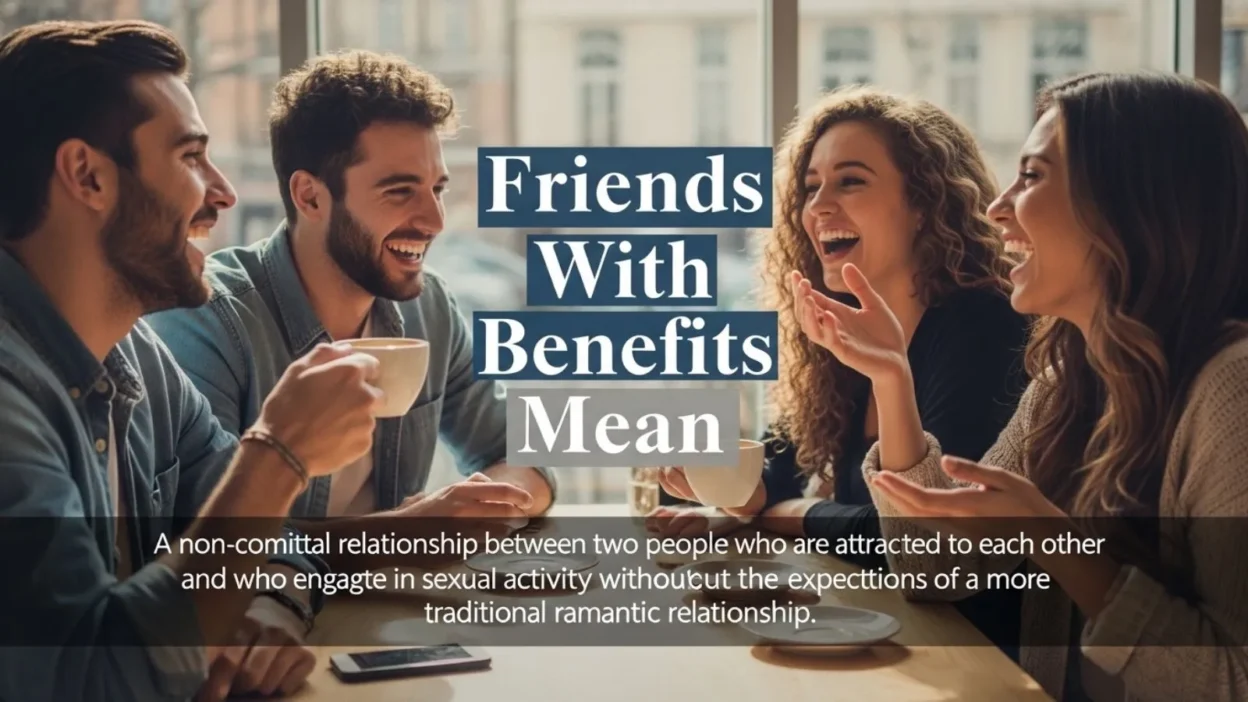
Essentially, a friends with benefits arrangement involves two people who maintain a friendship while engaging in sexual intimacy without the expectations of romance or commitment.
This type of casual relationship has become increasingly common among young adults and social media-savvy individuals seeking flexibility and freedom in their personal lives.
While FWB relationships can offer certain benefits, such as emotional independence and exploration of intimacy, they also carry potential risks like emotional attachment, jealousy, or misunderstandings.
Understanding the rules, boundaries, and dynamics of a friends with benefits relationship is key to navigating it safely and responsibly. In this guide, we’ll explore everything you need to know about FWB relationships.
Definition of Friends with Benefits (FWB)
A friends with benefits (FWB) relationship is a type of connection where two friends engage in sexual activity without the expectations of a romantic or committed relationship. Unlike traditional dating, which often involves emotional intimacy, long-term plans, and commitment, a friends with benefits arrangement focuses primarily on physical intimacy while maintaining a friendship. In simple terms, it is a casual relationship where both parties agree on keeping emotions separate and not developing romantic obligations.
It’s important to note that FWB does not mean a casual hookup in the typical sense. While hookups are often one-time encounters with strangers or acquaintances, friends with benefits usually involves an ongoing relationship with someone you already know and trust. This familiarity often makes communication and mutual understanding easier, which is a key factor in sustaining a healthy FWB dynamic.
Friends with benefits relationships can vary widely depending on personal boundaries, emotional readiness, and mutual agreement. Some FWB relationships may involve regular meet-ups, while others are more spontaneous. The key element is consent and clarity—both parties must agree on the terms of the relationship, including the level of physical intimacy, social interaction, and what happens if one person develops romantic feelings.
Understanding the definition and rules of FWB is the first step toward navigating this type of relationship responsibly and avoiding emotional complications. By defining expectations clearly, individuals can enjoy the benefits of FWB while minimizing the potential risks.
Key Features of a Friends with Benefits Relationship
1. Lack of Romantic Commitment:
The most notable feature of an FWB relationship is the absence of romantic expectations. Both parties agree that there is no long-term commitment, engagement, or emotional obligations. While friendship remains important, romance is intentionally excluded.
2. Physical Intimacy Without Emotional Attachment:
FWB relationships are primarily based on sexual intimacy. Physical interactions are central, but emotional attachment is minimized. Both individuals understand that intimacy does not equate to love or a deeper emotional bond.
3. Flexible Boundaries and Communication:
Successful FWB arrangements rely on clear communication. Both friends set boundaries regarding frequency of meetings, exclusivity, and what is acceptable behavior outside the arrangement. Flexibility is common, but clarity prevents misunderstandings and emotional complications.
4. Mutual Consent and Understanding:
Consent is a cornerstone of any FWB relationship. Both parties must agree to the arrangement freely, understand its limitations, and respect each other’s boundaries. This mutual understanding ensures the friendship remains intact while engaging in intimacy.
5. Friendship as the Foundation:
Unlike random hookups, FWB relationships are built on pre-existing trust and friendship. This foundation provides comfort, safety, and a level of familiarity that helps both parties navigate the relationship responsibly.
Benefits of a Friends with Benefits Arrangement
1. Emotional Freedom and Independence:
One of the main advantages of FWB relationships is the absence of traditional romantic obligations. Without the pressure of long-term commitment, individuals can maintain their independence, focus on personal goals, and enjoy companionship on their own terms.
2. Safe Exploration of Intimacy:
FWB arrangements allow partners to explore physical intimacy in a trusting and familiar environment. Since the relationship is based on friendship, both parties usually feel safer and more comfortable communicating desires, boundaries, and preferences.
3. Reduced Pressure Compared to Dating:
Unlike romantic relationships, which often come with expectations for emotional investment, future planning, and exclusivity, FWB arrangements focus primarily on companionship and physical connection. This reduces stress, allowing individuals to enjoy the relationship without emotional strain.
4. Strengthening Friendships (When Managed Well):
Although it may seem counterintuitive, a well-managed FWB relationship can sometimes strengthen the underlying friendship. Clear communication, mutual respect, and honesty help maintain trust while allowing both friends to benefit from intimacy.
5. Flexibility in Social Life:
FWB relationships are adaptable to each person’s schedule and lifestyle. There is less expectation for constant interaction, making it easier to balance work, personal commitments, and social life.
Risks and Challenges of FWB Relationships
While friends with benefits (FWB) relationships can offer freedom and intimacy, they also come with potential risks and challenges. Understanding these drawbacks is crucial to navigating FWB arrangements responsibly.
1. Emotional Attachment:
Even if both parties agree on keeping things casual, feelings can develop over time. One friend may begin to desire more emotional intimacy or romantic commitment, creating an imbalance and potential heartbreak.
2. Miscommunication and Mixed Signals:
Without clear boundaries and honest communication, misunderstandings are common. Confusion about the nature of the relationship or expectations can lead to tension, resentment, or the deterioration of the underlying friendship.
3. Jealousy:
Jealousy can arise if one partner starts dating someone else or spends time with other potential partners. Unlike committed relationships, FWB arrangements lack formal agreements, making it more challenging to navigate these feelings.
4. Social Stigma:
FWB relationships can be judged negatively by peers, family, or society. Some people may not understand the arrangement, which can lead to social pressure or embarrassment.
5. Potential Impact on Mental Health:
When boundaries are not respected or emotional attachment develops unevenly, participants may experience stress, anxiety, or lowered self-esteem. Awareness and communication are key to minimizing these effects.
6. Ending the Relationship:
Ending a FWB relationship can be awkward, especially if emotional attachments have formed. Without proper handling, the friendship itself may suffer or end entirely.
Signs You’re in a Friends with Benefits Relationship
1. Lack of Romantic Commitment:
If there is no expectation of exclusivity, long-term planning, or romantic gestures, you might be in a FWB arrangement. Unlike dating, the relationship focuses on friendship and physical intimacy rather than emotional attachment.
2. Primary Focus on Physical Intimacy:
Sex or physical connection is the central part of your interaction, while emotional conversations or romantic bonding are limited. You enjoy spending time together, but your connection is largely casual.
3. Flexibility and Informal Communication:
FWB relationships are often spontaneous and flexible. Meet-ups are scheduled based on convenience rather than routine, and communication may focus on logistics or casual check-ins rather than deep emotional discussions.
4. Mutual Understanding of Boundaries:
Both parties generally understand that the relationship doesn’t involve romantic obligations. You know the rules, such as whether seeing other people is allowed, and both respect each other’s personal lives.
5. Limited Social Integration:
Friends with benefits may not always participate in each other’s broader social circles. For example, meeting family or attending significant events together is uncommon.
6. Comfort With Casual Ending:
Both individuals can separate the friendship and intimacy if one wants to end the arrangement, without significant drama or expectation of continuing romance.
FWB vs Dating: Key Differences
While friends with benefits (FWB) relationships and dating may seem similar at first glance, there are key differences in expectations, emotional involvement, and long-term goals. Understanding these differences helps individuals navigate modern relationships more effectively.
1. Commitment Level:
Dating typically involves a higher level of commitment. Partners often invest in the relationship with the expectation of exclusivity, emotional support, and long-term plans. In contrast, FWB arrangements prioritize friendship and sexual intimacy without commitment, allowing both individuals to maintain independence.
2. Emotional Involvement:
Romantic relationships encourage emotional bonding, vulnerability, and support. Partners share personal experiences, feelings, and future goals. FWB relationships, on the other hand, minimize emotional intimacy
FWB vs Dating: Key Differences
1. Commitment Level:
Dating usually involves long-term expectations. Partners often anticipate exclusivity, emotional support, and future planning. In contrast, FWB relationships focus on friendship and physical intimacy without romantic commitment. Both parties maintain independence and flexibility.
2. Emotional Involvement:
Romantic relationships encourage deep emotional bonding. Partners share feelings, personal experiences, and life goals. FWB arrangements, however, minimize emotional involvement. While friendship remains, emotional attachment is limited, and intimacy is primarily physical.
3. Frequency and Nature of Interaction:
Dating often requires regular communication and quality time, including social activities, dates, and family events. FWB relationships are more flexible, with interactions typically focused on convenience and mutual desire for intimacy rather than building a shared life.
4. Long-Term Expectations:
Dating generally carries expectations of growth, commitment, and potential future together. FWB relationships have no such long-term expectations; both parties understand that the arrangement is temporary or adaptable based on mutual needs.
5. Social Integration:
Romantic partners often meet each other’s friends, families, and social networks. In FWB arrangements, such integration is limited or non-existent, reflecting the casual nature of the relationship.
Tips for Maintaining a Healthy Friends with Benefits Relationship
1. Communicate Clearly and Honestly:
Open communication is essential. Both friends should discuss their expectations, boundaries, and limitations upfront. Regular check-ins can prevent misunderstandings and ensure the arrangement continues to meet both parties’ needs.
2. Set Boundaries:
Establish clear boundaries regarding emotional involvement, sexual intimacy, and social interactions. Decide whether exclusivity is required, how often you meet, and what is acceptable in terms of outside relationships. Respecting these boundaries is crucial to avoid emotional complications.
3. Manage Emotional Expectations:
Be aware of your feelings and those of your partner. FWB relationships work best when both individuals understand that intimacy does not imply romantic commitment. If emotional attachment begins to grow, address it promptly to prevent misunderstandings or hurt feelings.
4. Maintain Mutual Respect:
Treat your FWB partner with respect and consideration. Consent, comfort, and personal space should always be prioritized. Respecting each other’s lifestyle and decisions strengthens both the friendship and the arrangement.
5. Know When to End the Arrangement:
Sometimes FWB relationships naturally come to an end due to changes in feelings or life circumstances. Ending the relationship gracefully preserves the underlying friendship and ensures both parties feel respected.
6. Keep Friendship a Priority:
Remember that friendship is the foundation of a healthy FWB relationship. Regularly nurturing your friendship outside of intimacy helps maintain balance and prevents the arrangement from negatively impacting your bond.
Frequently Asked Questions (FAQ) about Friends with Benefits
1. Can FWB Turn into a Romantic Relationship?
Yes, it’s possible, but not guaranteed. Sometimes, emotional attachment grows over time, leading to a romantic connection. However, both parties must openly communicate feelings to avoid misunderstandings or hurt.
2. Is FWB Emotionally Harmful?
FWB relationships can be emotionally challenging if boundaries are unclear or if one person develops feelings. Regular communication, honesty, and mutual respect reduce emotional risks. It’s essential to be self-aware and check in on your feelings.
3. How Do You End a FWB Relationship Gracefully?
Ending a FWB relationship should involve honesty and kindness. Clearly explain your reasons, whether due to changing feelings or life circumstances, while ensuring the friendship is respected. Avoid ghosting or abrupt endings.
4. Can You Have Multiple FWB Partners?
Some individuals choose to engage with multiple FWB partners. This is acceptable as long as all parties are aware, consent is given, and boundaries are respected. Transparency prevents jealousy and conflict.
5. How to Handle Jealousy in FWB?
Jealousy can occur if one partner dates someone else or forms attachments outside the arrangement. Open discussion, clear boundaries, and mutual respect help manage jealousy effectively.
6. How Do You Know if FWB is Right for You?
FWB relationships suit those seeking intimacy without commitment and who can separate emotional attachment from physical connection. Understanding personal boundaries and emotional readiness is key before entering this type of arrangement.
Conclusion
Friends with benefits (FWB) relationships have become a common part of modern dating, offering flexibility, intimacy, and companionship without traditional romantic obligations.
While these arrangements can provide freedom and emotional independence, they also carry potential challenges such as emotional attachment, miscommunication, and jealousy.
The key to a successful FWB relationship lies in clear communication, mutual consent, and respect for boundaries. Understanding the signs, rules, and differences between FWB and dating helps individuals navigate these relationships responsibly.
By prioritizing honesty, setting limits, and maintaining the underlying friendship, participants can enjoy the benefits of physical intimacy while minimizing risks.
Ultimately, FWB relationships are not inherently right or wrong they are a personal choice. Making informed decisions and respecting oneself and the other person ensures a healthy, balanced, and mutually satisfying arrangement in today’s evolving social landscape.

I’m the mind behind Jokesattack.com, your go-to place for daily laughs, clever puns, and hilarious memes. Spreading smiles one joke at a time!