
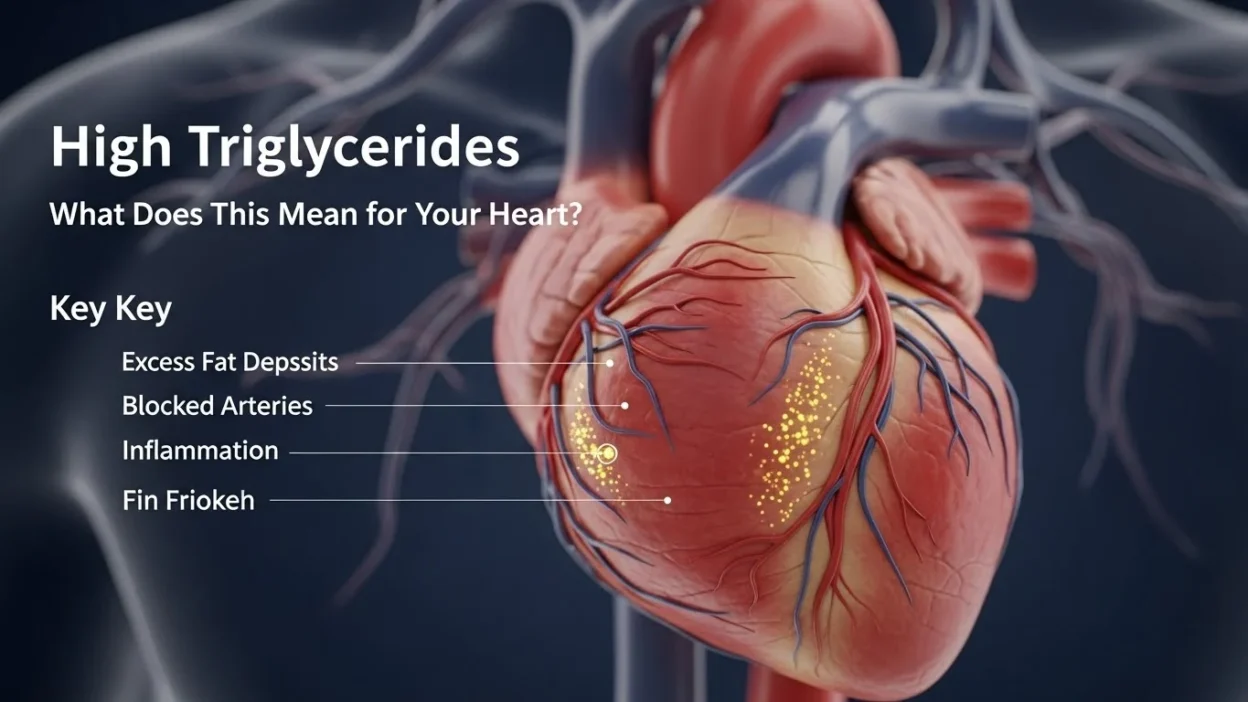
High triglycerides are a common yet often misunderstood health concern that many people overlook until it’s too late. Triglycerides are a type of fat found in your blood, and your body uses them for energy.
While they are essential for normal bodily functions, having too many triglycerides can increase the risk of serious health problems, including heart disease, stroke, and pancreatitis.
Many people are confused about what “high triglycerides” really mean, how they happen, and what steps to take if their levels are elevated. Understanding your triglyceride levels is crucial for managing your overall health, especially if you have a family history of heart disease, diabetes, or obesity.
In this article, we will explain what high triglycerides mean, the causes, symptoms, health risks, and effective ways to lower them through diet, lifestyle, and medical treatment.
What Are Triglycerides?
Triglycerides are a type of fat, or lipid, found in your blood. They are the most common form of fat in the body and serve as a major source of energy. When you eat, your body converts extra calories, especially from sugars and fats, into triglycerides, which are then stored in fat cells. Later, hormones release these triglycerides for energy between meals.
It’s important to understand that triglycerides are different from cholesterol, although both are fats in the blood. Cholesterol is used to build cells and certain hormones, while triglycerides primarily provide energy. High levels of triglycerides can be harmful because they contribute to the hardening and narrowing of arteries, increasing the risk of heart disease and stroke.
Triglycerides are influenced by multiple factors, including diet, physical activity, genetics, and underlying health conditions like diabetes or thyroid disorders. For example, consuming excess sugar or alcohol can cause your triglyceride levels to rise. On the other hand, regular exercise, a balanced diet, and maintaining a healthy weight can help keep them in check.
Knowing your triglyceride levels is essential because high triglycerides are often silent, showing no symptoms until serious complications occur. A simple blood test can determine if your triglycerides are within a healthy range, helping you take early action to protect your heart and overall health.
High Triglycerides Meaning in Blood Test
High triglycerides in a blood test refer to an elevated level of triglycerides, which are a type of fat found in your bloodstream. Triglycerides are created when your body converts extra calories—especially from sugary and fatty foods—into stored energy. While they play an important role in providing energy, too much of this fat in the blood can become a health concern. A triglyceride test is usually part of a lipid profile, which helps evaluate heart health and overall risk for cardiovascular problems.
Triglyceride levels are measured in milligrams per deciliter (mg/dL). Health experts, including the American Heart Association, consider levels below 150 mg/dL as normal. Levels between 150–199 mg/dL are borderline high, 200–499 mg/dL are high, and 500 mg/dL or more are very high. When triglyceride levels rise above normal, the risk of heart disease, stroke, and other cardiovascular conditions may increase, especially if combined with high LDL cholesterol or low HDL cholesterol.
Several factors can cause high triglycerides. Poor diet, lack of exercise, obesity, smoking, and excessive alcohol intake are common lifestyle-related causes. Certain medical conditions such as diabetes, hypothyroidism, kidney disease, and genetic lipid disorders can also contribute. In many cases, high triglycerides do not cause noticeable symptoms, which is why regular blood tests are important for early detection.
Managing high triglycerides usually involves lifestyle changes. Eating a balanced diet rich in fruits, vegetables, whole grains, and healthy fats can help lower levels. Reducing sugar and refined carbohydrate intake is particularly important. Regular physical activity, weight management, and limiting alcohol consumption also play a key role. In some cases, doctors may prescribe medication to control triglyceride levels.
Overall, high triglycerides in a blood test signal an imbalance in blood fats that may increase long-term health risks. Understanding your test results and taking preventive steps can significantly improve heart health and overall well-being.
It Means When You Have Elevated Triglycerides
Elevated triglycerides are more than just a number on a blood test; they indicate how your body is processing fats and can signal potential health risks. Triglycerides are a type of fat found in your blood, and having them at higher-than-normal levels can affect your heart, liver, and overall metabolism. Understanding what elevated triglycerides mean is essential for maintaining long-term health and preventing complications.
One of the most significant concerns with high triglycerides is cardiovascular health. Elevated levels can contribute to the hardening or thickening of arteries, increasing the risk of heart disease, stroke, and heart attacks. Doctors often monitor triglyceride levels alongside cholesterol to get a complete picture of heart health and to recommend lifestyle or medical interventions if necessary.
Lifestyle factors play a major role in triglyceride levels. Diets high in sugar, refined carbohydrates, and unhealthy fats can elevate triglycerides, while regular exercise, balanced nutrition, and maintaining a healthy weight can help lower them. Alcohol consumption and certain medications can also affect triglyceride levels, highlighting the importance of a holistic approach to management.
Genetics and underlying health conditions are another crucial aspect. Some people have naturally higher triglycerides due to family history, while conditions like diabetes, hypothyroidism, and metabolic syndrome can further increase levels. Understanding your personal risk factors helps in creating an effective plan for management and prevention.
Healthcare providers often combine medical guidance with lifestyle changes to reduce triglycerides. This may include prescribing medications such as fibrates, statins, or omega-3 supplements in addition to dietary modifications. Regular monitoring and proactive management can significantly reduce the risk of complications and improve overall well-being.
Overall, having elevated triglycerides is a warning sign that your body may be struggling with fat metabolism, but with awareness, lifestyle adjustments, and medical support, it is manageable. Addressing elevated triglycerides early can protect your heart, liver, and long-term health, ensuring a healthier and more balanced life.
What Does High Triglycerides Mean? Quick Answer
High triglycerides mean that the amount of fat in your blood is above the normal range. Triglyceride levels are measured in milligrams per deciliter (mg/dL), and doctors use these numbers to assess your risk for heart disease and other health problems. While triglycerides are essential for energy, too much in the blood can increase the risk of atherosclerosis, where arteries become narrow and stiff, potentially leading to heart attack or stroke.
Here’s a quick reference table for triglyceride levels:
| Category | Triglyceride Level (mg/dL) |
|---|---|
| Normal | Less than 150 |
| Borderline High | 150–199 |
| High | 200–499 |
| Very High | 500 or higher |
If your triglyceride levels fall into the “high” or “very high” categories, it’s a signal that changes may be needed in your diet, exercise habits, or medical management. High triglycerides are often linked with other conditions such as obesity, metabolic syndrome, type 2 diabetes, or excessive alcohol consumption.
It’s important to remember that high triglycerides often do not cause noticeable symptoms. Many people only discover their levels during routine blood tests. That’s why regular testing is critical, especially if you have risk factors like a family history of heart disease or lifestyle habits that can elevate triglycerides. Understanding what high triglycerides mean allows you to take early action and prevent long-term complications.
Causes of High Triglycerides
High triglycerides can result from a combination of lifestyle factors, medical conditions, and genetics. Understanding the causes is essential to managing and preventing elevated levels.
1. Diet:
Consuming too many calories, especially from sugary foods, refined carbohydrates, and unhealthy fats, is a major contributor. Excess sugar and simple carbs are converted into triglycerides by the liver, which are then stored in fat cells. Overconsumption of alcohol can also raise triglyceride levels significantly.
2. Obesity and Sedentary Lifestyle:
Being heavier person, particularly around the abdomen, increases triglyceride levels. Lack of regular physical activity reduces your body’s ability to metabolize fats efficiently, contributing to elevated triglycerides.
3. Medical Conditions:
Certain health issues can lead to high triglycerides. These include type 2 diabetes, metabolic syndrome, hypothyroidism, kidney disease, and liver conditions. People with insulin resistance often have higher triglyceride levels as well.
4. Genetics:
Some people inherit conditions like familial hypertriglyceridemia, which causes naturally high triglycerides regardless of lifestyle. A family history of heart disease or high cholesterol may increase your risk.
5. Medications:
Some prescription drugs can elevate triglycerides, including corticosteroids, beta-blockers, diuretics, and estrogen therapy. It’s important to review medication side effects with a healthcare provider.
Symptoms of High Triglycerides
High triglycerides are often called a “silent condition” because most people do not experience any noticeable symptoms. Many individuals only discover elevated levels during routine blood tests. However, in severe cases or when levels are extremely high, certain symptoms can appear and indicate the need for urgent medical attention.
1. No Symptoms in Mild Cases:
Most people with moderately high triglycerides do not feel unwell. This is why regular blood tests are essential, especially for those with risk factors like obesity, diabetes, or a family history of heart disease.
2. Severe Triglyceride Elevation:
When triglyceride levels rise above 500 mg/dL, there is a significant risk of pancreatitis, a potentially life-threatening inflammation of the pancreas. Symptoms may include:
- Severe abdominal pain
- Nausea and vomiting
- Fever and rapid heartbeat
3. Physical Signs:
In some cases, high triglycerides can cause visible changes in the body, such as:
- Xanthomas: Small, yellowish fatty deposits under the skin, often around the elbows, knees, or eyes.
- Lipemia retinalis: A rare condition where blood vessels in the retina appear milky.
4. Indirect Symptoms:
High triglycerides are often associated with other conditions like metabolic syndrome, which can include high blood pressure, excess abdominal fat, and elevated blood sugar levels.
How Are Triglycerides Tested?
1. Fasting vs Non-Fasting Tests:
Traditionally, doctors recommended fasting for 9–12 hours before testing triglycerides to get accurate results. During fasting, no food or caloric beverages are consumed, allowing for a clear measurement of baseline triglyceride levels. Recently, non-fasting tests have also become acceptable in many cases, though extremely high triglyceride levels may still require fasting confirmation.
2. How the Test Works:
A healthcare professional draws a small blood sample, usually from a vein in your arm. The sample is sent to a laboratory where triglyceride concentration is measured in milligrams per deciliter (mg/dL).
3. Understanding the Results:
Triglyceride levels are categorized as:
- Normal: less than 150 mg/dL
- Borderline High: 150–199 mg/dL
- High: 200–499 mg/dL
- Very High: 500 mg/dL or higher
4. Frequency of Testing:
Adults should have their triglycerides checked at least once every four to six years as part of routine health screenings. People with risk factors—such as obesity, diabetes, high blood pressure, or a family history of heart disease—may need more frequent testing.
5. Tips for Accurate Results:
Avoid alcohol and limit fatty foods for 24 hours before the test. Inform your doctor about any medications that may affect triglyceride levels.
Health Risks of High Triglycerides
High triglycerides can pose serious health risks, especially when levels remain elevated over time. While triglycerides are essential for energy, too much in the bloodstream can lead to complications affecting the heart, pancreas, and overall metabolism.
1. Cardiovascular Disease:
Excess triglycerides contribute to atherosclerosis, a condition where arteries become narrow and stiff due to fatty deposits. This increases the risk of heart attack, stroke, and coronary artery disease. High triglycerides often occur alongside high cholesterol and other risk factors, compounding the threat to cardiovascular health.
2. Pancreatitis:
Extremely high triglyceride levels, usually above 500 mg/dL, can trigger pancreatitis, a dangerous inflammation of the pancreas. Symptoms include severe abdominal pain, nausea, vomiting, and fever. Pancreatitis can become life-threatening if not treated promptly.
3. Metabolic Syndrome and Diabetes:
Elevated triglycerides are a key component of metabolic syndrome, which also includes high blood pressure, high blood sugar, and excess abdominal fat. People with metabolic syndrome are at increased risk of developing type 2 diabetes and heart disease.
4. Liver and Kidney Damage:
Chronically high triglycerides can contribute to fatty liver disease, which may lead to liver inflammation and scarring. In some cases, kidney function can also be affected indirectly due to associated health conditions like diabetes and high blood pressure.
5. Silent Nature of the Risk:
One of the most dangerous aspects of high triglycerides is that they often cause no symptoms until serious complications arise. Regular testing and early intervention are crucial for minimizing long-term health risks.
How to Lower Triglycerides Naturally
Lowering triglycerides naturally is possible through a combination of healthy eating, regular exercise, and lifestyle adjustments. Small changes can make a significant difference in your blood fat levels and overall cardiovascular health.
1. Improve Your Diet:
Reducing sugar and refined carbohydrates is key. Foods like white bread, pastries, sugary drinks, and candy can increase triglycerides. Focus on whole grains, vegetables, fruits, and lean proteins. Incorporate healthy fats from sources such as olive oil, avocados, and nuts, which can help improve lipid balance.
2. Exercise Regularly:
Physical activity helps your body use triglycerides for energy, lowering their levels in the blood. Aim for at least 30–60 minutes of moderate aerobic exercise, like walking, swimming, or cycling, most days of the week. Resistance training also supports healthy metabolism.
3. Limit Alcohol:
Alcohol can significantly raise triglyceride levels, especially in people who already have high readings. Cutting back or avoiding alcohol altogether can make a noticeable difference.
4. Maintain a Healthy Weight:
Losing even 5–10% of body weight can reduce triglycerides. A balanced diet combined with regular exercise is the most effective approach for weight management.
5. Add Beneficial Foods:
Omega-3 fatty acids found in fish like salmon, mackerel, and sardines can lower triglycerides. High-fiber foods, such as oats, beans, and vegetables, also help regulate blood fats.
6. Lifestyle Habits:
Adequate sleep, stress management, and avoiding smoking support overall cardiovascular health and help maintain healthy triglyceride levels.
Medical Treatments for High Triglycerides
While lifestyle changes are the first line of defense, some people may need medication to lower triglycerides, especially when levels are very high or if lifestyle measures alone are insufficient. Medical treatments help reduce the risk of heart disease, pancreatitis, and other complications associated with elevated triglycerides.
1. Fibrates:
These medications, such as fenofibrate and gemfibrozil, are effective in lowering triglycerides by reducing liver production of triglycerides and increasing their breakdown. They are often prescribed for patients with very high triglyceride levels.
2. Statins:
Commonly used to lower cholesterol, statins like atorvastatin and simvastatin can also modestly reduce triglyceride levels while providing additional heart-protective benefits.
3. Niacin (Vitamin B3):
Niacin can lower triglycerides and raise HDL (good cholesterol). However, it may cause side effects like flushing, so it is used under medical supervision.
4. Prescription Omega-3 Fatty Acids:
High doses of omega-3 supplements derived from fish oil can significantly reduce triglycerides. They are particularly useful for patients with very high levels or metabolic syndrome.
5. Monitoring and Combination Therapy:
Doctors often combine medications with lifestyle changes for the best results. Regular blood tests are necessary to track progress and adjust treatment as needed.
6. When Treatment Is Necessary:
Medication is usually recommended for triglyceride levels above 500 mg/dL or for patients with additional risk factors like heart disease or diabetes.
High Triglycerides in Children and Teens
High triglycerides are not just an adult problem they can also affect children and teens. With rising rates of childhood obesity and poor dietary habits, elevated triglyceride levels are becoming increasingly common in younger populations.
1. Causes in Children and Teens:
Diet plays a major role. High consumption of sugary drinks, fast food, processed snacks, and refined carbohydrates can increase triglyceride levels. Lack of physical activity also contributes, as sedentary habits reduce the body’s ability to burn fat efficiently. Genetic factors, such as familial hypertriglyceridemia, may predispose some children to high triglycerides even with a healthy lifestyle. Medical conditions like type 2 diabetes or hypothyroidism can further elevate triglyceride levels.
2. Health Risks:
Elevated triglycerides in youth are linked to early signs of cardiovascular disease, including high blood pressure and atherosclerosis. Children with high triglycerides may also be at greater risk of developing metabolic syndrome or type 2 diabetes later in life.
3. Prevention and Management:
Healthy lifestyle habits are key. Encouraging regular physical activity, limiting sugary foods and drinks, and promoting balanced meals with whole grains, fruits, vegetables, and lean proteins can help manage triglyceride levels. Family involvement is crucial, as parental guidance and modeling healthy behaviors greatly influence children’s habits.
4. Medical Monitoring:
Pediatricians may recommend periodic blood tests for children at risk, especially if there is a family history of high triglycerides or early heart disease. Early detection allows interventions that can prevent long-term health complications.
FAQs:
1. Can high triglycerides cause immediate symptoms?
In most cases, no. High triglycerides are often silent and discovered only through blood tests. Severe symptoms typically occur only when triglyceride levels are extremely high, potentially leading to pancreatitis.
2. How quickly can lifestyle changes lower triglycerides?
With consistent diet modifications, regular exercise, and weight management, triglyceride levels can start improving within a few weeks. Significant reductions usually appear within a few months.
3. Are high triglycerides hereditary?
Yes, genetics can play a role. Familial hypertriglyceridemia is a condition where triglyceride levels are naturally elevated due to inherited traits. Even with a healthy lifestyle, people with this condition may need medical intervention.
4. Can normal triglycerides still pose risks?
Normal triglyceride levels generally indicate lower risk, but other factors such as cholesterol, blood pressure, and lifestyle habits also influence overall heart health. Maintaining a balanced diet and active lifestyle is always recommended.
5. How often should triglycerides be checked?
Adults should have their triglycerides tested every four to six years as part of routine health screenings. People with risk factors such as obesity, diabetes, or a family history of heart disease may require more frequent testing.
6. Can medications help if lifestyle changes aren’t enough?
Doctors may prescribe fibrates, statins, niacin, or prescription omega-3 fatty acids to lower triglycerides in combination with lifestyle changes.
Conclusion:
High triglycerides are a common but often overlooked health concern. While triglycerides are essential for energy and overall bodily functions, excessive levels can silently increase the risk of serious conditions such as heart disease, stroke, and pancreatitis.
Many people do not experience symptoms, which is why regular blood tests are critical for early detection. Understanding what high triglycerides mean, their causes, and associated health risks is the first step toward managing them effectively.
Lifestyle changes remain the most effective way to control triglycerides. A balanced diet rich in whole grains, fruits, vegetables, and lean proteins, combined with regular exercise, weight management, and limiting alcohol, can significantly reduce triglyceride levels.
For those with very high levels or underlying medical conditions, medications such as fibrates, statins, or prescription omega-3 fatty acids may be necessary.
Children and teens are not exempt from this condition, making early intervention and healthy habits essential for lifelong heart health. Preventing complications involves a combination of proper diet, physical activity, medical monitoring, and family involvement.
In summary, high triglycerides are a manageable condition if detected early and addressed proactively.
By understanding your triglyceride levels, adopting healthy lifestyle choices, and following medical guidance when needed, you can protect your heart, reduce health risks, and maintain overall well-being for the long term.
Regular monitoring, combined with consistent action, ensures that high triglycerides do not silently harm your health.
Discover More Articale
- What Does Tamiflu Do for Flu Treatment and Recovery? 2026
- What Does a Gallbladder Do and Why Is It Important? 2026
- What Does NPO Mean in Medical Terms: Complete Guide for 2026

I’m the author behind Jokesattack.com, where I share the funniest jokes, puns, and memes to make your day brighter with laughter. 😄🎉