
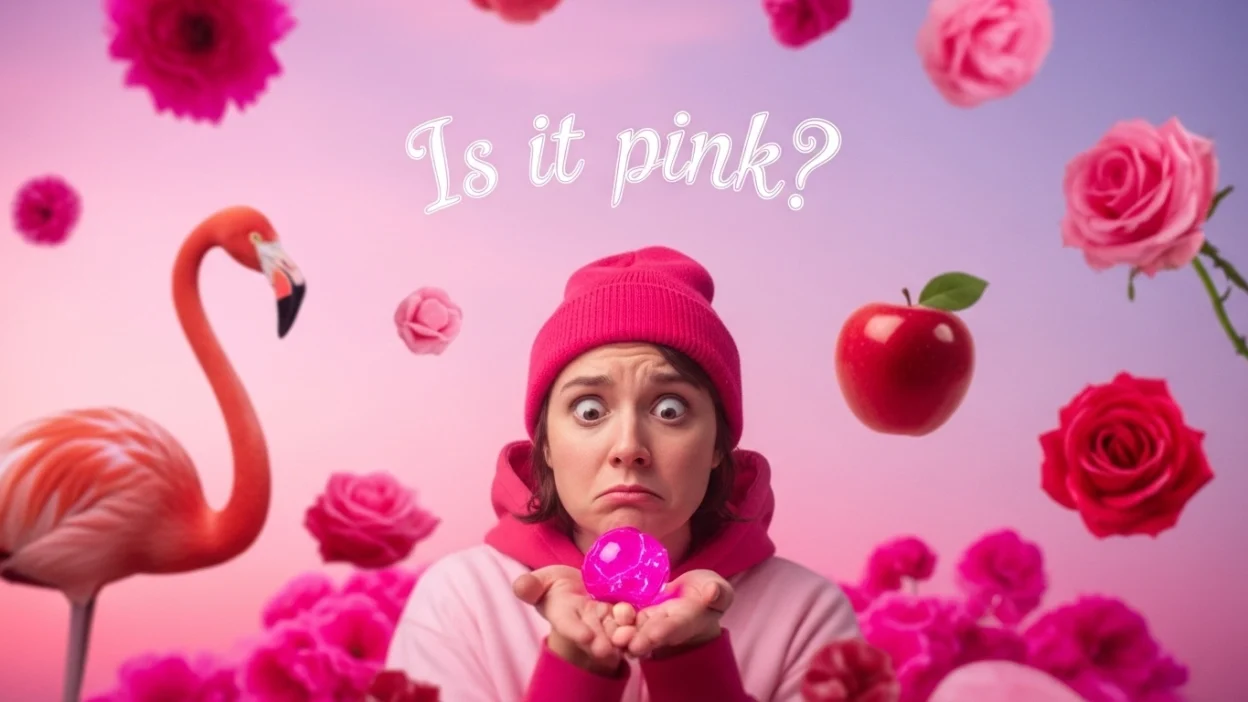
Have you ever wondered, “what does is it pink mean?” The phrase might seem simple, but its meaning can vary widely depending on context. Pink is more than just a color it carries emotional, cultural, psychological, and even spiritual significance.
In everyday life, “is it pink” could refer to the literal color of objects, clothing, or flowers, while in other situations, it may symbolize emotions like love, compassion, or calmness.
Some might even think of pink in health contexts, such as pregnancy tests or skin tone. Across different cultures, pink can represent romance, femininity, or nurturing energy, while in psychology, it’s often linked to warmth, positivity, and sensitivity.
This guide will explore every angle of “is it pink,” helping you understand its meanings in relationships, culture, health, and everyday experiences, so you can fully grasp why this simple color can carry such rich symbolism.
Psychological Meaning of Pink
Pink is often associated with emotions, feelings, and the mind, making its psychological meaning especially interesting. In color psychology, pink is considered a calming and nurturing color, often linked to love, warmth, and gentleness. People who are drawn to pink may have a sensitive and compassionate personality, expressing care and kindness toward others. This soft color can also influence moods, helping reduce feelings of anger, aggression, or stress, which is why pink is sometimes used in environments designed for relaxation, such as hospitals, therapy rooms, or bedrooms.
Beyond mood, pink has been studied for its subtle effects on behavior. For instance, lighter shades of pink are often associated with romance, tenderness, and affection, while brighter pinks can evoke energy and excitement without being overwhelming. The psychological impact of pink also extends to self-perception—people surrounded by pink may feel more optimistic, friendly, and approachable.
In practical terms, noticing “is it pink” in your surroundings could reveal how your environment affects your emotions or how others perceive you. For example, wearing pink clothing may convey warmth and openness, while pink décor can create a calming, welcoming atmosphere. Understanding the psychological meaning of pink helps explain why this color is so universally appealing and why the simple question, “is it pink?” can carry deeper emotional significance.
Pink in Relationships and Personality
Pink is widely recognized as a color that symbolizes love, care, and emotional connection, making it especially significant in relationships. People often associate pink with romance, affection, and tenderness, which is why it’s commonly seen in gifts, flowers, and décor for partners. Those who are drawn to pink may naturally express warmth, empathy, and nurturing tendencies, creating stronger bonds in friendships and romantic connections.
In terms of personality, individuals who favor pink often have a gentle, sensitive, and approachable nature. They tend to prioritize harmony and emotional well-being, showing kindness and support to those around them. Interestingly, pink can also influence social perception—someone wearing pink may be seen as friendly, loving, or compassionate, which can make first impressions softer and more inviting.
Pink’s significance in relationships is not limited to personal interactions. Cultural expressions, such as pink heart emojis or pink-themed events, reinforce its association with love and care. Even in professional or social settings, subtle pink accents can foster feelings of trust and positivity.
Understanding the role of pink in personality and relationships also helps explain why people often ask, “is it pink?”—it’s more than color; it’s a reflection of emotional tone and personal expression. By observing pink in relationships and personal choices, we gain insight into both emotional tendencies and social signals, revealing how this simple color can convey so much meaning.
Cultural and Historical Significance of Pink
Pink’s meaning has evolved significantly over time and varies widely across cultures. Historically, pink was not always considered a feminine color. Over time, especially in Western cultures, pink became more strongly associated with femininity, romance, and softness, shaping the way it is perceived today.
Across different cultures, pink carries diverse symbolism. In Japan, for example, pink is linked to spring, cherry blossoms, and renewal, representing fleeting beauty and optimism. In India, pink is often connected to festivities, celebration, and joy, seen in traditional clothing and decorations. Meanwhile, Western societies typically associate pink with love, nurturing, and affection, often emphasizing emotional warmth and care.
Modern interpretations of pink continue to evolve. In fashion, branding, and design, pink is now used not only to signify romance but also to challenge gender norms and promote creativity. Pink-themed campaigns often convey messages of empowerment, inclusivity, and positivity.
Understanding pink’s cultural and historical significance helps explain why the question, “is it pink?” can carry multiple layers of meaning. Depending on the setting, pink can communicate romance, energy, joy, or even social identity. By exploring pink’s rich cultural history, we gain a deeper appreciation for how this seemingly simple color has influenced emotions, behavior, and societal perceptions worldwide.
“Is It Pink?” in Everyday Life
The phrase “is it ” can often appear in everyday situations, both literally and figuratively. Literally, it may refer to objects, clothing, flowers, or food. For example, someone might ask if a shirt is before buying it, or notice that flowers in a garden are , evoking feelings of joy or admiration. in everyday items often conveys softness, playfulness, or warmth, making it a color that brightens daily life.
Figuratively, the phrase can take on emotional or symbolic meanings. Expressions like “feeling ” are used to describe happiness, vitality, or a sense of well-being, while “seeing ” may suggest optimism or a positive outlook. In this sense, goes beyond the visual—it becomes a reflection of mood and emotional state.
Even in practical scenarios, carries significance. For instance, in food, a hue can indicate freshness, like in salmon or certain fruits, while in cosmetics, a shade can symbolize youthfulness or vibrancy. Similarly, pink in décor or design often creates a welcoming and calming atmosphere in homes, offices, or social spaces.
Understanding how “is it ?” applies in daily life helps people connect color with emotion, perception, and context. Whether noticing a literal object or using the phrase figuratively, serves as a simple yet powerful signal of positivity, care, and warmth in everyday experiences.
Pink in Health and Science
Is not only a color with emotional and cultural significance but also plays an important role in health and science. In medical contexts, the appearance of can indicate vitality and proper circulation. For instance, healthy skin, lips, and nail beds often have a natural hue, signaling good oxygenation and blood flow. Conversely, changes in tones may alert individuals to potential health concerns, making it an important visual cue in wellness monitoring.
Pink is also commonly referenced in pregnancy tests, where a line typically signifies a positive result. This practical application shows how the color can carry life-changing information in everyday health situations. Beyond medical tests, is sometimes used in hospitals and therapy centers to create soothing environments. Research in color therapy suggests that can help reduce stress, anxiety, and aggression, promoting calmness and emotional balance.
From a scientific perspective, pnk results from the reflection of light from red and white pigments. Foods, flowers, and other objects appear due to these pigment interactions, which can influence perception and even appetite. In color psychology studies, exposure to shades has been shown to lower heart rates and create a sense of comfort and security.
Understanding in health and science demonstrates that the question “is it ?” can extend far beyond aesthetics. It’s a signal of vitality, well-being, and emotional balance, bridging the gap between perception, biology, and daily life.
Spiritual and Symbolic Meaning of Pink
Beyond psychology and everyday life, holds deep spiritual and symbolic significance. Spiritually, is often associated with love, compassion, and emotional healing. Many traditions view it as a color that encourages nurturing energy, forgiveness, and harmony, helping individuals connect with their inner selves and others. Those drawn to in spiritual practices may be naturally empathetic, caring, and inclined toward positive interactions.
Symbolically, often represents balance and gentle strength. It combines the energy of red with the purity of white, symbolizing a blend of passion and peace. This duality allows to convey both emotional warmth and clarity, making it a popular color in meditation, healing practices, and rituals focused on love or emotional well-being.
In dreams or intuitive experiences, seeing can also hold meaning. Dreaming of objects, environments, or even light may signify emotional fulfillment, optimism, or love in one’s life. Some spiritual interpretations link pink to the heart chakra, suggesting an emphasis on unconditional love, compassion, and emotional openness.
Understanding the spiritual and symbolic meaning of adds another layer to the question, “is it ?” It’s not just a visual observation—it can be a reflection of inner emotional states, personal growth, and spiritual balance. Recognizing these meanings can help individuals align their emotional, mental, and spiritual well-being, illustrating why is a color rich with significance across multiple dimensions of life.
FAQs:
1. What does “is it pink?” usually indicate?
The phrase can refer to literal color, emotional tone, or symbolic meaning. It often signals positivity, warmth, and care.
2. Does pink influence emotions positively?
Yes. Psychology studies show that can reduce stress and promote calmness. Lighter shades evoke tenderness, while brighter shades inspire energy and optimism.
3. Can pink have negative meanings?
While mostly positive, pink can sometimes symbolize naivety or over-sentimentality. Cultural context matters, and in some situations, excessive pink may be seen as superficial.
4. Is pink universally liked?
Preferences vary across individuals and cultures. While many associate with love and happiness, some may perceive it differently depending on personal experiences or societal influences.
5. What does pink symbolize in professional or social contexts?
in clothing or décor can communicate approachability, warmth, and creativity. It is often used in branding to convey friendliness, positivity, or care.
6. What about pink in dreams or spirituality?
Pink is linked to emotional healing, compassion, and heart-centered energy. Seeing in dreams may represent love, harmony, or optimism.
Conclusion
Pink is a color that carries rich and diverse meanings, making the simple question “is it pink?” much more than a visual observation.
Throughout history, culture, psychology, and spirituality, pink has been associated with love, compassion, tenderness, and emotional warmth.
Its psychological impact is notable: lighter shades of pink can calm the mind and reduce stress, while brighter tones can energize and uplift.
People who favor pink are often seen as empathetic, approachable, and nurturing, reflecting the color’s influence on personality and social perception.
Culturally, pink’s significance varies across the world. In some societies, it represents joy, celebration, or renewal, while in others, it symbolizes femininity, romance, or creativity.
Modern interpretations continue to evolve, with pink being used in fashion, design, and branding to convey positivity, inclusivity, and emotional balance.

I’m the author of Jokesattack.com, where humor meets creativity! Bringing you nonstop laughter with the best jokes, memes, and funny moments every day.