
Labor Day is often seen as a simple long weekend filled with barbecues, family gatherings, and retail sales. But beneath the festivities lies a rich history and deep significance that many overlook.
So, what does Day really? This holiday honors the hard work, dedication, and achievements of workers across the United States, recognizing the contributions of the labor movement that fought for fair wages, safer working conditions, and reasonable working hours.
First established in the late 19th century, Labor Day has evolved from its origins as a day of protest and advocacy into a national holiday celebrated with parades, ceremonies, and community events.
Understanding its history and purpose helps us appreciate the holiday beyond the leisure activities, highlighting the struggles and victories of workers that shaped modern labor laws. In this article, we’ll explore the origins, traditions, and lasting impact of Labor Day.
Quick Answer What Labor Day Celebrates
Labor Day is a holiday that honors the contributions and achievements of workers in the United States. At its core, it is a day to recognize the hard work, dedication, and resilience of laborers who have built and continue to sustain the nation’s economy. While many people associate Labor Day with barbecues, shopping sales, and a day off from work, its original purpose is far more meaningful. The holiday celebrates the labor movement, which emerged in the late 19th century to fight for workers’ rights, including fair wages, reasonable working hours, and safer working conditions.
Labor Day is also a reminder of the struggles that workers faced during the Industrial Revolution, when long hours, dangerous workplaces, and low pay were common. By establishing Labor Day as a national holiday, the government recognized the importance of workers and the contributions of organized labor in improving working conditions.
Today, Labor Day is observed through parades, speeches, community events, and ceremonies honoring workers. Schools, local organizations, and unions often hold events to educate the public about labor history. While it has become a day for relaxation and recreation, the essence of Labor Day remains a tribute to the efforts, rights, and achievements of workers nationwide.
The Origin of Labor Day
Labor Day in the United States has its roots in the late 19th century, during a time when industrialization was rapidly transforming the nation. Workers faced long hours, low pay, and dangerous working conditions in factories, mines, and mills. The labor movement emerged as workers began organizing strikes and forming unions to demand fair treatment and better workplace standards. These efforts eventually led to the recognition that laborers deserved a day to honor their contributions.
The first official Labor Day is believed to have been celebrated on September 5, 1882, in New York City, organized by the Central Labor Union. Workers paraded through the streets, showcasing their solidarity and advocating for better working conditions. Inspired by this event, other cities across the country began hosting similar celebrations.
Oregon became the first state to officially recognize Labor Day as a public holiday in 1887, and by 1894, it was declared a national holiday by President Grover Cleveland. The timing of the holiday, set on the first Monday of September, provided a long weekend and also helped distance it from International Workers’ Day, which is celebrated on May 1 in many other countries and often associated with labor protests.
The origin of Labor Day reflects a balance between celebration and recognition of workers’ struggles. What began as a grassroots movement to honor laborers and advocate for workers’ rights has grown into a nationwide holiday that not only commemorates the labor movement but also encourages reflection on the ongoing importance of fair work conditions.
Why We Celebrate Labor Day
Labor Day is celebrated to honor the contributions of workers and the labor movement that fought for fair treatment, reasonable hours, and safer working conditions. During the Industrial Revolution, the rapid growth of factories and urban industries often came at the expense of workers’ health and well-being. Many employees, including children, faced grueling work schedules of 10 to 16 hours a day, often in unsafe and unhealthy environments. The labor movement arose as workers organized strikes, protests, and unions to demand justice, fair wages, and workplace reforms.
The holiday serves as a recognition of these efforts and the victories achieved through collective action. By celebrating Labor Day, society acknowledges the critical role workers play in building and sustaining the economy. It is also a reminder of the progress made in labor rights, such as the establishment of the eight-hour workday, minimum wage laws, workplace safety standards, and protection against unfair labor practices.
Beyond its historical significance, Labor Day encourages reflection on current labor issues. It reminds us that the fight for fair treatment in the workplace continues today in many forms, from advocating for equal pay and benefits to improving working conditions in modern industries. The celebration of Labor Day not only honors past achievements but also highlights the ongoing importance of valuing, respecting, and supporting workers across all sectors.
Labor Day Around the World
While Labor Day in the United States is celebrated on the first Monday of September, many countries around the world honor workers on May 1, known as International Workers’ Day or May Day. This date was chosen to commemorate the Haymarket affair in Chicago in 1886, a pivotal event in labor history that highlighted the struggles of workers fighting for the eight-hour workday. Across the globe, May Day has become a day of solidarity, demonstrations, and celebrations of workers’ achievements.
In countries like the United Kingdom, Germany, and France, Labor Day is observed with marches, rallies, and public speeches. It often serves as a platform for advocating workers’ rights, fair wages, and social justice. In contrast, countries such as Canada and Australia, like the U.S., their Day on different dates, often in September or October, with parades, festivals, and family gatherings.
The cultural approach to Labor Day varies widely. In some nations, it is a serious occasion that highlights labor movements and social advocacy, while in others, it has become a more relaxed holiday associated with picnics, community events, and national ceremonies. Despite these differences, the underlying purpose remains the same: recognizing the contributions of workers and promoting the importance of fair labor practices.
By understanding Labor Day from a global perspective, we can appreciate the universal value of honoring workers. It reminds us that the fight for labor rights is not confined to one country but is a shared struggle and achievement that resonates worldwide.
Modern Significance of Labor Day
Today, Labor Day is often associated with a long weekend, barbecues, and sales, but its modern significance goes far beyond leisure and shopping. The holiday serves as a reminder of the vital role that workers play in society and the economy. It encourages reflection on the achievements of the labor movement and the ongoing efforts to protect workers’ rights, fair wages, and safe working conditions.
Labor Day also highlights the importance of unions and labor organizations, which continue to advocate for employees in diverse industries. From securing better benefits and healthcare to negotiating flexible work arrangements, unions play a critical role in maintaining fair and equitable workplaces. In addition, Labor Day prompts discussion about modern labor issues, such as gig economy rights, workplace discrimination, wage inequality, and employee mental health.
For businesses and communities, Labor Day offers an opportunity to recognize and appreciate their workforce. Companies often use this day to celebrate employees through events, recognition programs, or time off, reinforcing morale and productivity. Similarly, community organizations may hold parades, ceremonies, or educational programs to honor labor contributions and teach younger generations about the significance of workers’ rights.
Ultimately, the modern significance of Labor Day lies in its dual purpose: it provides a break for relaxation while simultaneously honoring the enduring legacy of the labor movement. By acknowledging both historical and contemporary labor contributions, the holiday reinforces the value of work and the ongoing pursuit of fair and just treatment for all employees.
Common Labor Day Traditions
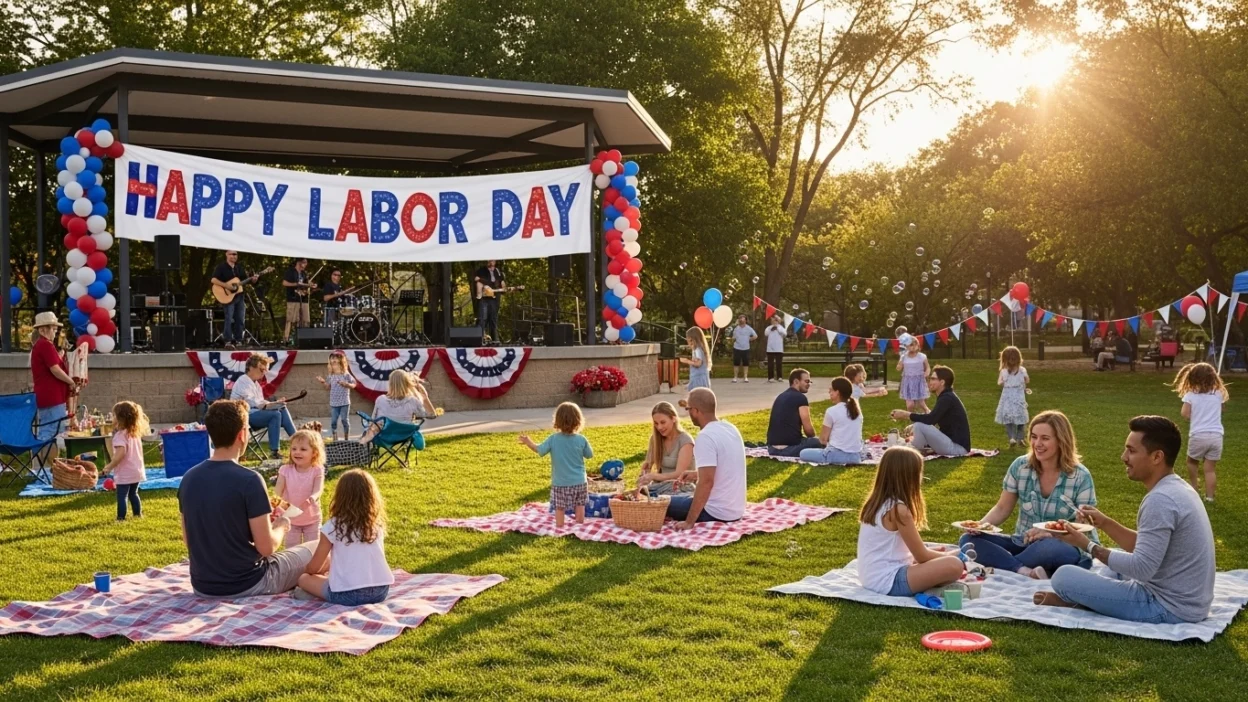
Labor Day has become synonymous with a variety of traditions that blend celebration, relaxation, and recognition of workers’ contributions. One of the most popular customs is the long weekend getaway, where families and friends take advantage of the extra day off to travel, camp, or enjoy outdoor activities. Barbecues, picnics, and community cookouts are staples of the holiday, bringing people together to enjoy food and fellowship.
Parades are another long-standing tradition, originating from the early celebrations of Labor Day in the 19th century. These parades often feature union members, civic organizations, and local officials marching through city streets to honor workers and their accomplishments. Many cities still host such events, combining historical remembrance with community entertainment.
Public ceremonies and speeches also play a role in Labor Day observances. Politicians, labor leaders, and community figures may give speeches highlighting the importance of workers, the history of labor movements, and current labor issues. Some communities incorporate award ceremonies to recognize outstanding contributions by local workers or organizations.
Retail sales and shopping have become a modern, commercial aspect of Labor Day. Stores often offer significant discounts to attract customers, making the holiday a major shopping weekend. Despite its commercial evolution, these traditions coexist with the day’s original purpose: honoring labor and workers’ rights.
Overall, Labor Day traditions vary widely depending on location and culture, but they consistently emphasize celebration, appreciation, and reflection. From community events to personal leisure, the holiday serves as a reminder of the value of work and the ongoing contributions of employees across all sectors.
Fun Labor Day Facts
Labor Day has a rich history, and along with its significance, there are many interesting and lesser-known facts about the holiday. For starters, the first Labor Day celebration in the United States took place on September 5, 1882, in New York City, organized by the Central Labor Union. The event included a parade of workers marching through the streets, demonstrating solidarity and calling attention to the need for fair working conditions.
Oregon was the first state to officially recognize Labor Day as a public holiday in 1887, setting the stage for nationwide recognition. By 1894, President Grover Cleveland signed legislation making Labor Day a national holiday, partly to reconcile tensions following a series of strikes, including the Pullman Strike.
While the holiday is now associated with barbecues and sales, its origins were rooted in activism and advocacy. Parades, speeches, and demonstrations were central to early celebrations, emphasizing the labor movement’s goals of shorter workdays, safer workplaces, and better pay.
Interestingly, many people confuse Labor Day with International Workers’ Day, which is celebrated on May 1 in many countries. The U.S. deliberately set Labor Day in September to separate it from the more politically charged May Day celebrations linked to protests and demonstrations worldwide.
Another fun fact is that Labor Day marks the unofficial end of summer in the United States. Schools often start the new academic year around this time, and it is commonly celebrated with sporting events, picnics, and trips to beaches and parks.
These facts highlight that Labor Day is not just a day off—it is a holiday steeped in history, labor rights achievements, and cultural significance, making it both fun and meaningful.
Labor Day and Workers’ Rights
Labor Day is more than just a holiday—it is a reminder of the ongoing importance of workers’ rights and protections in the workplace. The holiday originated from the labor movement, which fought to secure fair treatment, reasonable working hours, and safer conditions for employees during the Industrial Revolution. Many of these reforms, such as the eight-hour workday, minimum wage laws, and regulations for workplace safety, were achieved through collective action and advocacy by unions and labor organizations.
Even today, Labor Day highlights that the fight for workers’ rights is ongoing. Modern workplaces face challenges such as wage disparities, lack of benefits, workplace discrimination, and the need for mental health support. Labor Day serves as an opportunity to recognize these issues and support initiatives that improve working conditions.
Unions and worker advocacy groups often use Day to educate the public, host rallies, or accomplishments in rights. These efforts ensure that workers’ contributions are acknowledged and that progress continues in industries where rights and protections may be lacking.
The holiday also emphasizes the broader societal value of fair labor practices. By respecting workers’ rights, businesses foster healthier, more productive work environments, and communities benefit from greater economic stability and social equity.
Ultimately, Labor Day reminds us that workers are the backbone of society. Honoring their contributions goes hand in hand with advocating for fair treatment, safe workplaces, and equal opportunities, making the holiday both a celebration and a call to action for continued progress in labor rights.
FAQs:
1. What is the difference between Labor Day and International Workers’ Day?
Labor Day in the U.S. is celebrated on the first Monday of September to honor workers and their contributions, while International Workers’ Day, or May Day, is observed on May 1 in many countries. May Day often focuses on labor protests and advocacy, whereas U.S. Labor Day emphasizes both recognition and celebration.
2. When is Labor Day celebrated in the United States?
Labor Day is celebrated on the first Monday in September every year. This timing provides a long weekend and is considered the unofficial end of summer in the U.S.
3. Who started Labor Day?
The first organized Labor Day celebration took place in 1882 in New York City, led by the Central Labor Union. It was created to honor workers and highlight their contributions to the economy and society.
4. How did Labor Day become a national holiday?
After several states began officially recognizing Labor Day, President Grover Cleveland signed it into law in 1894 following a series of strikes and labor unrest. The holiday was established to honor workers and promote unity.
5. Why do we celebrate Labor Day?
Labor Day celebrates the achievements and contributions of workers, recognizes the labor movement, and serves as a reminder of the importance of fair labor practices, safe workplaces, and workers’ rights.
6. Is Labor Day celebrated in other countries?
While the U.S. celebrates it in September, many countries honor workers on May 1 as part of International Workers’ Day. Celebrations vary from parades and protests to family gatherings and public events.
Conclusion:
Labor Day is more than just a long weekend or a day of leisure it is a meaningful tribute to the contributions of workers and the enduring legacy of the labor movement.
From its origins in the late 19th century to modern celebrations, the holiday reminds us of the struggles workers faced for fair wages, safer working conditions, and reasonable hours. It also highlights the ongoing importance of workers’ rights in today’s evolving workplaces.
While traditions like parades, barbecues, and family gatherings are central to the modern observance, the essence of Labor Day lies in honoring the workforce that drives society forward.
By reflecting on both historical achievements and contemporary labor issues, we can appreciate the progress made and the work that remains.
Labor Day encourages communities, organizations, and individuals to value and support workers, making it a celebration of both hard work and social progress.

I’m the author behind Jokesattack.com, where I share the funniest jokes, puns, and memes to make your day brighter with laughter. 😄🎉