
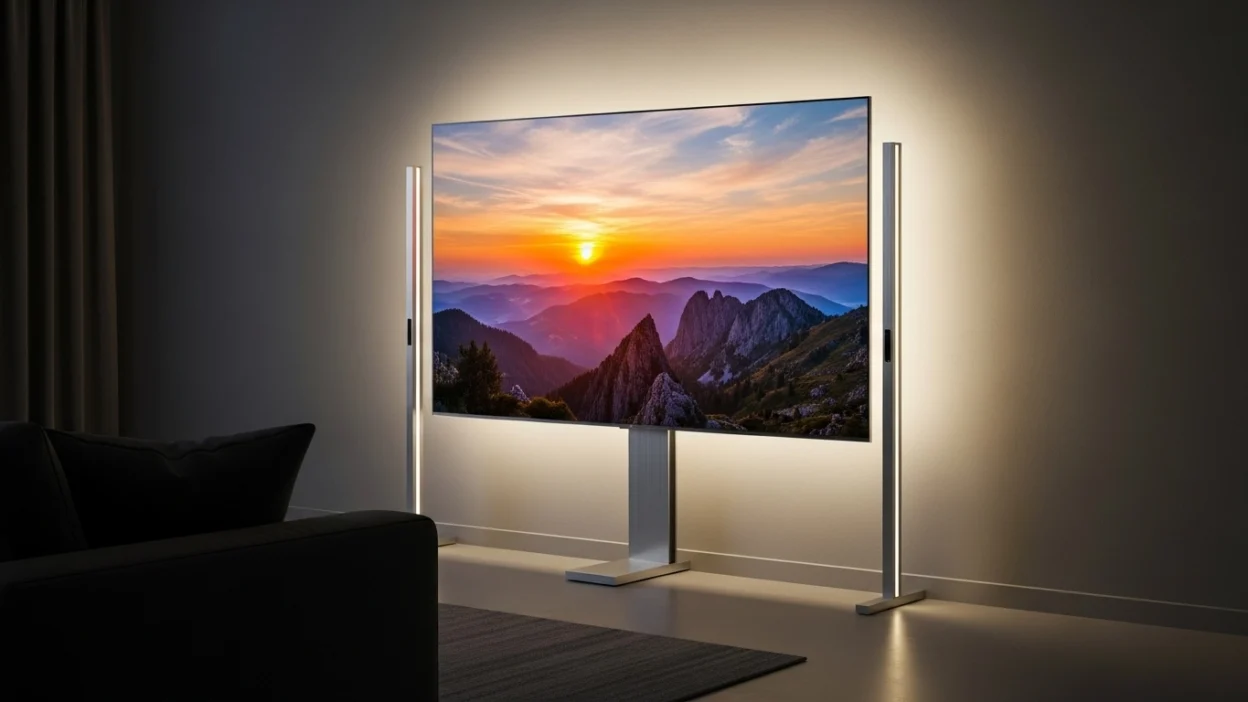
In today’s technology-driven world, the term LED appears everywhere from home lighting to smartphone screens and even car headlights. But many people still wonder, What does LED stand for?
The answer lies in the full form Light Emitting Diode, a simple yet revolutionary electronic component that produces light efficiently.
Understanding the LED meaning is essential because it explains not only how these lights work but also why they are far superior to traditional lighting options like incandescent and fluorescent bulbs. LEDs are compact, energy-efficient, and long-lasting, making them a popular choice for homes, offices, and industrial applications.
Beyond everyday lighting, LED technology powers modern displays, smart devices, and innovative gadgets.
This article will provide a detailed look at what LEDs are, how they work, their different types, practical applications, and advantages. By the end, you’ll have a complete understanding of LEDs and their role in modern life.
What Does LED Stand For?
The acronym LED stands for Light Emitting Diode, a term widely used in electronics and lighting. Breaking it down, “Light” refers to the visible illumination produced, “Emitting” indicates the process of generating light from electricity, and “Diode” is a type of semiconductor that allows electric current to flow in only one direction. This combination creates a simple yet highly efficient device capable of converting electrical energy into light.
Unlike traditional incandescent bulbs, which produce light through heat, LEDs generate light through a process called electroluminescence, where electrons move through the semiconductor material and release energy in the form of photons. This method allows LEDs to use significantly less energy while producing the same or even greater brightness.
Understanding the LED meaning is crucial because it explains why LEDs have become so popular in everyday life. They are not only used in household lighting but also in televisions, computer monitors, smartphone screens, traffic lights, automotive lighting, and even wearable technology.
The term LED is often confused with other lighting technologies like LCD (Liquid Crystal Display) and OLED (Organic Light Emitting Diode), but the key difference lies in how the light is produced. LEDs produce light directly, making them more energy-efficient, long-lasting, and environmentally friendly.
How Does an LED Work?
An LED, or Light Emitting Diode, works on a simple yet fascinating principle called electroluminescence. Unlike traditional bulbs that produce light by heating a filament, LEDs generate light directly from electrical energy. Inside an LED, there is a semiconductor material, usually made of elements like gallium, arsenic, or phosphorus. When electricity flows through this semiconductor, electrons move from a negatively charged region (the n-type) to a positively charged region (the p-type).
As electrons cross the junction between these two regions, they release energy in the form of photons, which we perceive as light. This process is extremely efficient because very little energy is wasted as heat, unlike incandescent or halogen bulbs. The color of the light depends on the materials used in the semiconductor, which is why LEDs can produce red, green, blue, or even white light.
LEDs are also highly directional, meaning they emit light in a specific direction rather than scattering it in all directions. This makes them ideal for focused lighting applications, like flashlights, automotive headlights, and display screens.
Additionally, LEDs are compatible with modern electronic circuits and can be powered using low voltage, making them safer and more energy-efficient. Their ability to convert electricity directly into light, combined with low heat production and long lifespan, explains why LED technology has replaced traditional lighting in homes, offices, and electronic devices worldwide.
History of LED Technology
The history of LED technology dates back to the early 20th century, though practical applications only became widespread decades later. The concept of light emission through electroluminescence was first observed in 1907 by British scientist H.J. Round, who noticed a faint light emitted from a silicon carbide crystal when an electric current passed through it. However, it wasn’t until the 1960s that the first visible-spectrum LEDs were developed.
In 1962, Nick Holonyak Jr., an American engineer, created the first practical red LED while working at General Electric. This breakthrough allowed LEDs to move beyond laboratory experiments and into commercial use, primarily as indicator lights on electronic devices. Throughout the 1970s and 1980s, LEDs expanded in color, including green and yellow, improving their versatility for displays and signage.
The development of blue LEDs in the early 1990s, credited to scientists Shuji Nakamura, Isamu Akasaki, and Hiroshi Amano, revolutionized LED technology. Combining blue LEDs with red and green LEDs allowed the creation of white LEDs, which became the foundation for energy-efficient lighting in homes, offices, and streets.
Since then, LED technology has advanced rapidly. Modern LEDs are used in high-power lighting, large displays, smart devices, automotive headlights, and even medical equipment. Today’s innovations, such as MicroLEDs and OLEDs, promise brighter, more flexible, and more energy-efficient solutions.
Understanding the history of LEDs highlights how far this technology has come—from tiny indicator lights to a cornerstone of modern lighting and display technology—and why it continues to shape the future of illumination.
Types of LEDs
LEDs come in various types, each designed for specific applications and performance requirements. Understanding the different types helps consumers and professionals choose the right LED for their needs.
- Indicator LEDs – These are small, low-power LEDs commonly found on electronic devices like computers, routers, and appliances. They emit a single color, usually red, green, or yellow, and are mainly used to show the status of a device.
- High-Power LEDs – Designed for lighting applications, high-power LEDs produce much more light than standard indicator LEDs. They are used in residential and commercial lighting, street lamps, automotive headlights, and flashlights. These LEDs are energy-efficient and long-lasting, making them a popular replacement for traditional bulbs.
- RGB LEDs – RGB (Red, Green, Blue) LEDs combine three tiny LEDs of different colors into a single package. By adjusting the intensity of each color, they can produce millions of shades, making them ideal for decorative lighting, mood lights, displays, and digital screens.
- OLEDs (Organic LEDs) – These use organic compounds to emit light and are commonly found in smartphone and TV screens. They provide vibrant colors, thin displays, and flexibility, offering a significant improvement over traditional LED backlighting.
- MicroLEDs – An emerging technology, MicroLEDs are tiny LEDs used in high-resolution displays. They offer superior brightness, color accuracy, and energy efficiency compared to LCD and OLED screens.
Each type of LED serves a unique purpose, from simple indicator lights to advanced display panels. Choosing the right LED depends on factors such as brightness, color, energy efficiency, and application.
Applications of LEDs
LEDs are one of the most versatile lighting technologies in the modern world, with applications spanning everyday life, industrial use, and high-tech devices. Their energy efficiency, long lifespan, and compact design make them ideal for numerous purposes.
Home and Office Lighting
LEDs are widely used in bulbs, ceiling lights, and decorative strips. They provide bright, consistent light while consuming significantly less electricity than incandescent or fluorescent bulbs, helping households save on energy bills. Smart LED bulbs also allow users to adjust brightness, color, and timing via apps or voice assistants.
Displays and Screens
From televisions and computer monitors to smartphones and digital billboards, LEDs power the screens we interact with daily. RGB and MicroLED technology enable vivid colors, high resolution, and energy-efficient displays. OLED panels, a type of LED, are used in modern curved and flexible screens.
Automotive Lighting
LEDs have revolutionized vehicle lighting, including headlights, tail lights, and interior lights. They provide better illumination, faster response times, and consume less power than traditional halogen lamps, enhancing both safety and efficiency.
Traffic Signals and Street Lights
Cities around the world rely on LEDs for traffic lights, street lamps, and signage because they last longer, are highly visible, and reduce maintenance costs.
Specialized Applications
LEDs are also used in medical equipment, plant growth lights, wearable devices, and industrial machinery, highlighting their adaptability across industries.
Advantages of LEDs
LEDs have become the preferred lighting technology worldwide due to their numerous advantages over traditional lighting options such as incandescent, fluorescent, or halogen bulbs. One of the most significant benefits is energy efficiency. LEDs convert most of the electrical energy directly into light, wasting very little as heat. This efficiency translates into lower electricity bills and reduced energy consumption, making them environmentally friendly.
Another key advantage is their long lifespan. While incandescent bulbs may last only about 1,000 hours and CFLs around 8,000 hours, LEDs can operate for 25,000 to 50,000 hours or more. This longevity reduces the need for frequent replacements, saving both time and money.
LEDs are also durable and reliable. Their solid-state design makes them resistant to shock, vibration, and extreme temperatures, unlike fragile incandescent filaments. This durability makes LEDs ideal for outdoor lighting, automotive applications, and industrial environments.
Additionally, LEDs offer better light quality and flexibility. They are available in a wide range of colors, including white, warm white, and RGB, and can be dimmed easily without affecting efficiency. Their directional lighting reduces light pollution and allows precise illumination where needed.
Other benefits include low heat emission, which reduces cooling costs in buildings, and eco-friendliness, as LEDs contain no harmful chemicals like mercury.
In short, the advantages of LEDs—energy efficiency, long lifespan, durability, flexibility, and environmental friendliness—explain why they have replaced traditional lighting in homes, offices, vehicles, and industries worldwide.
Common Misconceptions About LEDs
Despite their widespread use, several misconceptions about LEDs still exist. Clearing up these myths helps consumers make better decisions when choosing lighting solutions.
1. All LEDs are the same
Not all LEDs are created equal. The quality, brightness, color temperature, and lifespan vary depending on the manufacturer and technology used. For instance, high-power LEDs used in streetlights differ significantly from small indicator LEDs on electronic devices.
2. LEDs are too bright or harsh
Many people assume LEDs are always harsh or uncomfortable. In reality, LEDs are available in various color temperatures, from warm white (similar to incandescent bulbs) to cool white and RGB options for decorative lighting. Choosing the right color temperature can create a comfortable and inviting environment.
3. LED vs LCD vs OLED confusion
LEDs are light sources, whereas LCDs (Liquid Crystal Displays) rely on LED backlighting to display images, and OLEDs (Organic LEDs) emit light individually at each pixel. Understanding these differences clarifies why some screens look brighter, sharper, or more energy-efficient.
4. LEDs are bad for eyes
Some claim LED lights cause eye strain due to blue light. While excessive exposure to any bright light can strain eyes, properly designed LEDs with the correct brightness and color temperature are safe for daily use.
5. LEDs cannot be dimmed
Many people think LEDs cannot dim like traditional bulbs. Modern dimmable LEDs, when paired with compatible dimmer switches, provide smooth and energy-efficient dimming.
FAQs
1. How long do LEDs last?
LEDs are known for their impressive lifespan. On average, an LED can last between 25,000 to 50,000 hours, which is far longer than incandescent or fluorescent bulbs. This means they can last 10–20 years with normal use, reducing replacement costs and maintenance.
2. Are LEDs energy-efficient?
Yes! LEDs are extremely energy-efficient because they convert most of the electrical energy directly into light instead of heat. They use up to 80% less energy than traditional incandescent bulbs and around 50% less than CFLs, making them a cost-effective and eco-friendly option.
3. Can LED lights be recycled?
Absolutely. LEDs do not contain harmful chemicals like mercury, which makes them safer to recycle than CFLs. Many local recycling programs and electronics stores accept LED bulbs for recycling, helping reduce environmental waste.
4. Do LEDs affect eye health?
Properly designed LED lights are safe for the eyes. While high-intensity blue LEDs may cause eye strain in some situations, using warm or neutral white LEDs and maintaining appropriate brightness levels prevents discomfort.
5. Can all LEDs be dimmed?
Not all LEDs are dimmable. Only LEDs specifically designed for dimming, when paired with a compatible dimmer switch, provide smooth and adjustable lighting. Using a non-dimmable LED with a dimmer can cause flickering or damage the bulb.
Conclusion
Understanding what LED stands for Light Emitting Diode is essential in today’s technology-driven world. LEDs have transformed the way we illuminate homes, offices, streets, and electronic devices, thanks to their energy efficiency, long lifespan, and versatility.
From simple indicator lights to high-power home lighting, RGB displays, and advanced MicroLED screens, this technology continues to expand into new applications.
The benefits of LEDs are clear: they save energy, reduce costs, provide high-quality lighting, and are environmentally friendly.
By learning how LEDs work, exploring their types, and understanding their applications, consumers can make informed choices about lighting solutions.
Additionally, dispelling common misconceptions ensures that people appreciate the true potential of LED technology.
As innovation continues, LEDs are likely to play an even greater role in sustainable energy, smart lighting, and high-resolution displays, solidifying their place as a cornerstone of modern life.

I’m the author of Jokesattack.com, where humor meets creativity! Bringing you nonstop laughter with the best jokes, memes, and funny moments every day.