
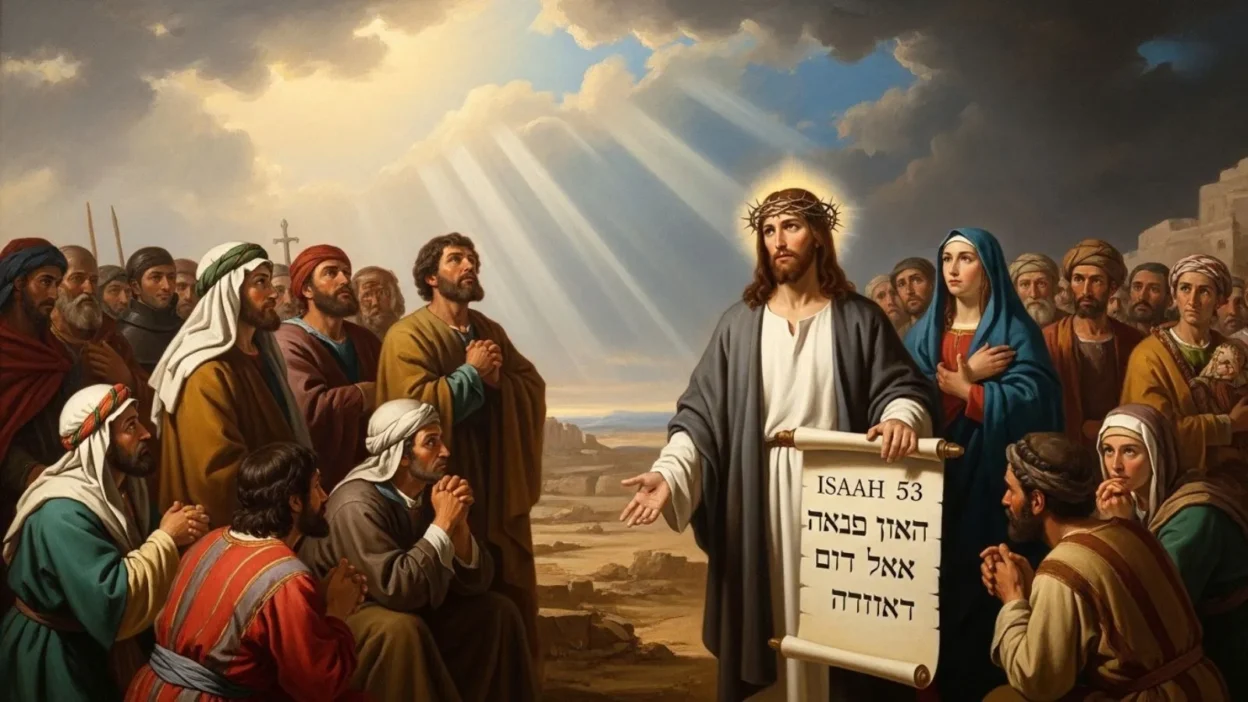
The term Messiah holds deep significance in religious, historical, and cultural contexts. Originating from the Hebrew word Mashiach, which means “anointed one”, the Messiah is often seen as a savior, leader, or spiritual guide.
In Judaism, the Messiah is a future figure expected to bring justice, peace, and fulfillment of divine promises. In Christianity, Jesus Christ is recognized as the Messiah, fulfilling ancient prophecies and offering salvation to humanity.
Beyond religious texts, the idea of a Messiah has inspired art, literature, and modern expressions of hope and transformation. Many people, however, misunderstand the term, equating it solely with political power or worldly leadership, missing its deeper spiritual meaning.
Understanding who or what the Messiah represents allows us to appreciate the historical roots, theological interpretations, and modern symbolic uses of this powerful concept. In this article, we’ll explore the full meaning of Messiah across religions, history, and culture.
Origin and Etymology of Messiah
The word Messiah comes from the Hebrew term Mashiach, which literally means “anointed one.” In ancient Israel, anointing with oil was a symbolic act used to designate someone for a special role or divine purpose, such as kings, priests, or prophets. Over time, this practice gave rise to the concept of a singular figure chosen by God to fulfill a divine mission.
In the Hebrew Bible, references to a coming Messiah appear in prophetic books such as Isaiah, Daniel, and Psalms. These texts describe a future leader who would restore justice, bring peace, and guide God’s people. The original Hebrew understanding emphasizes spiritual and moral authority rather than political or military power alone.
When the term was translated into Greek in the Septuagint, it became Christos, which is where the English term Christ originates. This linguistic shift connected the Jewish expectation of a Messiah with the Christian belief in Jesus as the anointed savior.
Beyond religious texts, the idea of the Messiah evolved to symbolize hope and deliverance. In literature and philosophy, a messianic figure often represents transformative change or salvation, reflecting the enduring influence of the term across centuries.
Messiah in Judaism
In Judaism, the Messiah, or Mashiach, is a future figure chosen by God to bring about a time of peace, justice, and spiritual fulfillment for the Jewish people. The concept is rooted in Jewish scripture, particularly in prophetic books such as Isaiah, Jeremiah, and Ezekiel, which describe a leader who will restore Israel, rebuild the Temple in Jerusalem, and unite humanity under God’s guidance.
Unlike some modern interpretations, the Jewish Messiah is not considered divine but is a fully human leader, often a king or a righteous descendant of King David, who embodies moral integrity and devotion to God. The Messiah’s role is both spiritual and societal: establishing justice, ending oppression, and inspiring people to follow God’s commandments.
Jewish tradition also emphasizes that the Messiah’s arrival will fulfill long-standing prophecies, including universal recognition of God, worldwide peace, and the ingathering of exiled Jews to the land of Israel. These expectations have shaped centuries of Jewish thought, prayer, and hope, influencing religious rituals and cultural identity.
It’s important to note that in Judaism, the Messiah is not believed to have already come, which contrasts with the Christian understanding of Jesus as the Messiah. Instead, Jews continue to await this future figure, whose arrival is seen as a pivotal event in human history.
Understanding the Jewish perspective provides clarity on the Messiah’s original role as a human leader and spiritual guide, rather than a supernatural savior, and highlights the rich tradition surrounding this awaited figure.
Messiah in Christianity
In Christianity, the term Messiah is closely associated with Jesus Christ, who is believed to fulfill the ancient prophecies of the Hebrew Bible. The word Messiah translates to Christ in Greek (Christos), meaning “anointed one,” and signifies Jesus’ divine mission as a savior for humanity. Christians believe that Jesus was sent by God to reconcile humanity with Him, offering spiritual salvation through his teachings, life, death, and resurrection.
The New Testament presents Jesus as the long-awaited Messiah foretold by prophets such as Isaiah and Daniel, fulfilling promises of deliverance, justice, and peace. Unlike the Jewish expectation of a purely human leader, Christianity emphasizes the divine nature of the Messiah, seeing Jesus as both fully human and fully God. His role extends beyond political or earthly leadership to spiritual salvation, eternal life, and redemption of sins.
Jesus’ life and ministry exemplify the qualities of the Messiah: love, compassion, righteousness, and service to others. The concept of Messiah in Christianity also includes the idea of a future return, when Jesus will bring final judgment and establish God’s eternal kingdom.
Understanding Jesus as the Messiah provides insight into Christian theology and faith practices, including worship, prayer, and the celebration of major events like Christmas and Easter. The Christian view of the Messiah highlights the transformation of a prophetic concept into a personal, relational, and spiritual relationship with God through Jesus Christ.
Messiah in Other Religions and Cultures
The concept of the Messiah is not exclusive to Judaism and Christianity; it also appears, in different forms, in other religions and cultural contexts. In Islam, for example, Jesus (Isa) is recognized as the Messiah (al-Masih), but with a slightly different interpretation. Muslims believe that Jesus was a prophet and anointed figure who performed miracles and will return before the Day of Judgment to restore justice and defeat wrongdoing. Additionally, Islam includes the figure of the Mahdi, often associated with messianic expectations, as a leader who will bring guidance and peace to the world.
Beyond religious texts, the idea of a Messiah has influenced secular culture, literature, and philosophy. Writers, thinkers, and filmmakers often use a “messianic figure” as a symbol of hope, transformation, or ultimate redemption. Such figures are typically portrayed as leaders or heroes who guide people through crises, reflecting the enduring archetype of an anointed savior.
In many cultures, the Messiah represents not just a religious promise but also a universal longing for justice, harmony, and moral guidance. This cross-cultural presence demonstrates how the concept transcends specific doctrines, becoming a symbol of human aspiration for a better world.
Understanding the Messiah in multiple religious and cultural frameworks highlights the flexibility of the term and its enduring impact on human thought. Whether as a divine savior, a righteous leader, or a literary archetype, the Messiah continues to shape spiritual and cultural narratives around the world.
Common Misconceptions About Messiah
Despite its rich history and spiritual significance, the term Messiah is often misunderstood. One common misconception is that the Messiah is primarily a political leader or king. While some religious texts describe leadership roles, the Messiah’s main purpose in both Judaism and Christianity is spiritual guidance, moral authority, and the fulfillment of divine prophecy. The emphasis is on justice, righteousness, and the restoration of harmony rather than worldly power.
Another widespread misunderstanding is that the Messiah has already appeared in every tradition. In Judaism, the Messiah is still awaited, expected to bring peace and unity in the future. Conversely, in Christianity, Jesus is recognized as the Messiah who has already come, highlighting how interpretations differ between religions. Confusing these views can lead to oversimplifications and misrepresentations of faith.
Some also equate the Messiah with a miraculous, all-powerful savior who solves every human problem instantly. While spiritual salvation and guidance are central, the Messiah’s role is not about creating immediate worldly solutions but inspiring individuals and societies to follow divine principles.
Popular culture adds another layer of confusion by portraying “messianic figures” in movies, books, and media as heroic characters who save the world from evil. While these stories draw from the original concept, they often emphasize dramatic heroism over spiritual and moral dimensions.
Clarifying these misconceptions helps readers appreciate the true essence of the Messiah: a figure chosen by God to bring guidance, hope, and a path toward spiritual fulfillment.
Symbolic and Modern Meanings of Messiah
Beyond religious texts, the term Messiah has evolved into a powerful symbol in modern culture, literature, and everyday language. Today, it often refers to someone who brings hope, transformation, or salvation in a difficult situation, even outside a strictly spiritual context. For example, leaders, innovators, or activists may be described as “messianic figures” because they inspire positive change and guide people toward a better future.
In literature and media, the Messiah archetype is a recurring motif. Characters who embody qualities such as sacrifice, wisdom, and moral courage often mirror the traditional role of the Messiah, representing the triumph of good over evil. These modern interpretations highlight humanity’s enduring fascination with figures who can restore balance and bring renewal.
Spiritually, some interpret the Messiah concept metaphorically, emphasizing personal growth and moral guidance rather than awaiting a historical figure. In this sense, each person can embrace messianic principles—promoting compassion, justice, and leadership within their communities.
Even in secular contexts, the idea of a Messiah serves as a universal symbol of hope, reflecting the human desire for solutions to challenges, whether social, political, or personal. By understanding these modern and symbolic meanings, readers can appreciate how the concept transcends religion, offering inspiration across cultures, philosophies, and creative works.
Why Understanding Messiah Matters Today
Understanding the concept of the Messiah is important not only for religious study but also for appreciating its cultural, spiritual, and ethical significance in today’s world. The Messiah represents ideals of justice, hope, and moral guidance, which are relevant in personal lives, communities, and society at large. By learning about the Messiah’s role across different religions and traditions, individuals can gain a deeper awareness of shared values such as compassion, integrity, and service to others.
In a world often divided by religion, politics, and ideology, understanding the Messiah can foster interfaith respect and dialogue. Recognizing that Judaism, Christianity, and even Islam share common roots in the idea of an anointed figure helps reduce misconceptions and promotes cultural literacy. It also highlights how spiritual concepts can inspire ethical leadership and community-building across diverse settings.
Beyond religious contexts, the Messiah archetype continues to influence literature, films, and public discourse. Leaders, innovators, and social reformers are often described in “messianic” terms because they bring transformative change, reflecting society’s longing for guidance and hope. Learning about the Messiah concept allows people to appreciate these symbolic uses, connecting historical meaning with modern applications.
Ultimately, exploring the Messiah helps readers reflect on personal and collective responsibility, encouraging individuals to pursue justice, peace, and meaningful transformation in their own lives. Understanding the Messiah today is therefore both a spiritual and practical exercise in embracing the timeless values this figure represents.
FAQs
1. Who is the Messiah in Judaism?
In Judaism, the Messiah (Mashiach) is a future human leader, a descendant of King David, chosen by God to bring justice, restore Israel, and unite humanity. The Messiah has not yet come, and Jews continue to await this figure as a central part of their faith and prophecy.
2. Who is the Messiah in Christianity?
Christianity identifies Jesus Christ as the Messiah. Christians believe he fulfilled the prophecies of the Hebrew Bible, bringing salvation through his life, teachings, death, and resurrection. Unlike Judaism, Christianity views the Messiah as both fully human and fully divine.
3. Is the Messiah only a religious term?
No. While the term originates in religious texts, “Messiah” is also used metaphorically in culture, literature, and everyday language. A messianic figure can refer to anyone who brings hope, guidance, or transformative change.
4. What does it mean to be “anointed”?
Being “anointed” means being chosen or set apart for a special role by God. In ancient Israel, kings, priests, and prophets were anointed with oil to signify divine appointment and authority. The Messiah, as the ultimate “anointed one,” embodies this spiritual and moral purpose.
5. How does the concept differ across religions?
Judaism awaits a human leader who fulfills prophecy, Christianity views Jesus as the divine Messiah who has already come, and Islam recognizes Jesus as Messiah with a future return. Each interpretation emphasizes different aspects of salvation, leadership, and divine purpose.
Conclusion
The concept of the Messiah is both ancient and timeless, carrying profound significance across religions, cultures, and even modern symbolism.
Originating from the Hebrew word Mashiach, meaning “anointed one,” the Messiah represents spiritual guidance, moral authority, and hope for a better world.
In Judaism, the Messiah is a future human leader who will restore justice and unity, while in Christianity, Jesus Christ fulfills this role as the divine savior. Other religions and cultural interpretations also highlight the universal appeal of a messianic figure, whether as a prophetic leader or a symbol of transformative change.
Understanding the Messiah goes beyond religious study it encourages reflection on justice, compassion, and ethical leadership in daily life.
By exploring historical roots, scriptural interpretations, and modern symbolic uses, readers can appreciate the enduring relevance of the Messiah, inspiring hope, moral guidance, and the pursuit of meaningful transformation in both personal and collective contexts.

I’m the mind behind Jokesattack.com, your go-to place for daily laughs, clever puns, and hilarious memes. Spreading smiles one joke at a time!