
Have you ever wondered what powers the trillions of cells in your body every second? The answer lies in tiny structures called mitochondria, often known as the powerhouse of the cell.
These microscopic organelles play a crucial role in energy production in cells, converting nutrients from food into usable energy called ATP. Without mitochondria, cells wouldn’t have the fuel to perform essential functions, from muscle movement to brain activity.
But their role doesn’t stop at energy they also help regulate metabolism, support cell growth, and even control programmed cell death, which is vital for healthy development.
Understanding what mitochondria do not only explains how our bodies stay energized but also highlights their importance in overall health. In this article, we’ll explore the structure, function, and fascinating facts about mitochondria, as well as how to keep these tiny powerhouses working at their best.
What is Mitochondria?
Mitochondria are tiny, specialized structures found in almost all eukaryotic cells, including human cells. Often called the powerhouse of the cell, mitochondria are responsible for producing the energy cells need to function. The word “mitochondria” comes from Greek, meaning “thread granules”, reflecting their shape under a microscope.
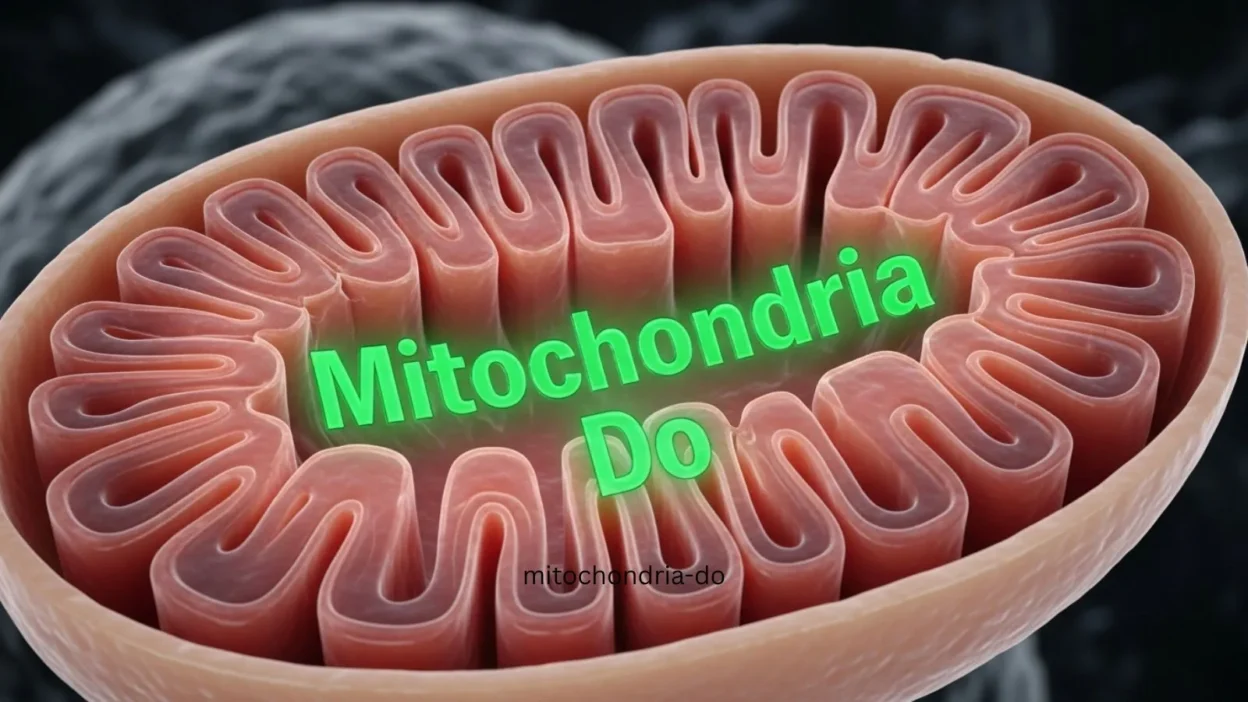
Each mitochondrion has a unique structure that supports its many roles. It is surrounded by a double membrane: an outer membrane that protects the organelle and an inner membrane folded into cristae, where energy production takes place. The innermost part, called the matrix, contains enzymes, mitochondrial DNA (mtDNA), and ribosomes, allowing mitochondria to make some of their own proteins independently of the cell’s nucleus. This independence is one reason scientists believe mitochondria were once free-living organisms that joined ancient cells in a symbiotic relationship.
Mitochondria are not evenly distributed in all cells. Cells that require more energy, such as muscle cells, heart cells, and brain cells, have hundreds or even thousands of mitochondria, while less energy-demanding cells have fewer. Besides producing energy, mitochondria also play a role in cell signaling, metabolism, and regulating cell survival.
The Main Function of Mitochondria
The primary role of mitochondria is to produce energy for the cell, earning them the nickname “powerhouse of the cell.” This energy comes in the form of a molecule called ATP (adenosine triphosphate), which acts like a cellular battery, powering all the activities your cells need to survive and function. Without mitochondria, cells would lack the energy to grow, divide, or perform even basic tasks.
Mitochondria generate ATP through a process called cellular respiration, which breaks down nutrients such as glucose and fatty acids. This process occurs in three main stages. First, glycolysis breaks glucose into smaller molecules in the cytoplasm. Then, the Krebs cycle takes place inside the mitochondria’s matrix, producing energy-rich molecules. Finally, the electron transport chain, located on the inner membrane’s folds (cristae), produces the majority of ATP by transferring electrons and creating a chemical gradient.
Energy from mitochondria powers critical functions, including muscle contractions, brain activity, and organ function. Cells that require more energy, like heart and muscle cells, have higher numbers of mitochondria to meet their demands.
Beyond energy production, mitochondria help regulate cell metabolism and influence how cells respond to stress. Their ability to produce energy efficiently ensures that your body can perform everyday activities, from walking and thinking to healing and growing.
Other Important Roles of Mitochondria
While mitochondria are best known for producing energy, their functions extend far beyond being the cell’s powerhouse. They play critical roles in several cellular processes that keep the body healthy and functioning properly.
One key role is regulating cell metabolism. Mitochondria help control how cells break down nutrients and manage energy storage, ensuring that cells have enough fuel for growth and repair. They are also involved in cell signaling, sending messages that affect how cells respond to changes in their environment, such as stress or nutrient availability.
Another important function is apoptosis, or programmed cell death. This process allows the body to remove damaged or unnecessary cells safely. Without proper apoptosis, cells could become harmful or cancerous, highlighting mitochondria’s role in maintaining cellular health.
Mitochondria also contribute to thermogenesis, which is the production of heat in the body. This is especially important for maintaining body temperature in cold environments. Additionally, mitochondria manage reactive oxygen species (ROS), which are byproducts of energy production. While ROS can cause cell damage if uncontrolled, mitochondria use them for signaling and defense mechanisms at controlled levels.
In short, mitochondria are more than just energy producers—they are vital for metabolism, communication, growth, and survival of cells. Their multifunctional nature is why maintaining healthy mitochondria is crucial for overall well-being.
Mitochondria in Human Health
Mitochondria play a vital role in human health because they supply the energy our bodies need to function. Organs that require a lot of energy, such as the heart, brain, muscles, and liver, rely heavily on mitochondria to keep cells running efficiently. When mitochondria are healthy, cells perform optimally, supporting overall well-being, physical endurance, and mental sharpness.
However, when mitochondria malfunction or produce less energy, it can lead to a range of health issues. Mitochondrial dysfunction is linked to fatigue, muscle weakness, and even serious conditions like neurodegenerative diseases (Alzheimer’s and Parkinson’s), metabolic disorders such as diabetes, and cardiovascular problems. These issues arise because cells cannot generate sufficient energy, which affects how organs operate.
Mitochondria also play a role in the aging process. Over time, mitochondrial efficiency naturally decreases, and damaged mitochondria accumulate. This decline contributes to slower metabolism, reduced energy, and increased susceptibility to age-related diseases.
Maintaining mitochondrial health is therefore essential not only for energy but also for disease prevention and longevity. Healthy mitochondria help the body respond to stress, repair damaged cells, and sustain high-functioning organs.
In the next section, we will explore fascinating facts about mitochondria, including their unique origin, DNA inheritance, and surprising role in research on longevity and exercise.
Fascinating Facts About Mitochondria
Mitochondria are not only essential for energy production but also fascinating from a scientific perspective. One of the most intriguing facts is the endosymbiotic theory, which suggests that mitochondria were once free-living bacteria. Millions of years ago, these bacteria entered early eukaryotic cells and formed a mutually beneficial relationship. Over time, they evolved into the mitochondria we see in cells today, explaining why mitochondria have their own DNA and ribosomes separate from the cell’s nucleus.
Another interesting fact is that mitochondria are inherited almost exclusively from the mother. Unlike nuclear DNA, which comes from both parents, mitochondrial DNA (mtDNA) passes down maternally. This unique inheritance pattern allows scientists to trace maternal ancestry and study human evolution.
The number of mitochondria in a cell varies depending on energy demands. Muscle cells and heart cells can have hundreds or thousands of mitochondria, while cells that require less energy have fewer. This adaptability ensures that energy production matches the body’s needs.
Mitochondria also play a role in aging and longevity research. Studies suggest that maintaining healthy mitochondria can improve energy levels, delay age-related decline, and support overall cellular health. Additionally, physical activity and proper nutrition can stimulate mitochondrial biogenesis, the process of creating new mitochondria, enhancing energy efficiency.
Understanding these facts highlights how mitochondria are more than just energy producers—they are vital for inheritance, evolution, and maintaining life at the cellular level.
How to Keep Your Mitochondria Healthy
Maintaining healthy mitochondria is essential for energy, overall well-being, and long-term health. Since mitochondria power nearly every cellular function, keeping them functioning efficiently can improve energy levels, support organ health, and reduce the risk of diseases associated with mitochondrial dysfunction.
One of the most effective ways to support mitochondria is through regular physical activity. Exercise, especially aerobic activities like running, swimming, or cycling, stimulates mitochondrial biogenesis, which is the creation of new mitochondria. Strength training also benefits muscle cells by increasing energy demand, prompting mitochondria to become more efficient.
Nutrition plays a crucial role as well. A balanced diet rich in antioxidants, vitamins, and minerals helps protect mitochondria from oxidative stress caused by free radicals. Nutrients like CoQ10, B vitamins, magnesium, and omega-3 fatty acids are particularly beneficial for mitochondrial health. Avoiding excessive sugar, processed foods, and toxins such as alcohol and tobacco also reduces stress on mitochondria.
Other lifestyle factors, like adequate sleep and stress management, help maintain mitochondrial function. Chronic stress and sleep deprivation can impair energy production and increase oxidative damage, while mindfulness, meditation, and proper rest support cellular recovery.
Incorporating these habits into daily life ensures remain strong and efficient, fueling the body’s energy needs and supporting long-term health. Healthy are key not only for energy but also for metabolism, aging, and disease prevention.
Common Misconceptions About Mitochondria
Misconception 1: Mitochondria only exist in humans.
In reality, are found in almost all eukaryotic cells, including plants, animals, fungi, and many microorganisms. Their presence is essential for energy production in nearly every complex organism.
Misconception 2: More mitochondria always means more energy.
While cells with high energy demands, like muscle or heart cells, do have more , the efficiency and health of matter more than quantity. Damaged or dysfunctional can’t produce energy effectively, regardless of their number.
Misconception 3: Mitochondria are only important for energy production.
Although producing ATP is their main function, also regulate cell signaling, metabolism, apoptosis (programmed cell death), and heat production. They play a key role in maintaining cellular health and supporting proper organ function.
Misconception 4: Mitochondria don’t affect aging.
Research shows that mitochondrial efficiency declines with age, contributing to fatigue, slower metabolism, and age-related diseases. Keeping healthy is therefore linked to longevity and overall wellness.
Misconception 5: All cells have the same number of mitochondria.
Different cells require different energy levels. For example, red blood cells lack mitochondria entirely, while muscle cells may contain thousands, depending on their energy needs.
FAQs:
1. What organelle is called the powerhouse of the cell?
The are known as the powerhouse of the cell because they produce ATP, the energy molecules that fuel nearly all cellular activities.
2. How do mitochondria make energy?
Convert nutrients like glucose and fats into energy through cellular respiration. This process involves glycolysis, the Krebs cycle, and the electron transport chain, which together produce ATP efficiently.
3. Can mitochondria die?
Yes, can become damaged due to oxidative stress, toxins, or aging. Damaged may be removed by the cell through a process called mitophagy, ensuring overall cellular health.
4. Do all cells have mitochondria?
Most eukaryotic cells contain mitochondria, but some exceptions exist. For example, red blood cells lack mitochondria because they carry oxygen and don’t need to produce ATP internally.
5. What happens if mitochondria don’t work properly?
Mitochondrial dysfunction can lead to fatigue, muscle weakness, metabolic disorders, and neurological diseases. Proper mitochondrial function is critical for energy, organ health, and overall well-being.
6. Are mitochondria inherited from both parents?
No, are inherited almost exclusively from the mother, as sperm are typically not passed on to the embryo.
7. How can I support mitochondrial health?
Healthy lifestyle choices, including regular exercise, a nutrient-rich diet, stress management, and adequate sleep, help maintain mitochondrial function and efficiency.
Conclusion:
Mitochondria are far more than tiny structures inside our cells they are the powerhouses that drive life itself. By producing energy in the form of ATP, they enable every cell in the body to function properly, powering muscles, organs, and the brain.
Beyond energy production, play essential roles in cell signaling, metabolism, heat generation, and even programmed cell death, highlighting their importance in overall health and longevity.
Maintaining healthy mitochondria is key to feeling energized, supporting high-functioning organs, and preventing age-related diseases.
Simple lifestyle choices like regular exercise, a balanced diet, adequate sleep, and stress management can strengthen these vital organelles.
Understanding what mitochondria do helps us appreciate how every movement, thought, and heartbeat relies on these microscopic powerhouses. By nurturing mitochondrial health, we not only improve energy levels but also support long-term wellness, longevity, and a resilient body.

I’m the mind behind Jokesattack.com, your go-to place for daily laughs, clever puns, and hilarious memes. Spreading smiles one joke at a time!