
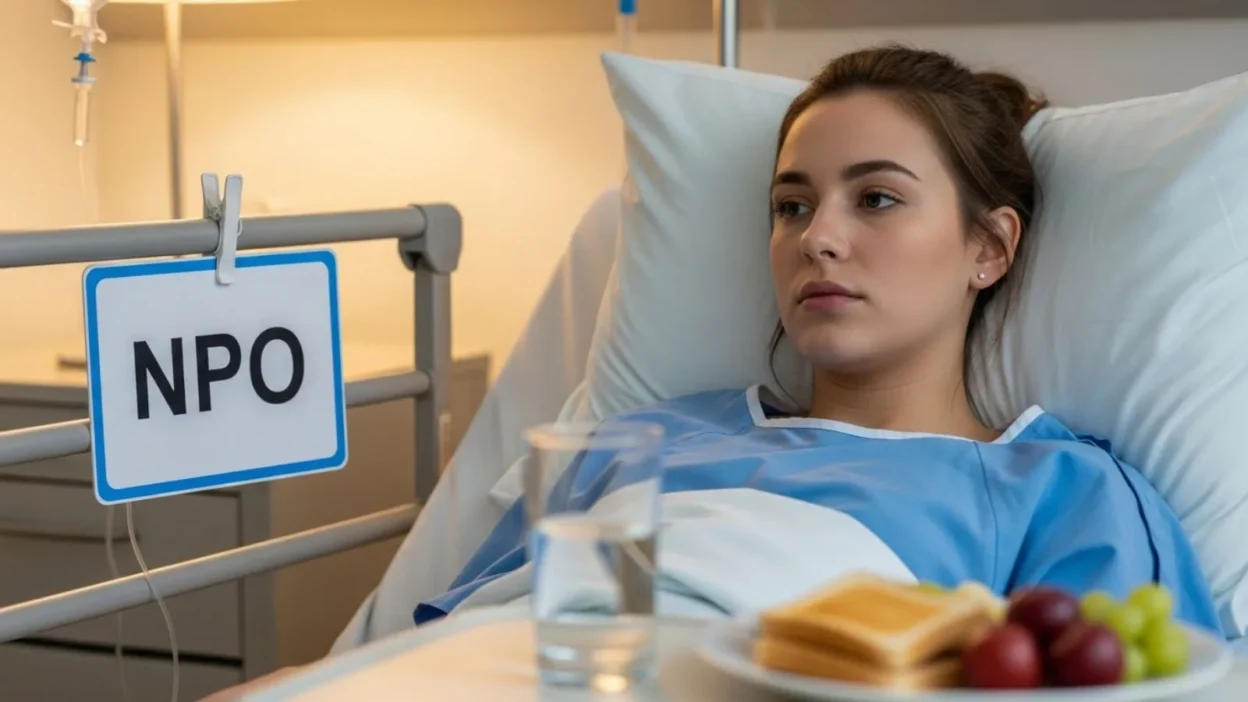
If you’ve ever been admitted to a hospital or had surgery, you may have seen the term NPO on medical charts or heard it from healthcare staff. But what does NPO actually mean in medical terms? NPO stands for Nil Per Os, a Latin phrase that translates to “nothing by mouth.”
It is a common instruction given to patients before surgeries, certain medical procedures, or specific diagnostic tests. Following NPO guidelines is crucial for patient safety, as it helps prevent complications such as aspiration, ensures accurate test results, and reduces risks during anesthesia.
Many patients find NPO instructions confusing, especially when it comes to drinking water, taking medications, or understanding fasting durations.
In this article, we will explore the full meaning of NPO, why doctors order it, detailed guidelines before surgery, exceptions, common misconceptions, and practical tips for patients. By the end, you’ll have a clear understanding of how NPO works in healthcare.
Definition of NPO in Medicine
In medical terms, NPO is an abbreviation for the Latin phrase Nil Per Os, which literally means “nothing by mouth.” This term is widely used in hospitals, clinics, and surgical centers to instruct patients not to consume any food, liquids, or even medications orally for a specified period. The NPO order is a critical part of patient care, especially before surgical procedures, anesthesia, or certain diagnostic tests.
The main purpose of NPO is to ensure patient safety. When patients eat or drink before surgery, there is a risk that stomach contents could enter the lungs during anesthesia, leading to a serious condition called aspiration pneumonia. Additionally, fasting helps provide accurate results for tests such as blood glucose, cholesterol, or lipid panels.
NPO orders are not always permanent; they are time-bound and vary depending on the procedure, patient age, and medical condition. For example, adults may be instructed to stop eating 6–8 hours before surgery, while clear liquids might be allowed up to 2 hours prior. Children and infants often follow different fasting schedules.
It’s important for patients to understand that NPO does not mean skipping essential medications unless specifically directed by a healthcare provider. Nurses and medical staff closely monitor NPO compliance and educate patients to avoid any confusion. Understanding what NPO means is the first step in following medical instructions safely and effectively.
The Purpose of NPO Orders
The primary reason doctors issue NPO orders is to ensure patient safety before medical procedures, surgeries, or certain diagnostic tests. By instructing a patient to have “nothing by mouth,” healthcare providers reduce the risk of aspiration, a dangerous condition where food, liquids, or stomach contents enter the lungs during anesthesia. Aspiration can cause serious complications, including pneumonia, respiratory distress, or even life-threatening situations, making NPO orders an essential precaution.
Beyond surgery, NPO instructions are also important for ensuring accurate test results. Blood tests for glucose, cholesterol, and lipid levels often require fasting to avoid interference from recently consumed food or beverages. Similarly, imaging procedures that involve sedation or contrast dye may require NPO to prevent nausea, vomiting, or other complications.
NPO orders also allow doctors to control fluid and nutrient intake, particularly in patients with digestive disorders, severe nausea, or gastrointestinal issues. In some cases, it provides time for the stomach and intestines to rest or prepare for treatment.
Following NPO orders carefully is critical. Even small deviations, like drinking water too close to surgery, can lead to delays, rescheduling, or medical risks. Nurses and hospital staff play a vital role in educating patients, monitoring compliance, and answering questions about what is allowed during the fasting period.
In summary, NPO orders are more than a rule—they are a preventive measure that protects patients, ensures accurate test results, and reduces complications during medical procedures.
NPO Guidelines Before Surgery
Understanding NPO guidelines before surgery is crucial for patient safety and smooth medical procedures. The fasting instructions can vary depending on the type of surgery, patient age, and hospital policies, but the general goal is to ensure the stomach is empty to reduce the risk of aspiration during anesthesia.
For most adult patients, solid foods are usually restricted 6–8 hours before surgery, while clear liquids such as water, apple juice, or tea may be allowed up to 2 hours prior. These clear liquids help prevent dehydration without significantly increasing the risk of aspiration. It’s important to note that beverages containing milk, cream, or alcohol are generally not considered clear liquids and should be avoided.
For children and infants, fasting schedules are slightly different. Infants may have breast milk up to 4 hours before surgery, formula up to 6 hours, and clear liquids up to 2 hours before anesthesia. Hospitals often provide specific guidelines to parents to ensure compliance and prevent last-minute delays.
Certain medications may still be taken with a small sip of water, but only if approved by the doctor. Patients should never adjust their fasting instructions on their own, as doing so can lead to surgical delays or complications.
Following NPO guidelines strictly ensures a safer anesthesia experience, minimizes surgical risks, and allows medical staff to perform procedures efficiently. Clear communication between patients and healthcare providers is essential, so any questions about timing or allowed fluids should always be clarified ahead of surgery.
NPO and Medication
When patients are placed on NPO status, one common concern is whether they can still take their medications. The answer depends on the type of medication, the patient’s condition, and the instructions given by the healthcare provider. In general, essential medications may still be taken with a small sip of water, even while fasting, but only if explicitly approved by a doctor or nurse.
Certain medications, such as blood pressure drugs, heart medications, or insulin, may need to be taken to prevent serious health complications. On the other hand, medications that require food for proper absorption or can irritate the stomach may need to be temporarily withheld until after the procedure. Doctors carefully evaluate which medications can be taken during NPO periods to balance patient safety with fasting requirements.
For patients on multiple medications, it is important to clarify each medication with the healthcare team. Nurses often provide detailed instructions and create schedules to prevent confusion. In some cases, medications may be administered intravenously (IV) to maintain their effect without breaking NPO restrictions.
Patients should never make independent decisions about taking medications while NPO. Accidental intake of the wrong medication or taking it with food can interfere with anesthesia, lab results, or the procedure itself. Following the prescribed guidelines ensures that the patient’s medical needs are met while maintaining the safety and effectiveness of NPO orders.
Common Misconceptions About NPO
Despite being a standard medical instruction, NPO orders are often misunderstood by patients and caregivers. One of the most common misconceptions is that all liquids are forbidden. While solid foods are strictly restricted, many hospitals allow clear liquids such as water, apple juice, or tea up to two hours before surgery. Confusing these guidelines can cause unnecessary stress and dehydration.
Another frequent misunderstanding is thinking that NPO means skipping all medications. In reality, essential medications, such as those for heart conditions, blood pressure, or diabetes, may be taken with a small sip of water, but only under medical guidance. Taking or skipping medication without instruction can lead to serious health risks or complications during procedures.
Some patients assume that NPO instructions apply to everyone in the same way, but fasting times vary by age, procedure type, and medical condition. For example, Misinterpreting these rules can lead to delays or rescheduling of surgeries.
Finally, some people believe NPO is optional or flexible. In truth, ignoring NPO guidelines can result in aspiration, inaccurate lab results, and surgical complications. Nurses and healthcare staff play a crucial role in educating patients about these rules and clarifying what is allowed.
How Healthcare Staff Enforce NPO Orders
Healthcare staff, including doctors, nurses, and surgical teams, play a vital role in enforcing NPO orders to ensure patient safety. Once an NPO order is written, it becomes part of the patient’s medical record, and staff are responsible for monitoring compliance until the procedure is complete.
Nurses typically explain NPO instructions to patients and caregivers when they are admitted or scheduled for surgery. They clarify what foods and drinks are allowed, the timing of fasting, and whether medications can be taken. This communication helps prevent confusion and reduces the risk of noncompliance.
In addition to patient education, staff regularly document NPO adherence in medical charts. They monitor if patients consume anything outside the guidelines, such as water, snacks, or medications not approved during fasting. If a patient accidentally eats or drinks, the healthcare team reassesses the situation, which may include rescheduling the procedure or taking additional precautions during anesthesia.
Staff also coordinate with the broader medical team to ensure NPO orders align with surgical schedules, diagnostic tests, and medication plans. By enforcing these guidelines carefully, healthcare providers minimize risks, prevent complications, and ensure accurate test results.
NPO in Emergency Situations
While NPO orders are standard before planned surgeries, emergencies present unique challenges. In urgent situations, patients may require immediate surgery or medical procedures without the usual fasting period. This makes following NPO instructions more complex, but safety remains a priority.
In emergency cases, healthcare providers must balance the urgency of treatment with the risk of aspiration. Anesthesia teams often adjust their approach, using rapid sequence induction or specialized airway management techniques to minimize risks. Even if the patient has recently eaten or drunk liquids, these precautions help reduce potential complications.
In some emergency scenarios, intravenous (IV) fluids and medications are used to maintain hydration and treat medical conditions, bypassing the need for oral intake. This allows the patient to remain effectively “NPO” while still receiving essential support.
Communication is also key. Even in emergencies, staff explain the situation to the patient and family, outlining the risks and measures taken to ensure safety.
Ultimately, NPO instructions in emergencies are adapted rather than ignored. The focus is on protecting the patient, enabling urgent medical care, and reducing complications while managing the unique challenges of an unplanned procedure.
Alternatives and Modifications to NPO
While standard NPO orders require complete abstinence from food and drink, there are situations where modifications or alternatives are necessary. These adjustments help meet a patient’s medical needs while maintaining safety before surgery or medical procedures.
One common alternative is the use of intravenous (IV) fluids or nutrition, especially for patients who cannot safely fast orally due to medical conditions. IV fluids keep patients hydrated, maintain electrolyte balance, and provide essential nutrients without breaking NPO restrictions. In some cases, medications can also be administered intravenously to ensure ongoing treatment.
Partial or modified fasting is another approach. For example, certain clear liquids may be allowed closer to surgery, or a light snack may be permitted several hours before procedures, depending on the patient’s condition and hospital policy. These modifications are carefully planned by doctors to minimize aspiration risks while reducing discomfort from prolonged fasting.
Special exceptions may also apply to patients with diabetes, kidney disease, or other chronic conditions. These patients require close monitoring of blood sugar, electrolytes, and fluid levels. Adjusted NPO instructions, combined with medical supervision, ensure that fasting does not worsen their underlying condition.
Clear communication is crucial. Patients and caregivers must understand what is permitted, the timing of intake, and any medical reasons for exceptions. By using alternatives and modifications to NPO, healthcare providers can safely accommodate individual needs while maintaining the core purpose of NPO: protecting patient safety and procedure success.
Risks of Not Following NPO Instructions
Ignoring NPO instructions can have serious consequences for patients undergoing surgery or medical procedures. The most significant risk is aspiration, where food, liquids, or stomach contents enter the lungs during anesthesia. Aspiration can lead to pneumonia, respiratory distress, or even life-threatening complications, making strict adherence to NPO orders critical.
Noncompliance with NPO guidelines can also affect anesthesia safety. Anesthesia works best on an empty stomach, and eating or drinking beforehand increases the likelihood of vomiting or regurgitation during surgery. This can force the anesthesiologist to alter the procedure or postpone it entirely, potentially delaying urgent medical care.
Another risk is inaccurate diagnostic results. Blood tests for glucose, cholesterol, or lipid levels require fasting to ensure reliability. Eating or drinking beforehand can skew results, leading to misdiagnosis or inappropriate treatment plans.
Patients who do not follow NPO orders may also experience surgical delays or cancellations, which can increase stress, prolong hospital stays, and disrupt scheduling for other patients.
For these patients, even small deviations from NPO guidelines can have significant health consequences.
Overall, following NPO instructions is not optional—it is a critical safety measure. Patients should carefully read instructions, ask questions when unsure, and cooperate fully with healthcare staff to minimize risks and ensure the success of their medical procedures.
NPO for Diagnostic Tests
In addition to surgical procedures, NPO instructions are commonly required for certain diagnostic tests to ensure accurate and reliable results. Fasting helps prevent interference from food and liquids, which can alter laboratory readings or affect imaging studies.
Blood tests are one of the most common situations requiring NPO. Tests for blood glucose, cholesterol, triglycerides, and lipid panels require fasting because recent meals can cause spikes or fluctuations, leading to misleading results. Patients are typically instructed to avoid both food and caloric beverages for 8–12 hours prior to these tests, while water is usually permitted to prevent dehydration.
Imaging procedures such as abdominal ultrasounds, CT scans, or procedures using contrast dye may also require NPO. Eating beforehand can interfere with visualization of organs or cause nausea during sedation. In these cases, fasting ensures the test is performed safely and effectively.
Patients should also be aware of medication considerations while fasting for diagnostic tests. Certain medications may still be taken with a small sip of water, but others may need to be temporarily withheld. Always consult the healthcare provider or lab staff for specific instructions.
For children and infants, NPO requirements may be adjusted based on age, procedure type, and health condition. Hospitals typically provide detailed instructions to parents or caregivers to ensure compliance.
Following NPO guidelines for diagnostic tests is essential for accurate results and safe procedures. Understanding the timing and restrictions allows patients to prepare properly, avoid rescheduling, and ensure that healthcare providers can make informed medical decisions.
Patient Education and Tips
Patient education plays a critical role in ensuring NPO orders are followed correctly. Understanding the meaning of NPO, the timing of fasting, and what is allowed can reduce anxiety and prevent complications before surgery or diagnostic procedures.
One key tip for patients is to clarify instructions with healthcare staff. If the timing for fasting, allowed liquids, or medications is unclear, asking questions can prevent mistakes. Hospitals often provide written guidelines or checklists to help patients follow NPO orders accurately.
Patients should also plan meals and drinks carefully before the fasting period begins. Eating a balanced meal well ahead of the NPO start time can reduce hunger and discomfort. Staying hydrated by drinking clear liquids, if permitted, helps prevent dehydration during fasting.
For those taking medications, it is essential to consult doctors or nurses about which medications can be safely taken during NPO. Using IV alternatives or adjusting medication schedules may be recommended for certain chronic conditions, such as diabetes or heart disease.
Other practical tips include:
- Avoiding chewing gum or candies, which may break NPO.
- Setting reminders for the start of fasting.
- Preparing for potential anxiety or stress by practicing relaxation techniques.
Finally, patients and caregivers should communicate any issues immediately, such as accidental eating or nausea, to ensure safety and avoid procedure delays. Educating patients about NPO and providing clear guidance ensures compliance, reduces risks, and promotes a smoother medical experience.
FAQs
1. Can I drink water if I’m NPO?
In most cases, clear liquids like water are allowed up to 2 hours before surgery or tests, but always follow your specific hospital instructions. Avoid milk, juice with pulp, or other beverages unless explicitly approved.
2. How long should I fast before surgery?
Fasting times vary depending on the procedure and patient age. Adults typically fast 6–8 hours for solids and may take clear liquids up to 2 hours prior. Children, infants, and patients with special conditions may have adjusted fasting schedules.
3. Can I take medications while NPO?
Essential medications may often be taken with a small sip of water. Non-essential medications that require food may need to be temporarily withheld. Always confirm with your healthcare provider before taking any medications.
4. What happens if I accidentally eat or drink?
Accidental intake can increase the risk of aspiration, vomiting under anesthesia, or inaccurate test results. Notify your healthcare team immediately. They will assess whether the procedure needs rescheduling or additional precautions.
5. Is NPO the same for everyone?
No. NPO instructions differ for adults, children, and patients with chronic conditions. Hospitals provide individualized guidelines to ensure safety and procedure accuracy.
Conclusion
Understanding NPO in medical terms is essential for anyone preparing for surgery, diagnostic tests, or certain medical procedures.
NPO, which stands for Nil Per Os or “nothing by mouth,” is a critical instruction designed to protect patient safety, prevent aspiration, and ensure accurate test results.
Following NPO orders carefully can prevent complications, delays, and unnecessary risks during anesthesia or medical procedures.
Patients should be aware of fasting times, allowed liquids, and medication guidelines, and always communicate with healthcare providers if they are unsure.
Nurses and doctors play a key role in educating and guiding patients to comply with NPO orders safely.
By understanding NPO, its purpose, and practical tips for following it, patients and caregivers can approach procedures confidently, reduce stress, and support a smooth, safe medical experience.
Remember, adhering to NPO instructions is a simple yet powerful step in ensuring your health and safety.

I’m the mind behind Jokesattack.com, your go-to place for daily laughs, clever puns, and hilarious memes. Spreading smiles one joke at a time!