
Artificial food dyes are everywhere, and Red 40 is one of the most widely used. You’ll find it in candies, soft drinks, breakfast cereals, baked goods, and even some medications.
While it makes food look more appealing, many people are asking an important question: what does Red 40 do to your body? Concerns have grown as parents notice behavior changes in children, adults report headaches or digestive discomfort, and researchers continue studying its long term health effects.
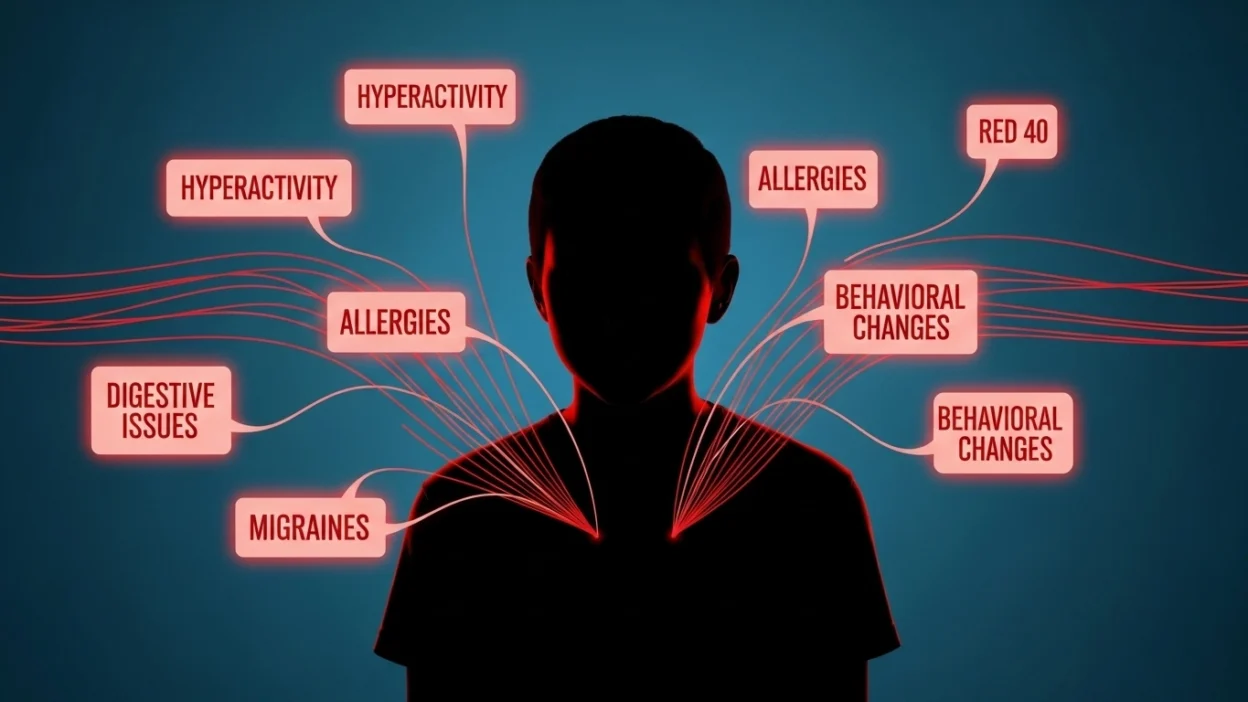
Although Red 40 is approved by the FDA, that doesn’t mean it affects everyone the same way. Some individuals may experience sensitivity, allergic reactions, or hyperactivity after consuming foods with this dye.
This article breaks down how Red 40 works in the body, its potential side effects, and what science really says about its safety. By understanding the facts, you can make informed choices about what you eat and how to reduce unnecessary exposure to artificial food coloring.
What Is Red 40?
Red 40, also known as Allura Red AC, is a synthetic food dye made from petroleum-based chemicals. It is one of the most commonly used artificial colorings in the United States and many other countries. Manufacturers add Red 40 to foods and beverages to enhance color, making products look brighter, fresher, and more appealing to consumers. You’ll commonly find it in candies, sodas, flavored snacks, breakfast cereals, baked goods, sports drinks, and even some medications and vitamins.
The U.S. Food and Drug Administration (FDA) has approved Red 40 for use in food, beverages, cosmetics, and drugs, labeling it as Generally Recognized as Safe (GRAS) when consumed within regulated limits. However, approval does not mean it is completely harmless for everyone. Red 40 does not provide any nutritional value, and its purpose is purely cosmetic.
Chemically, Red 40 is an azo dye, meaning it contains compounds that can break down into substances the body must process and eliminate. After consumption, it passes through the digestive system and is eventually excreted, but small amounts may interact with gut bacteria or trigger reactions in sensitive individuals. While many people consume Red 40 without noticeable issues, growing research suggests that certain groups—especially children and those with sensitivities—may experience side effects. This has led to ongoing debate about whether artificial food dyes like Red 40 should be limited in everyday diets.
How Red 40 Works in the Body
When you consume foods or drinks containing Red 40, the dye enters your body through the digestive system. Unlike nutrients such as vitamins or minerals, Red 40 has no biological benefit. Instead, it is treated as a foreign substance that the body must process and eliminate. Most of the dye passes through the gastrointestinal tract and is excreted, but small amounts may interact with the gut and other systems along the way.
In some individuals, Red 40 can affect the nervous system, particularly in children. Research suggests that artificial dyes may influence brain chemicals linked to attention and behavior, which helps explain reports of hyperactivity, restlessness, or difficulty focusing after consumption. The effects are not the same for everyone and often depend on how much is consumed and how sensitive the person is.
Red 40 may also impact the gut microbiome. Studies indicate that artificial food dyes can alter the balance of gut bacteria, potentially leading to bloating, discomfort, or digestive irritation in sensitive people. Additionally, Red 40 can trigger immune responses in some individuals, causing symptoms such as headaches, skin rashes, or mild inflammation.
Age, genetics, existing health conditions, and overall diet all play a role in how Red 40 affects the body. While many people tolerate it without obvious symptoms, others may experience noticeable reactions even at low levels. Understanding how Red 40 works internally can help explain why its effects vary so widely from person to person.
Red 40 and Hyperactivity in Children
One of the most talked-about concerns surrounding Red 40 is its possible link to hyperactivity and behavioral changes in children. Many parents report that their children become more restless, impulsive, or have trouble concentrating after consuming foods containing artificial dyes like Red 40. While not every child is affected, research suggests that certain children may be more sensitive than others.
Several studies have examined the connection between artificial food dyes and attention-related behaviors. Some findings indicate that Red 40 may worsen symptoms in children with attention-deficit/hyperactivity disorder (ADHD) or contribute to temporary behavior changes in children without a diagnosis. Scientists believe this may be due to how artificial dyes interact with neurotransmitters in the brain or influence the gut-brain connection.
Children are especially vulnerable because their bodies and nervous systems are still developing. They also tend to consume more brightly colored, processed foods such as candy, snacks, and sugary drinks, which often contain Red 40. Even small amounts may have a noticeable effect in sensitive children.
It’s important to note that Red 40 does not cause ADHD, but it may intensify existing symptoms or trigger short-term behavioral issues. Many health professionals recommend that parents monitor their child’s diet and reduce artificial dyes if behavioral changes are noticed. Choosing whole foods, reading ingredient labels, and opting for naturally colored products can help minimize potential effects while supporting overall child health.
Allergic Reactions and Sensitivities to Red 40
While many people consume Red 40 without noticeable problems, some individuals experience allergic reactions or sensitivities after eating foods that contain this artificial dye. These reactions can range from mild to uncomfortable and may appear shortly after consumption or build up with repeated exposure.
Common symptoms linked to Red 40 sensitivity include skin rashes, hives, itching, and swelling, particularly around the face or mouth. In some cases, people report headaches, dizziness, or a flushed feeling. Those with asthma or existing allergies may be more vulnerable, as Red 40 can sometimes trigger respiratory symptoms such as wheezing or nasal congestion.
The immune system plays a key role in these reactions. In sensitive individuals, Red 40 may be mistakenly identified as a harmful substance, causing the body to release histamines and other chemicals. This response leads to inflammation and the physical symptoms associated with allergic reactions. Children appear to be more prone to these effects, but adults can also experience sensitivity, especially with frequent intake.
Identifying Red 40 as the cause can be challenging because it is present in so many processed foods, drinks, and even medications. Keeping a food diary and noting symptoms after consumption can help pinpoint triggers. If symptoms persist or worsen, healthcare professionals often recommend eliminating artificial dyes from the diet. Reading ingredient labels carefully and choosing products with natural coloring alternatives can significantly reduce the risk of allergic reactions and improve overall well-being.
Potential Long Term Health Effects of Red 40
Beyond short-term reactions, many people are concerned about the long-term health effects of Red 40, especially with frequent consumption over time. Research in this area is ongoing, and while findings are mixed, some studies raise important questions about prolonged exposure to artificial food dyes.
Animal studies have suggested that high doses of Red 40 may be linked to increased inflammation and, in rare cases, tumor development. However, it’s important to clarify that these results were observed under controlled laboratory conditions using doses far higher than what most people consume daily. Human studies have not established a direct link between Red 40 and cancer, but researchers agree that more long-term data is needed.
Another growing area of interest is the impact of Red 40 on the gut microbiome. Artificial dyes may disrupt the balance of beneficial gut bacteria, which plays a crucial role in digestion, immunity, and overall health. An unhealthy gut environment has been associated with issues such as chronic inflammation, weakened immune response, and digestive discomfort.
Long-term exposure may also contribute to ongoing behavioral issues in sensitive children and persistent headaches or skin problems in adults. Because Red 40 offers no nutritional benefit, many health experts recommend limiting intake as a precautionary measure. Reducing processed foods and choosing natural alternatives can lower potential risks while supporting long-term health. Although Red 40 is considered safe within regulatory limits, mindful consumption remains an important part of a balanced diet.
Red 40 and Digestive Health
Red 40 may also affect digestive health, particularly in people who are sensitive to artificial additives. After ingestion, the dye passes through the gastrointestinal tract, where it can interact with the lining of the gut and the community of bacteria living there. While many individuals experience no digestive issues, others report symptoms such as bloating, gas, stomach discomfort, or changes in bowel habits after consuming foods containing Red 40.
Research suggests that artificial food dyes like Red 40 may disrupt the balance of the gut microbiome. Healthy gut bacteria are essential for digestion, nutrient absorption, and immune function. When this balance is altered, it can contribute to inflammation and digestive irritation. In sensitive individuals, this disruption may worsen existing digestive conditions such as irritable bowel syndrome (IBS) or food intolerances.
Another concern is that Red 40 may increase gut permeability in some people, sometimes referred to as “leaky gut.” This can allow substances that normally remain in the digestive tract to enter the bloodstream, potentially triggering inflammation or immune responses. While more research is needed to fully confirm this effect in humans, it remains an area of growing interest.
Maintaining good digestive health involves being mindful of food choices. Limiting heavily processed foods, increasing fiber intake, and choosing whole, natural ingredients can help support a healthier gut. For those experiencing ongoing digestive discomfort, avoiding artificial dyes like Red 40 may lead to noticeable improvement in symptoms and overall digestive well-being.
Hidden Sources of Red 40
Many people assume Red 40 is only found in brightly colored candies or sugary drinks, but in reality, it appears in a wide range of unexpected products. One of the most overlooked sources is medications and supplements. Over-the-counter pain relievers, allergy medicines, cough syrups, and vitamin gummies often contain Red 40 to improve appearance or flavor, even though the dye has no medical purpose.
Red 40 is also commonly used in processed and packaged foods that don’t necessarily look red. Items such as flavored yogurts, salad dressings, sauces, instant noodles, and snack foods may contain small amounts of the dye to enhance color consistency. Even products labeled as “fruit-flavored” or “kids’ snacks” are frequent sources.
Another hidden area is cosmetics and personal care products, including lip balms, toothpaste, mouthwash, and flavored dental products. Although these items are not meant to be swallowed, small amounts may still be ingested over time, contributing to overall exposure.
Because Red 40 can appear under different names, such as Allura Red AC or FD&C Red No. 40, many consumers unknowingly consume it daily. This makes label reading especially important for individuals with sensitivities or parents trying to limit their child’s intake. Choosing dye-free medications, checking ingredient lists carefully, and opting for minimally processed foods can significantly reduce hidden exposure and help maintain better long-term health.
How to Reduce Red 40 Intake
Reducing Red 40 intake starts with becoming more aware of what you eat and use every day. One of the most effective steps is reading ingredient labels carefully. Red 40 may appear under names such as FD&C Red No. 40 or Allura Red AC, so recognizing these terms can help you avoid it more easily.
Limiting processed and packaged foods is another key strategy. Brightly colored snacks, candies, sugary cereals, and flavored drinks are among the biggest sources of Red 40. Replacing these with whole foods like fruits, vegetables, nuts, and homemade meals can significantly reduce exposure while improving overall nutrition.
When shopping, look for products labeled “no artificial colors” or “dye-free.” Many brands now offer natural alternatives that use coloring from beet juice, paprika, turmeric, or fruit and vegetable extracts. These options provide color without relying on synthetic dyes.
Parents can help children reduce Red 40 intake by offering healthier snacks and explaining, in simple terms, why certain foods are better choices. Meal prepping at home also gives you greater control over ingredients and reduces reliance on convenience foods.
For medications and supplements, ask pharmacists about dye-free alternatives, especially if you or your child has known sensitivities. While avoiding Red 40 completely may be difficult, making small, consistent changes can greatly reduce daily exposure and help support better long-term health and well-being.
Red 40 in Medications and Supplements
Red 40 is not only present in food and drinks but also in medications, vitamins, and dietary supplements, often in forms that people may not expect. Over-the-counter medications such as cough syrups, allergy relief tablets, and pain relievers may contain Red 40 to improve appearance or make the product more appealing, especially to children. Similarly, gummy vitamins and chewable supplements frequently use Red 40 to create bright, attractive colors.
Even though these dyes are not active ingredients and do not affect the medication’s effectiveness, they can contribute to overall Red 40 intake. For sensitive individuals, repeated exposure from both food and supplements may increase the likelihood of side effects such as skin reactions, digestive discomfort, or mild hyperactivity. This is particularly important for children, who are more susceptible to behavioral changes and other sensitivities.
Parents and adults who wish to reduce exposure can take practical steps. First, always check the ingredient labels of medications and vitamins. Some products are labeled “dye-free” or “color-free”, providing safe alternatives without artificial coloring. Pharmacists can also recommend substitutes that do not contain Red 40. For children, choosing chewable or liquid supplements that rely on natural colors, like fruit extracts, can make a significant difference.
Being aware of hidden sources of Red 40 beyond food allows individuals to better control daily intake. Limiting exposure from both diet and supplements can help reduce potential health risks while promoting overall wellness.
FAQs:
1. Is Red 40 safe for children?
Red 40 is approved by the FDA and generally safe in small amounts. However, some children may be sensitive and experience hyperactivity, behavioral changes, or mild allergic reactions. Limiting intake and choosing dye-free alternatives can help.
2. Can Red 40 cause ADHD?
Red 40 does not cause ADHD, but studies suggest it may exacerbate symptoms in sensitive children. Behavioral changes are usually temporary and linked to high consumption of artificial food dyes.
3. How much Red 40 is too much?
The FDA sets acceptable daily intake (ADI) at 7 mg per kilogram of body weight. Most people consume far less than this, but frequent intake from processed foods and supplements can add up. Sensitive individuals may notice effects at lower levels.
4. Does Red 40 affect adults differently than children?
Adults are generally less sensitive, but some may experience headaches, digestive discomfort, or mild allergic reactions. Children are more prone to behavioral effects due to developing nervous systems.
5. Are natural food colorings better than Red 40?
Yes, natural colorings from beets, turmeric, or paprika are generally safer and less likely to trigger reactions. However, some people may still experience allergies, so it’s important to monitor individual tolerance.
6. How can I reduce Red 40 exposure?
Read labels carefully, avoid processed foods, choose dye-free medications and supplements, and replace artificial colors with natural alternatives. Cooking at home also gives better control over what you consume.
7. Is Red 40 banned anywhere?
Yes, some countries, including parts of Europe, have stricter regulations or require warning labels due to potential behavioral effects in children.
Conclusion:
Red 40 is one of the most common artificial food dyes, widely used in candies, drinks, baked goods, supplements, and even some medications. While it is generally recognized as safe by the FDA, its effects vary from person to person.
Children and sensitive individuals may experience hyperactivity, behavioral changes, allergic reactions, or digestive discomfort, while most adults tolerate it without obvious issues.
Long-term exposure may have subtle effects on gut health, and some research continues to investigate potential risks.
The key to minimizing Red 40’s impact is awareness and moderation. Reading ingredient labels, limiting processed foods, choosing dye-free alternatives, and opting for natural colorings can help reduce exposure.
By understanding how Red 40 interacts with the body, you can make informed decisions for yourself and your family.
Moderation and mindful choices allow you to enjoy colorful foods safely while prioritizing overall health and well-being.

I’m the mind behind Jokesattack.com, your go-to place for daily laughs, clever puns, and hilarious memes. Spreading smiles one joke at a time!