
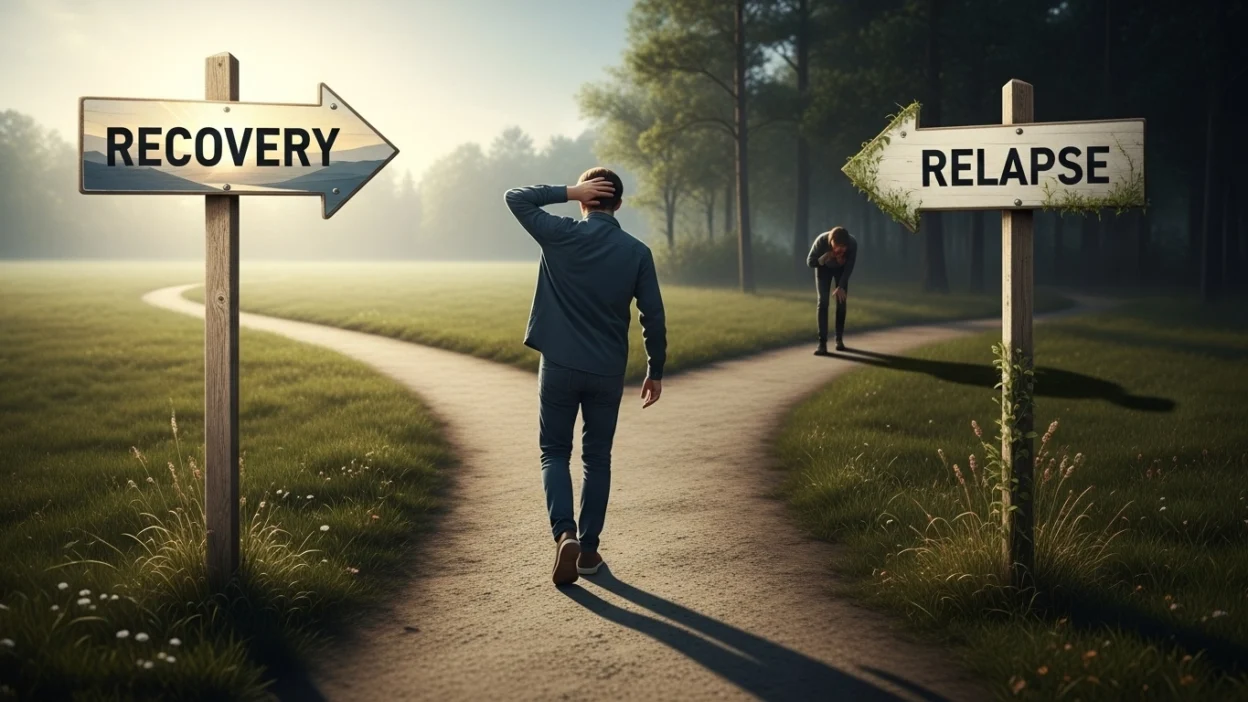
Many people hear the term relapse but don’t fully understand what it means, especially in the context of addiction, mental health, or chronic illnesses.
A relapse does not mean failure it is often a temporary setback that signals the need for more support, awareness, and care.
Understanding what relapse means can help individuals recognize early warning signs, manage triggers, and take proactive steps toward recovery.
If it’s a relapse in addiction, such as returning to substance use, or a mental health relapse, like a return of depressive symptoms, knowing the causes and consequences is essential.
This article will explore the definition of relapse, common signs and symptoms, emotional impact, and effective relapse prevention strategies. By the end, you’ll gain a clear understanding of relapse, learn how to identify triggers, and discover ways to support long-term recovery without judgment or shame.
What Does Relapse Mean Quick Answer
A relapse refers to the return of a behavior or condition that a person has been trying to control or recover from. In the context of addiction, a relapse usually means resuming substance use, such as alcohol, drugs, or nicotine, after a period of abstinence. In mental health, it may involve a return of symptoms like depression, anxiety, or other psychological challenges after a period of improvement. While many people view relapse as a failure, it is often a normal part of the recovery process and an opportunity to learn and strengthen coping skills.
It is important to distinguish between a lapse and a relapse. A lapse is a brief setback, such as having a single drink after quitting alcohol, while a relapse involves returning to previous harmful patterns over a longer period. Understanding this difference can help reduce shame and encourage proactive steps toward recovery.
Relapse can occur due to various triggers, including stress, social pressures, emotional challenges, or environmental factors. Recognizing the early signs of relapse, such as cravings, withdrawal from support networks, or mood changes, is crucial for preventing a full relapse. By knowing what relapse means, individuals and caregivers can better implement prevention strategies and support ongoing recovery, emphasizing that relapse is a signal for adjustment rather than a personal failure.
The Origin of the Term Relapse
The word relapse has a long history in medicine and everyday language. It comes from the Latin word relabi, which means “to slip back” or “to fall again.” This origin reflects the core meaning of relapse: a return to a previous state after a period of improvement. Historically, the term was first used in medical texts to describe patients whose symptoms reappeared after a temporary recovery from illnesses, such as fevers or chronic conditions. Over time, the meaning expanded to include behavioral and psychological contexts, particularly in addiction recovery and mental health treatment.
In the early 20th century, relapse became a common term in medical and psychological literature, often associated with alcoholism and drug addiction. Researchers began studying the patterns and causes of relapse to better understand how individuals return to harmful behaviors. In modern psychology, relapse is recognized as a complex process influenced by triggers, environmental factors, and emotional states rather than a simple lapse of willpower.
Today, understanding the origin and evolution of the term relapse helps reduce the stigma often associated with it. By recognizing that relapse is part of a natural process of recovery, healthcare professionals, caregivers, and individuals can approach it with compassion, focusing on learning from setbacks and strengthening relapse prevention strategies. This historical perspective highlights that relapse is not a sign of weakness but a signal to reassess and adjust recovery approaches.
Signs and Symptoms of a Relapse
Recognizing the signs and symptoms of a relapse is crucial for taking early action and preventing a full setback. Relapse can manifest in emotional, behavioral, and physical ways, depending on the individual and the context, whether it’s addiction or mental health.
Emotional signs often appear first. A person may feel increased irritability, anxiety, sadness, or frustration. They might experience intense cravings for substances or a strong urge to return to old habits. Feelings of hopelessness or self-doubt can also indicate that a relapse is approaching.
Behavioral signs include withdrawing from social support networks, skipping therapy or recovery meetings, neglecting daily routines, or resuming risky behaviors. In addiction, even small lapses, like having a single drink or using a substance once, can signal a potential full relapse if not addressed promptly.
Physical symptoms can also occur, especially in substance-related relapses. These may include fatigue, sleep disturbances, appetite changes, or withdrawal-related symptoms such as sweating, nausea, or tremors.
It’s important to note that a lapse is different from a relapse. A lapse is a short-term slip, while a relapse involves returning to previous harmful behaviors more consistently. By understanding and monitoring these warning signs, individuals can take proactive steps, such as seeking support, adjusting therapy strategies, and using relapse prevention techniques, to regain control and continue their path to recovery. Early recognition is key to turning potential setbacks into opportunities for learning and growth.
Common Causes of Relapse
Understanding the common causes of relapse is essential for anyone in recovery or supporting someone through it. Relapse rarely happens without triggers or contributing factors, and recognizing these causes can help prevent setbacks.
One of the most frequent causes is stress. High-pressure situations at work, school, or home can overwhelm coping mechanisms, making it easier to return to old habits. Emotional stress, such as feelings of loneliness, sadness, or frustration, is also a major trigger for both addiction relapse and mental health relapse.
Environmental triggers play a significant role. Being in places associated with previous substance use, seeing people who encourage old behaviors, or exposure to unhealthy habits can prompt a relapse. For example, attending a party where alcohol is present may be particularly risky for someone in recovery from alcoholism.
Behavioral factors are another common cause. Skipping therapy sessions, neglecting support networks, or abandoning structured routines increases vulnerability. Lack of sleep, poor nutrition, and inactivity can weaken mental resilience and make relapse more likely.
Additionally, comorbid mental health conditions—such as depression, anxiety, or trauma—can heighten the risk. People struggling with multiple issues may find it harder to manage triggers, increasing the chance of returning to harmful behaviors.
By identifying these triggers and causes, individuals can create relapse prevention strategies tailored to their needs. Awareness of what leads to a relapse allows people to plan coping strategies, build stronger support systems, and maintain long-term recovery.
Relapse in Addiction vs. Relapse in Mental Health
Relapse can occur in different contexts, most commonly in addiction and mental health, but it is important to understand that the triggers, symptoms, and strategies for prevention can differ.
In addiction relapse, the return to substance use is often triggered by cravings, exposure to substances, or high-risk situations. Physical dependence can make it harder to resist urges, and environmental cues—such as being around friends who use drugs or alcohol—can increase the likelihood of relapse. Behavioral patterns, like skipping recovery meetings or neglecting therapy, also contribute. Addiction relapse is often measurable through physical signs, such as changes in energy levels, appearance, or withdrawal symptoms.
Triggers can include stress, lack of sleep, emotional strain, or discontinuing therapy or medication. Unlike addiction relapse, the signs are often emotional or cognitive, such as mood swings, irritability, loss of interest in activities, or difficulty concentrating.
Despite these differences, both types of relapse share common elements. Early warning signs, emotional distress, and the importance of a support system are crucial in preventing setbacks. Recognizing triggers and implementing relapse prevention strategies—such as therapy, medication adherence, lifestyle changes, and support networks—can help manage both addiction and mental health relapse effectively.
Emotional Impact of Relapse
Experiencing a relapse can have a profound emotional impact, often affecting motivation, self-esteem, and overall well-being. Many people feel guilt, shame, or frustration when they return to previous harmful behaviors, whether in addiction, mental health, or chronic illness recovery. These feelings are natural but can become overwhelming if not addressed properly.
For individuals in addiction recovery, a relapse may trigger intense self-blame, leading to withdrawal from support systems or hesitation to continue therapy. Similarly, a mental health relapse can cause discouragement, anxiety, or fear of never fully recovering. Emotional responses to relapse can sometimes worsen the situation, as negative feelings may themselves act as triggers for further setbacks.
It is important to understand that relapse does not signify personal failure. Instead, it is often a signal that coping mechanisms or support structures need adjustment. Embracing self-compassion is essential. Accepting that relapse is part of the recovery journey allows individuals to process emotions without judgment, regain focus, and plan for prevention.
Practical strategies for managing the emotional impact include mindfulness techniques, journaling, therapy sessions, and peer support. Sharing experiences with trusted friends, family, or recovery groups can reduce feelings of isolation and guilt. By addressing the emotional aspects of relapse, individuals can rebuild resilience, strengthen coping skills, and maintain long-term recovery.
How to Prevent Relapse
Preventing a relapse is a crucial part of maintaining long-term recovery, whether from addiction, mental health challenges, or chronic illnesses. The first step is to recognize triggers and early warning signs. Stress, emotional strain, certain social situations, or environmental cues can all increase vulnerability. Being aware of these factors allows individuals to take proactive measures before a full relapse occurs.
Building a structured routine is highly effective. Regular schedules for sleep, meals, exercise, and therapy create stability and reduce the chances of returning to harmful behaviors. Developing healthy coping mechanisms, such as mindfulness, journaling, or meditation, helps manage stress and emotional triggers.
Support networks play a significant role in relapse prevention. Engaging with support groups, family, friends, or therapists provides accountability, encouragement, and guidance. Professional help, including counseling or relapse prevention therapy, can equip individuals with tools to handle cravings, negative emotions, and high-risk situations.
It’s also important to create a personalized relapse prevention plan. This plan may include strategies like avoiding triggering environments, practicing refusal skills, maintaining therapy appointments, and monitoring progress regularly.
Finally, self-compassion is key. Understanding that relapse can happen and viewing it as an opportunity to learn rather than a failure reduces shame and strengthens resilience. With proactive strategies, awareness, and support, relapse can often be prevented or managed effectively, keeping individuals on the path to recovery.
Treatment and Support After a Relapse
Experiencing a relapse can be discouraging, but it is important to remember that recovery is still possible with proper treatment and support. Seeking help promptly after a relapse can prevent further setbacks and strengthen long-term recovery.
Professional treatment is often the first step. For addiction relapse, options include counseling, therapy, and medication-assisted treatment (MAT). Therapies such as Cognitive Behavioral Therapy (CBT) or relapse prevention therapy help individuals identify triggers, develop coping strategies, and rebuild healthy habits. For mental health relapse, continuing or adjusting medication, psychotherapy, or behavioral interventions is crucial to stabilize symptoms.
Support from family, friends, and peer groups also plays a vital role. Sharing experiences in support groups provides encouragement, accountability, and practical advice. Loved ones can offer emotional support, monitor progress, and help prevent isolation, which is a common risk factor for further relapse.
Developing a recovery plan after relapse helps regain momentum. This may include setting realistic goals, reestablishing therapy routines, tracking triggers, and implementing daily coping strategies. Celebrating small victories can rebuild confidence and reinforce commitment to recovery.
Most importantly, a relapse should be viewed as a learning opportunity rather than a failure. By combining professional treatment, emotional support, and proactive planning, individuals can overcome setbacks, strengthen resilience, and continue their journey toward long-term recovery with confidence and hope.
Real Life Scenarios of Relapse
Understanding relapse becomes clearer when examining real-life examples. These scenarios illustrate how relapse can happen in different contexts and highlight the importance of awareness and prevention strategies.
In addiction recovery, a common scenario involves someone who has been sober for several months attending a social event where alcohol is present. Feeling stressed or socially pressured, they may take a drink “just once.” This small lapse can quickly escalate into a full relapse if not addressed immediately. Recognizing early warning signs, such as cravings or withdrawal from support networks, could prevent the situation from worsening.
In mental health, a person recovering from depression might stop therapy or medication, believing they are fully healed. When faced with high stress or emotional triggers, depressive symptoms may return, including irritability, fatigue, and social withdrawal. This relapse demonstrates how discontinuing treatment or ignoring warning signs can lead to setbacks.
For chronic illnesses, relapse can occur when lifestyle changes are neglected. For example, someone with a recurring autoimmune condition may skip medication, overexert themselves, or ignore dietary recommendations, leading to a flare-up of symptoms.
These real-life scenarios show that relapse is not a failure but a signal to reassess coping strategies, support systems, and prevention plans. Learning from these experiences allows individuals to build resilience, strengthen their recovery journey, and implement practical strategies to prevent future relapses, whether in addiction, mental health, or chronic illness.
FAQs:
1. Is relapse a failure?
No. A relapse is not a personal failure. It is a common part of the recovery journey and often signals the need for reassessment of coping strategies, support systems, or treatment plans. Understanding this can reduce guilt and encourage proactive steps toward recovery.
2. How can I recover after a relapse?
Recovery after a relapse involves seeking professional help, reconnecting with support networks, and revisiting therapy or treatment plans. Identifying triggers, practicing coping strategies, and developing a personalized recovery plan are essential steps.
3. What is the difference between a lapse and a relapse?
A lapse is a brief, isolated slip, such as a single drink or a moment of negative behavior. A relapse occurs when old habits return consistently over time. Recognizing this difference helps individuals respond effectively without unnecessary self-blame.
4. Can relapse be completely prevented?
While no one can guarantee that relapse will never occur, it can be minimized through awareness of triggers, consistent therapy, strong support networks, and healthy coping mechanisms. Prevention requires ongoing commitment and proactive planning.
5. How long does it take to recover after a relapse?
Recovery time varies depending on the individual, type of relapse, and severity. Some may regain control quickly, while others need additional therapy or support. Patience, self-compassion, and consistent effort are crucial during this process.
6. Are relapses normal in recovery?
Yes. Relapses are a normal part of many recovery journeys. They offer opportunities to learn, strengthen resilience, and improve prevention strategies for future challenges.
Conclusion:
In summary, understanding what means is essential for anyone navigating recovery from addiction, mental health challenges, or chronic illnesses. is not a sign of failure but a natural part of the recovery journey that provides valuable insights into triggers, coping strategies, and support needs. Recognizing the signs and symptoms, understanding the common causes, and knowing the difference between a lapse and a full relapse can empower individuals to take proactive steps toward prevention.
Implementing prevention strategies, maintaining strong support networks, and seeking professional guidance after a setback are key to regaining momentum and sustaining long-term recovery. Real-life scenarios show that can happen to anyone, but with awareness, patience, and self-compassion, it can be managed effectively.
Remember, recovery is a journey, not a destination. By learning from setbacks and focusing on growth, individuals can navigate successfully and continue their path toward lasting well-being.
Discover More Articles
- What Does Morning Aickness Feel Like? Symptoms in 2026
- What Does Deja Vu Mean Explained for 2026
- What Does Semper fi Mean Explained for 2026

I’m the author behind Jokesattack.com, where I share the funniest jokes, puns, and memes to make your day brighter with laughter. 😄🎉