
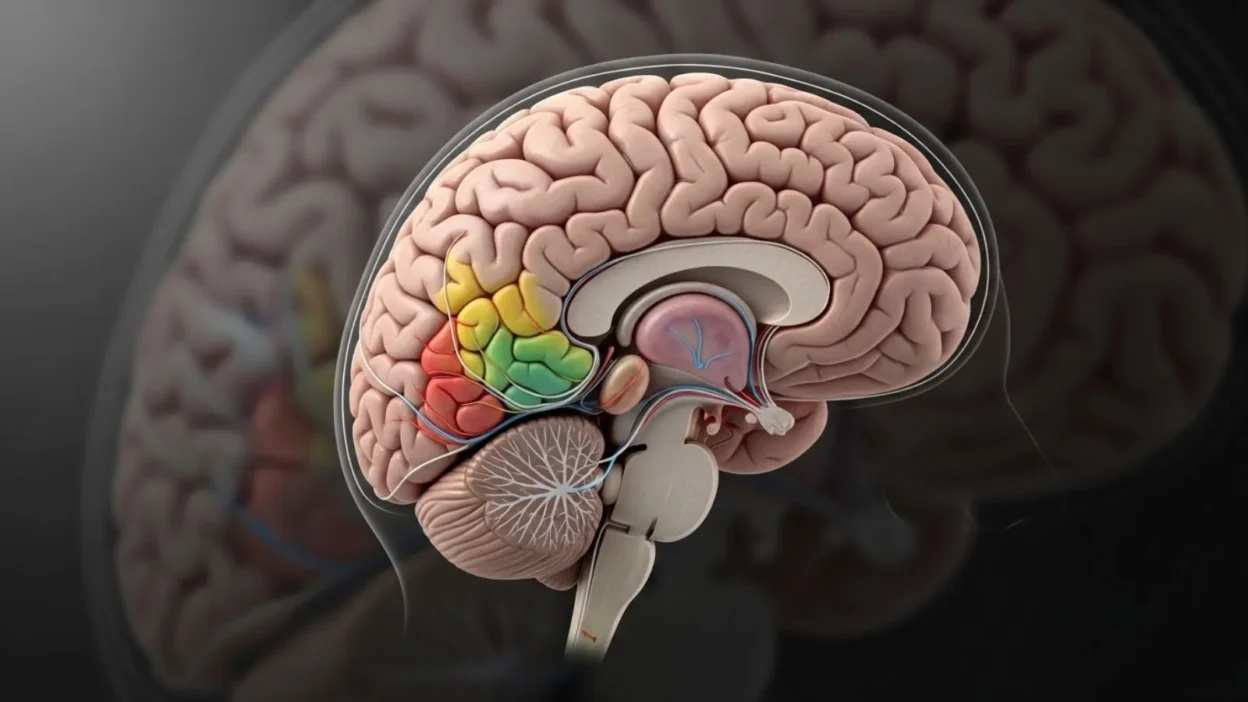
The human brain is made up of many parts, and each one has a special job. One of the most important but often overlooked parts is the thalamus. So, what does the thalamus do?
In simple terms, the thalamus acts like a central relay station that helps messages travel through the brain. Almost all the sensory information you see, hear, and feel passes through the thalamus before reaching other areas of the brain.
Without the thalamus, the brain would struggle to understand what is happening around you. It plays a key role in awareness, alertness, sleep, movement, and sensory processing.
Even though it is relatively small in size, its impact on daily life is huge. From recognizing sounds and images to staying awake and focused, the thalamus helps keep everything running smoothly.
In this article, you’ll learn what the thalamus is, where it is located, how it works, and why it is essential for normal brain function.
What Is the Thalamus?
The thalamus is a small but powerful structure located deep inside the brain. It is part of the diencephalon and sits just above the brainstem, near the center of the brain. Even though it is only about the size of a walnut, the thalamus plays a major role in how the brain functions every second of the day.
In simple terms, the thalamus acts as a communication hub. It receives information from different parts of the body and sends it to the correct areas of the brain for processing. Most sensory signals—such as touch, pain, temperature, vision, and hearing—pass through the thalamus before reaching the cerebral cortex. This is why the thalamus is often called the brain’s “relay station.”
The thalamus does not just pass messages along. It also filters and prioritizes information. This means it decides which signals are important enough to reach conscious awareness and which can be ignored. This filtering process helps prevent the brain from becoming overloaded with unnecessary information.
In addition to sensory processing, the thalamus works closely with areas of the brain involved in movement, emotions, memory, and alertness. It connects with the motor cortex, limbic system, and other brain regions to support coordinated actions and mental focus. Because of these wide-ranging connections, the thalamus is essential for normal thinking, awareness, and daily functioning. Damage to this area can affect multiple brain systems at once.
Where Is the Thalamus Located in the Brain?
The thalamus is located deep inside the brain, close to its center. It sits just above the brainstem and below the cerebral cortex, making it ideally positioned to act as a communication bridge between different parts of the brain. The thalamus is part of a region called the diencephalon, which also includes the hypothalamus and other important structures.
Structurally, the thalamus is made up of two oval-shaped masses—one on the left side of the brain and one on the right. These two halves are positioned on either side of the third ventricle, a fluid-filled space that helps circulate cerebrospinal fluid. This central placement allows the thalamus to efficiently receive and send signals in multiple directions.
Because of its location, the thalamus connects directly with the cerebral cortex, brainstem, cerebellum, and spinal cord. Sensory information traveling from the body first moves upward through the spinal cord and brainstem, then reaches the thalamus before being directed to the appropriate area of the cortex. Motor signals also pass through the thalamus as they move between the brain and the body.
The thalamus’s position is crucial for maintaining coordination, awareness, and responsiveness. Its central location allows it to quickly distribute information and help the brain respond to the environment in real time. If the thalamus were not positioned at this crossroads, communication within the brain would be slower and less organized, affecting movement, sensation, and consciousness.
Structure of the Thalamus
The thalamus has a complex structure that allows it to manage many different tasks at the same time. Although it appears small from the outside, it is made up of several specialized groups of nerve cells called thalamic nuclei. Each nucleus has a specific role and communicates with particular areas of the brain.
These nuclei are broadly divided into three main categories: sensory, motor, and association nuclei. Sensory nuclei receive information from the eyes, ears, skin, and other sensory organs. They then relay this information to the correct sensory areas of the cerebral cortex. Motor nuclei work with parts of the brain involved in movement, such as the motor cortex, cerebellum, and basal ganglia, helping coordinate smooth and controlled actions. Association nuclei connect the thalamus with higher brain regions responsible for thinking, learning, and decision-making.
The thalamus is surrounded by white matter pathways that allow fast communication between brain regions. This network of connections enables it to act as a control center rather than a simple messenger. It not only sends signals forward but also receives feedback from the cerebral cortex, adjusting how information is processed.
This organized structure is what makes the thalamus so effective. By separating tasks into different nuclei, the thalamus ensures that sensory input, motor signals, and cognitive information reach the right destination at the right time. Any damage to specific thalamic nuclei can lead to targeted problems, such as sensory loss, movement difficulties, or changes in awareness.
What Does the Thalamus Do? (Core Functions)
The thalamus plays several essential roles that keep the brain working smoothly. Its most important function is acting as a relay center for information. Almost all sensory signals from the body, including touch, pain, temperature, vision, and hearing, pass through the thalamus before reaching the cerebral cortex. By routing these signals correctly, the thalamus helps the brain understand what is happening both inside and outside the body.
Another key role of the thalamus is filtering information. The brain receives an enormous amount of sensory input every second, and the thalamus decides which signals are important enough to reach conscious awareness. This filtering process helps you focus on relevant information while ignoring unnecessary background details.
The thalamus also supports motor control. It works closely with the motor cortex, cerebellum, and basal ganglia to help plan, coordinate, and refine movement. Without the thalamus, movements would become slow, uncoordinated, or inaccurate.
In addition, the thalamus plays a major role in consciousness, alertness, and awareness. It helps regulate how awake and responsive you are to your environment. This function is closely linked to sleep regulation. The thalamus controls the flow of sensory information during different stages of sleep, allowing the brain to rest while still remaining responsive to important signals.
How the Thalamus Processes Sensory Information
One of the most important jobs of the thalamus is processing sensory information. Every moment, your body sends signals to the brain about touch, pain, temperature, sound, and visual input. The thalamus acts as the main checkpoint for these signals before they reach the cerebral cortex, where they are fully interpreted.
When sensory information travels from the body, it first moves through the spinal cord and brainstem. From there, it reaches specific thalamic nuclei designed to handle different types of sensory input. For example, visual signals from the eyes are directed to one area of the thalamus, while sound signals from the ears are sent to another. This organized routing ensures that each type of sensory information reaches the correct processing center in the brain.
The thalamus does more than simply pass signals along. It also regulates the strength and importance of sensory messages. This means it can amplify important signals, such as pain or danger, while reducing less important background information. This selective processing helps prevent sensory overload and allows you to focus on what matters most.
Interestingly, the sense of smell is the only major sensory system that does not pass directly through the thalamus. Smell signals travel straight to parts of the brain involved in emotion and memory, which is why scents are often strongly linked to feelings and memories.
Role of the Thalamus in Vision and Hearing
The thalamus plays a crucial role in how we see and hear the world. It acts as a central relay station, sending visual and auditory information to the appropriate areas of the brain for processing. Without the thalamus, signals from the eyes and ears would not reach the cerebral cortex efficiently, making it difficult to interpret what we see and hear.
For vision, the lateral geniculate nucleus (LGN) of the thalamus receives input from the retina in the eyes. The LGN processes and organizes visual information such as color, light, and movement, then sends it to the visual cortex in the occipital lobe. This pathway allows the brain to form a clear image of the world, detect motion, and track objects accurately.
For hearing, the medial geniculate nucleus (MGN) handles auditory signals from the inner ear. It organizes sounds by pitch, volume, and timing, then directs them to the auditory cortex in the temporal lobe. This process enables you to identify sounds, understand speech, and localize where sounds are coming from.
By managing both visual and auditory signals, the thalamus ensures that sensory information is accurately processed and integrated. It also coordinates these senses with other brain functions, such as attention and awareness, so you can react appropriately to your environment. Damage to these thalamic regions can result in vision or hearing difficulties, demonstrating just how essential the thalamus is for interpreting the world around us.
Thalamus and Emotional Processing
The thalamus is not only important for sensory and motor functions—it also plays a key role in processing emotions. It works closely with the limbic system, a group of brain structures that manage emotions, memory, and motivation. This connection allows the thalamus to help the brain interpret emotional cues from both the environment and the body.
When you experience an emotion, such as fear, happiness, or anger, sensory information related to that emotion is first processed by the thalamus. For example, the sound of a loud noise may be routed through the thalamus, which quickly sends the signal to the amygdala, the brain’s fear center. This fast relay allows you to react almost instantly to potential threats. Similarly, positive stimuli, such as hearing a friend’s voice or seeing a loved one, are filtered and sent to appropriate regions of the brain that manage pleasure and social bonding.
The thalamus also helps regulate emotional intensity by controlling which signals reach conscious awareness. By amplifying important emotional signals and dampening less critical ones, the thalamus prevents emotional overload. This filtering helps you respond to emotions in a measured and appropriate way.
Because of its role in emotion, damage or dysfunction in the thalamus can lead to emotional disturbances, mood swings, or difficulty processing emotional cues. In short, the thalamus acts as an essential bridge between your senses and your emotional brain, ensuring that you can respond effectively to both the world around you and your internal feelings.
Thalamus and Memory
The thalamus plays an important role in memory, particularly in how the brain stores and retrieves information. It acts as a central hub, connecting sensory experiences and cognitive processes to areas of the brain involved in learning and memory, such as the hippocampus and prefrontal cortex. This connection allows the thalamus to help organize information so it can be remembered and recalled efficiently.
When you encounter new information—like learning a fact in class or remembering the route to a friend’s house—the thalamus helps relay sensory input from your eyes, ears, and other senses to memory-related areas of the brain. It also filters out irrelevant details, ensuring that only the most important information is encoded. This selective process is crucial for forming clear, accurate memories.
The thalamus also contributes to working memory, which is your ability to hold and manipulate information temporarily. For instance, solving a math problem in your head or remembering a phone number long enough to dial it relies on thalamic connections with the frontal lobe. By supporting this process, the thalamus ensures your brain can handle complex tasks that require both attention and memory.
Damage to the thalamus can impair memory in different ways. Some people may have trouble forming new memories, while others may struggle to recall past events. This highlights how critical the thalamus is—not just for sensing the world around us—but for retaining and using the information we gather every day.
Thalamus and Pain Perception
The thalamus plays a crucial role in how the brain perceives and processes pain. It acts as the main relay station for pain signals traveling from the body to the brain. When you experience pain—whether from a cut, burn, or internal injury—nerve signals first travel through the spinal cord and brainstem, eventually reaching specific thalamic nuclei that are responsible for processing sensory and pain information.
Once the thalamus receives these signals, it performs two main functions. First, it directs the pain signals to the appropriate areas of the cerebral cortex, where they are consciously recognized. This is why you can identify the location, intensity, and type of pain you feel. Second, the thalamus filters and prioritizes these signals, allowing the brain to focus on the most urgent or important sensations. This filtering prevents sensory overload and helps you react quickly to harmful stimuli.
The thalamus also works closely with the limbic system to process the emotional component of pain. This is why pain is not only a physical sensation but also affects your mood, stress levels, and overall emotional state. In cases where the thalamus is damaged, a person may experience abnormal pain sensations, such as increased sensitivity, numbness, or chronic pain syndromes. One example is thalamic pain syndrome, a condition that can cause severe, persistent pain even after the initial injury has healed.
Overall, the thalamus ensures that pain signals are accurately relayed, processed, and prioritized, allowing the body to respond effectively while maintaining awareness and emotional balance.
Thalamus vs Hypothalamus
The thalamus and hypothalamus are both small but vital structures located deep within the brain, often causing confusion because of their close proximity and similar names. Despite their connection, these two brain regions have very different roles.
The thalamus primarily functions as a relay and processing center for sensory and motor signals. It directs information from the body to the appropriate areas of the cerebral cortex, helping with sensation, movement, attention, consciousness, and even aspects of memory and emotion. In essence, the thalamus acts as a hub that ensures the brain receives and interprets information accurately.
The hypothalamus, on the other hand, is primarily responsible for maintaining the body’s internal balance, known as homeostasis. It regulates vital functions such as body temperature, hunger, thirst, sleep, and hormone release through the pituitary gland. The hypothalamus is the control center for the endocrine system, and it also influences emotions and certain behaviors.
One way to remember the difference is to think of the thalamus as a communication relay and the hypothalamus as a regulation center. While the thalamus manages how the brain perceives and responds to the outside world, the hypothalamus manages internal bodily conditions to keep the body stable and healthy.
Both structures are interconnected and support each other. For example, sensory information processed by the thalamus can influence hypothalamic functions, such as triggering a stress response or altering sleep patterns. Understanding the distinction between the thalamus and hypothalamus helps clarify their unique but complementary roles in brain function.
What Happens If the Thalamus Is Damaged?
Damage to the thalamus can have serious effects on multiple brain functions because it is a central relay station for sensory, motor, and cognitive signals. Depending on which part of the thalamus is affected, symptoms can vary widely, affecting movement, sensation, consciousness, emotions, and even memory.
One common effect of thalamic damage is sensory disturbances. Because the thalamus relays almost all sensory signals to the cerebral cortex, a person may experience numbness, tingling, or a loss of sensation in certain parts of the body. In some cases, pain may be exaggerated or misinterpreted, leading to conditions like thalamic pain syndrome, where even mild touch can cause severe discomfort.
Motor control can also be affected. The thalamus works with the motor cortex, cerebellum, and basal ganglia to coordinate movement. Damage can lead to tremors, unsteady walking, or difficulty performing precise movements.
In addition, thalamic damage can impact consciousness and alertness. Some individuals may experience excessive sleepiness, difficulty staying awake, or, in severe cases, altered levels of consciousness.
Cognitive functions, including attention, learning, and memory, may also suffer. Emotional processing can be affected because the thalamus communicates with the limbic system, leading to mood changes or emotional instability.
The causes of thalamic damage include stroke, tumors, traumatic brain injury, or neurodegenerative diseases. The severity and type of symptoms depend on the location and extent of the damage, highlighting just how crucial the thalamus is for the proper functioning of the brain and body.
Common Disorders Related to the Thalamus
The thalamus is involved in a variety of disorders because of its central role in processing sensory information, regulating movement, and supporting cognitive and emotional functions. Damage or dysfunction in this area can lead to noticeable health problems, some of which can significantly affect daily life.
One well-known condition is a thalamic stroke, which occurs when blood flow to the thalamus is blocked. This can result in sudden numbness, tingling, weakness, or loss of coordination on one side of the body. In some cases, patients also experience difficulties with speech, vision, or balance, depending on which thalamic nuclei are affected.
Thalamic pain syndrome is another disorder, usually developing after a stroke or injury. It causes chronic and often severe pain, sometimes described as burning, stabbing, or aching. This pain can occur even in the absence of an external stimulus and may significantly reduce quality of life.
Sleep disorders can also be linked to thalamic dysfunction. Since the thalamus helps regulate the sleep-wake cycle, damage may lead to insomnia, excessive daytime sleepiness, or disruptions in REM and non-REM sleep patterns.
Other disorders include thalamic tumors, which can compress surrounding structures and cause headaches, sensory problems, or coordination difficulties. Neurodegenerative diseases, such as multiple sclerosis, can also affect the thalamus, leading to cognitive decline and emotional disturbances.
Overall, because the thalamus interacts with multiple brain systems, disorders affecting it often present with a combination of sensory, motor, cognitive, and emotional symptoms, highlighting its critical role in maintaining normal brain function.
Symptoms of Thalamus Problems
Problems with the thalamus can cause a wide range of symptoms because it serves as a central hub for sensory, motor, and cognitive signals. The exact symptoms depend on which part of the thalamus is affected, but there are some common signs to watch for.
One major category is sensory disturbances. Since the thalamus relays almost all sensory information to the brain, damage can cause numbness, tingling, or unusual sensations in different parts of the body. Some people may experience heightened sensitivity or pain even from light touch, a condition often seen in thalamic pain syndrome.
Movement difficulties are another common symptom. The thalamus works closely with the motor cortex, cerebellum, and basal ganglia to coordinate movement. When it is impaired, a person may have tremors, poor coordination, unsteady walking, or difficulty performing precise tasks like writing or buttoning clothes.
Cognitive and emotional changes can also occur. Because the thalamus interacts with the limbic system and higher brain regions, damage may lead to problems with attention, memory, or learning. Emotional regulation can be affected as well, causing mood swings, irritability, or difficulty responding appropriately to social situations.
In addition, thalamic dysfunction can impact consciousness and sleep. Some individuals may feel excessively sleepy, have trouble staying awake, or experience disruptions in sleep patterns. Severe damage can even result in altered levels of consciousness or coma.
Recognizing these symptoms early is important because they may indicate underlying conditions such as stroke, tumors, or neurodegenerative diseases affecting the thalamus. Timely diagnosis and treatment can help reduce complications and improve quality of life.
How Thalamus Disorders Are Diagnosed
Diagnosing disorders of the thalamus can be challenging because this small structure affects multiple brain functions, including sensation, movement, cognition, and emotions. Doctors typically use a combination of medical history, physical examination, neurological tests, and imaging studies to identify problems.
The first step in diagnosis usually involves a neurological exam. During this exam, doctors test sensory functions, reflexes, coordination, balance, and motor skills. They may also assess cognitive abilities, attention, memory, and emotional responses. Abnormalities in any of these areas can suggest thalamic involvement.
Imaging tests are critical for confirming thalamus disorders. Magnetic Resonance Imaging (MRI) provides detailed pictures of the brain and can reveal structural damage, strokes, tumors, or degeneration in the thalamus. Computed Tomography (CT) scans are also used to detect strokes, bleeding, or large masses. In some cases, more advanced imaging techniques, such as functional MRI (fMRI) or positron emission tomography (PET) scans, help evaluate how well the thalamus is functioning and how it communicates with other brain areas.
Doctors may also order electroencephalography (EEG) to assess brain activity or blood tests to rule out infections or metabolic disorders that could affect thalamic function. In certain cases, neuropsychological testing helps evaluate cognitive and emotional symptoms linked to thalamic dysfunction.
Early and accurate diagnosis is crucial. Because the thalamus is connected to multiple systems, identifying the exact location and type of damage allows doctors to develop a targeted treatment plan. Prompt intervention can improve symptoms, prevent complications, and support recovery.
Treatment Options for Thalamus Related Conditions
Treatment for thalamus-related conditions depends on the cause, severity, and specific symptoms. Because the thalamus is involved in multiple brain functions, addressing these disorders often requires a combination of medical, therapeutic, and lifestyle approaches.
For thalamic strokes, treatment usually begins with emergency care to restore blood flow and reduce brain damage. Medications such as clot-busting drugs or anticoagulants may be used. Once stabilized, patients often undergo rehabilitation, including physical therapy to improve movement, occupational therapy to regain daily living skills, and speech therapy if communication is affected.
In cases of thalamic pain syndrome, doctors may prescribe pain medications, including anticonvulsants, antidepressants, or opioids in severe cases. Some patients benefit from nerve stimulation therapies, such as deep brain stimulation (DBS), which can help manage chronic pain by targeting specific thalamic regions.
Sleep and cognitive issues caused by thalamic dysfunction may be addressed with medications, cognitive therapy, or lifestyle adjustments like regular sleep routines, stress management, and brain exercises. Emotional disturbances linked to thalamic damage can benefit from counseling, behavioral therapy, or medications such as antidepressants or mood stabilizers.
For thalamic tumors or structural abnormalities, surgical intervention may be necessary to remove the tumor or relieve pressure on surrounding brain tissue. In some cases, radiation or targeted therapy is used alongside surgery.
Because the thalamus affects multiple systems, a multidisciplinary approach often works best. Early diagnosis and consistent management improve outcomes, helping patients regain function, reduce symptoms, and maintain a better quality of life.
Can You Live Without a Thalamus?
The thalamus is essential for life because it serves as the brain’s central relay station, coordinating sensory input, motor signals, consciousness, and cognitive functions. While it is possible to survive with partial damage to the thalamus, complete loss of thalamic function is not compatible with normal life. This is because the thalamus plays a key role in maintaining awareness, attention, and communication between the body and brain.
When the thalamus is damaged or removed in part, people can experience severe impairments. For example, they may lose the ability to sense touch, pain, or temperature correctly, or have difficulty with movement and coordination. Consciousness and alertness may also be affected, making it hard to stay awake or focus on tasks. Cognitive functions such as memory, learning, and emotional regulation can be disrupted as well.
Interestingly, some individuals with partial thalamic damage can adapt over time. Other brain regions may compensate for certain functions, allowing limited recovery of movement, sensation, or cognition. Rehabilitation therapies, including physical therapy, occupational therapy, and cognitive exercises, can significantly improve quality of life after partial thalamic injury.
Despite these possibilities, the thalamus remains critical for overall brain function. Its absence or complete dysfunction disrupts multiple systems simultaneously, making survival without at least some functioning thalamic tissue highly unlikely. This highlights the thalamus’s importance in integrating sensory information, supporting consciousness, and coordinating essential body functions necessary for life.
FAQs:
1. What is the main job of the thalamus?
The thalamus acts as the brain’s relay station. It receives sensory and motor signals from the body and sends them to the correct areas of the cerebral cortex. It also helps with consciousness, alertness, and sleep regulation.
2. Does the thalamus control emotions?
Yes, indirectly. The thalamus works closely with the limbic system, which manages emotions. It helps process emotional cues from the environment and body, influencing how you respond to different situations.
3. Is the thalamus involved in memory?
Yes. The thalamus connects with the hippocampus and prefrontal cortex to help form and retrieve memories. It filters important information and supports working memory for tasks like problem-solving.
4. Can the thalamus affect sleep?
Absolutely. The thalamus regulates the flow of sensory information during sleep, helping maintain proper sleep cycles. Damage can cause sleep disruptions, excessive sleepiness, or insomnia.
5. What happens if the thalamus is damaged?
Damage can cause sensory disturbances, movement difficulties, emotional changes, cognitive issues, or problems with consciousness and alertness. Severity depends on the affected region.
6. How is thalamic damage diagnosed?
Doctors use neurological exams, imaging tests like MRI or CT scans, EEG, and sometimes neuropsychological assessments to identify problems in the thalamus.
7. Can you live without a thalamus?
Complete loss of thalamic function is not compatible with normal life. Partial damage may allow some recovery with therapy, but the thalamus is essential for survival and daily brain function.
Conclusion
The thalamus may be small, but its role in the brain is incredibly important. Acting as the brain’s central relay station, it processes and directs sensory information, supports motor coordination, regulates consciousness and sleep, and even influences memory and emotions.
Its central location and complex network of nuclei allow it to connect with nearly every part of the brain, making it essential for normal functioning.
Damage or dysfunction in the thalamus can lead to a wide range of problems, from sensory disturbances and movement difficulties to cognitive and emotional challenges.
Understanding the thalamus helps highlight how interconnected and delicate the brain’s systems are. While often overlooked, this tiny structure is critical for processing the world around us and responding effectively to our environment.
Appreciating the thalamus gives insight into the brain’s incredible complexity and the importance of maintaining its health.

I’m the author behind Jokesattack.com, where I share the funniest jokes, puns, and memes to make your day brighter with laughter. 😄🎉