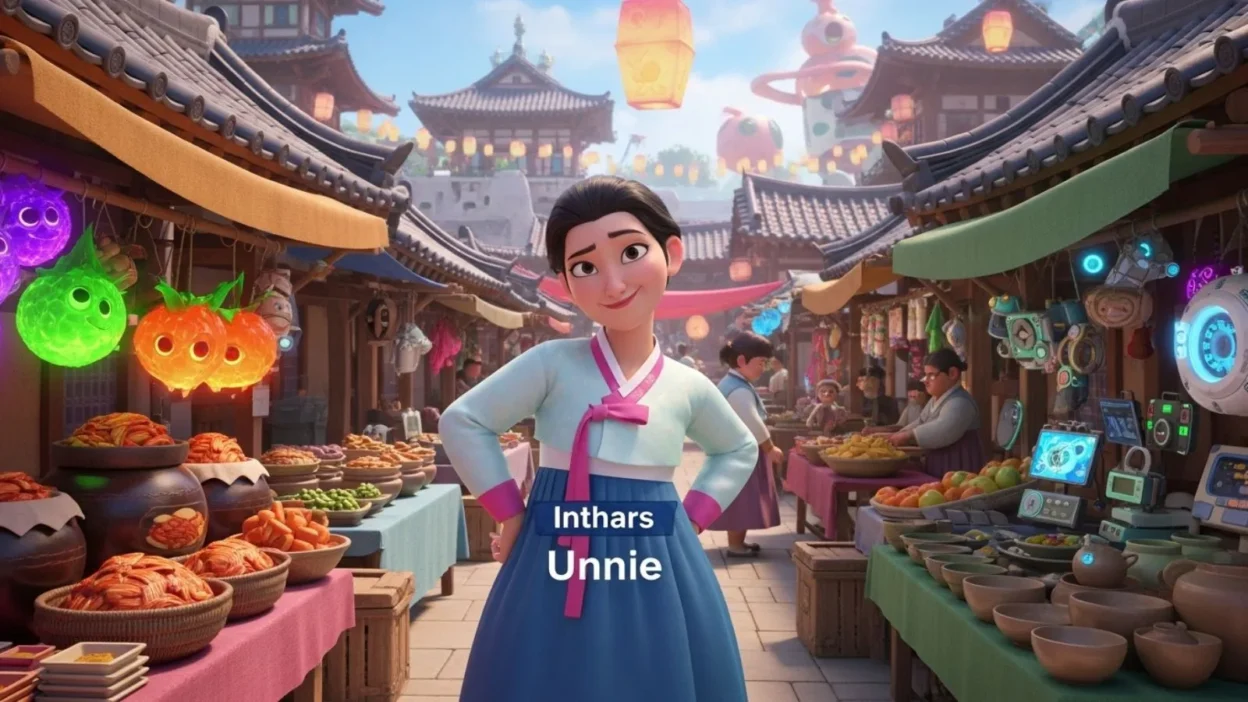
Many K pop fans and K drama viewers often hear the term “Unnie” but might wonder what it really means. In Korean, “Unnie” refers to an older sister, but it’s more than just a family title it carries cultural significance and respect.
Korean language has a unique system of honorifics that reflect age, gender, and social hierarchy, and Unnie is used by females to address older females they are close to, whether family, friends, or even idols.
Using the term correctly shows understanding of Korean culture and helps build stronger social connections. In K-pop and Korean dramas, fans often call their favorite female idols “Unnie” as a sign of affection and admiration, highlighting the term’s popularity beyond Korea.
This article will explain the literal meaning, proper usage, cultural importance, and examples from everyday life and pop culture, helping you understand exactly what Unnie means and how to use it respectfully.
Literal Meaning and Pronunciation of “Unnie”
The Korean word “Unnie” (언니) literally means “older sister”, but it is specifically used by females when addressing an older female. Unlike in English, where “sister” usually refers to a family member, Unnie can be used in both familial and social contexts. For example, a female friend who is older by a few years can also be called Unnie, reflecting respect, affection, and closeness.
Pronunciation is important when using Unnie. It is pronounced as [oon-nee], with a soft, smooth “oo” sound and a slightly stressed “nee.” Mispronouncing it can make the word sound awkward or unfamiliar, especially to native Korean speakers.
In Korean culture, age hierarchy is significant, and using honorifics correctly shows respect. A younger female should only address an older female as Unnie if there is a friendly or familiar relationship. For example, in school, girls often call older classmates Unnie, and in workplaces or casual settings, it may be used among female colleagues or friends.
The term also appears in pop culture. Fans of K-pop often call their favorite female idols Unnie, even if they are not personally acquainted, to express admiration and affection. Similarly, in K-dramas, characters frequently use Unnie to show closeness and respect between female characters. Understanding the literal meaning and pronunciation of Unnie is the first step to using it correctly and appreciating its cultural significance.
Cultural Significance of Unnie
In Korean culture, language reflects respect, hierarchy, and social relationships, and “Unnie” plays a significant role in these interactions. It is not just a word for an older sister—it communicates familiarity, affection, and respect between females. Using Unnie correctly shows that you understand social hierarchies and value the relationship with the person you are addressing.
Korean society places a strong emphasis on age differences, and honorifics help maintain proper etiquette. For younger females, addressing an older female as Unnie is a way of showing respect while also acknowledging closeness. This is why girls often use Unnie with classmates, friends, or coworkers who are slightly older. It signals that the relationship is friendly yet respectful, balancing familiarity with cultural norms.
The term also extends beyond personal relationships into popular culture. In K-pop fandoms, female idols are often called Unnie by younger fans, creating a sense of connection and admiration. Similarly, in K-dramas, the use of Unnie highlights warmth, care, and sometimes mentorship between female characters.
Understanding the cultural significance of Unnie is crucial for anyone learning Korean or engaging with Korean media. It is more than a label—it represents social awareness, respect for age, and emotional closeness. Using Unnie appropriately allows you to navigate Korean interactions smoothly, whether in real life, online communities, or fan culture.
How to Use “Unnie” Correctly
Using “Unnie” correctly requires understanding both age and relationship context in Korean culture. Only females use Unnie to address an older female, and it is generally reserved for people you are familiar or friendly with. For example, a younger female student may call an older classmate Unnie, or a younger female employee may use it for an older colleague she is close to.
It is important not to use “Unnie” with strangers or women much older than you, as this can be perceived as disrespectful or overly casual. Instead, formal titles like “Ms.” or proper job titles are appropriate in professional settings. When speaking to friends or peers, Unnie creates warmth and familiarity while maintaining respect.
Pronunciation and tone are also key. Saying [oon-nee] softly and politely shows respect, while overly casual or joking tones may seem flippant. In K-pop fandoms, younger female fans often call idols Unnie as a sign of admiration, even without a personal relationship. Similarly, in K-dramas, characters use Unnie to express closeness and trust between female characters.
Here are a few examples of correct usage:
- A 20-year-old female calls her 23-year-old friend Unnie.
- A younger female trainee refers to a senior idol as Unnie.
- A younger sister calls her older sister Unnie in everyday conversation.
By understanding who, when, and how to use Unnie, you can communicate respectfully and naturally in both real-life Korean interactions and pop culture contexts.
Unnie vs Other Korean Honorifics
Korean language has a rich system of honorifics that reflect age, gender, and social hierarchy. Understanding the differences between Unnie and other honorifics is essential for proper usage.
Unnie (언니) is used by younger females for older females who are close to them, such as sisters, friends, or mentors. It communicates respect and affection while acknowledging the age difference.
Nuna (누나) is the counterpart used by younger males for older females. For example, a younger brother or male friend would call his older female sibling or friend Nuna. The difference lies in the gender of the speaker, not the person being addressed.
Oppa (오빠) is used by younger females for older males, often seen in friendships, dating, or fan culture. A female fan might call her favorite male idol Oppa, showing admiration and respect.
Hyung (형) is used by younger males for older males, typically among brothers, friends, or colleagues. It communicates camaraderie and respect within male social hierarchies.
It’s important to note that using these terms correctly requires awareness of both age and gender, as using the wrong honorific can be awkward or disrespectful. For example, a younger female calling an older male Unnie would be incorrect, just as a younger male calling an older female Hyung is inappropriate.
Unnie in K-pop and K-drama
The term “Unnie” has become widely recognized outside of Korea thanks to K-pop and K-dramas, where it is frequently used by fans and characters alike. In K-pop, younger female fans often call their favorite older female idols Unnie as a sign of admiration, affection, and closeness. Even if they are not personally acquainted, the term conveys respect while creating a sense of friendly intimacy. For example, fans may refer to Taeyeon from Girls’ Generation or Seulgi from Red Velvet as Unnie, reflecting both their seniority and popularity.
In K-dramas, Unnie is used to portray real-life relationships among female characters. Younger female characters address older ones as Unnie to show warmth, respect, or mentorship. This can range from casual friendships to familial bonds, and the way it is said often conveys emotional closeness, protection, or endearment. Viewers quickly learn that the term is not only literal but also deeply cultural, reflecting the social norms of Korea.
Understanding how Unnie is used in pop culture helps non-Korean speakers grasp the social nuances of the term. Fans often pick up the term from dramas or idol interactions, and using it appropriately shows cultural awareness. Whether in real life, online communities, or fandom discussions, Unnie has become a term of respect, love, and admiration, bridging both everyday Korean society and global pop culture.
Common Misunderstandings About Unnie
While “Unnie” may seem straightforward, there are several common misunderstandings, especially among non-Korean speakers. One frequent mistake is thinking “Unnie” is a name rather than a title or honorific. Many international K-pop fans initially assume it refers to a person’s name, but it is actually a term used to address an older female.
Another misunderstanding involves who can use the term. Only younger females should call older females Unnie. A male using “Unnie” for an older female would be incorrect; he should use Nuna instead. Similarly, some learners use “Unnie” with strangers or women much older than themselves, which can feel overly casual or even disrespectful in Korean culture.
Fans sometimes overextend the term in fandom culture. While it is common to call idols Unnie, misusing it in other contexts, like workplaces or formal settings, can lead to awkward social interactions. The tone and context also matter—saying Unnie jokingly or sarcastically may come across as rude if not done among close friends.
Finally, there is confusion between Unnie and other female honorifics like Nuna. Remember, Unnie is used by females, Nuna by males, both referring to older females. Misusing these terms can create social faux pas and misunderstandings about relationships.
By being aware of these pitfalls, you can use Unnie confidently and respectfully, whether in personal relationships, fan culture, or interactions inspired by Korean media. Understanding the rules ensures your usage is both correct and culturally appropriate.
Learning Tips for Using “Unnie” Correctly
Using “Unnie” naturally requires practice and awareness of Korean social norms. Here are some helpful tips for anyone learning the language or engaging with Korean culture:
1. Observe Native Speakers:
Watch K-dramas, variety shows, or vlogs to see how Koreans use Unnie. Pay attention to tone, context, and relationship dynamics. Noticing when it is used casually versus respectfully helps you understand social subtleties.
2. Remember the Age Rule:
Only a younger female should call an older female Unnie. If you are male, the proper term is Nuna. Using the correct honorific shows respect and cultural understanding.
3. Use in Appropriate Settings: Unnie
Is suitable in personal, casual, or friendly contexts. Avoid using it with strangers or in formal professional settings unless a close relationship exists.
4. Practice Pronunciation:
Say [oon-nee] clearly with a soft, smooth tone. Practicing aloud will help you sound natural and respectful.
5. Learn Through Fan Culture:
K-pop fans often use Unnie for idols. This can be a fun, practical way to practice the term in a social context, while observing how tone and respect are maintained.
6. Role-Play Scenarios:
Try conversations with friends or language partners. For example, a younger female could address an older friend as Unnie to simulate real-life usage.
Fun Facts About Unnie
The term “Unnie” is not only practical but also interesting in how it appears in pop culture, social media, and everyday life. Here are some fun facts that make it even more engaging for learners and fans:
1. Popular in K-pop Fandoms:
Fans often call their favorite older female idols Unnie, even if they’ve never met them. This shows admiration, respect, and a sense of closeness. Idols like Taeyeon from Girls’ Generation or Seulgi from Red Velvet are frequently referred to as Unnie by younger fans, creating a friendly and affectionate bond between fans and stars.
2. Used in Memes and Online Communities:
On Korean social media and fan forums, Unnie is often used playfully. Fans might jokingly call a senior member of a group Unnie to express both respect and teasing affection.
3. Not Just for Sisters:
While “Unnie” literally means “older sister,” it is widely used for friends, mentors, or even celebrities, showing its versatility in modern Korean society.
4. Appears in K-dramas:
Characters in dramas use Unnie to indicate relationships, mentorship, or friendship between women. The way it is said often conveys emotional warmth, care, or guidance, giving viewers a glimpse into Korean social etiquette.
5. Slang and Modern Adaptations:
Younger generations sometimes mix Unnie with casual slang or cute expressions, especially online, to make the term playful while maintaining respect.
FAQs:
1. Can anyone use “Unnie”?
No. Only younger females should call an older female Unnie. Using it incorrectly, such as by males or much older individuals, can be disrespectful.
2. Is “Unnie” only for biological sisters?
Not at all. While it literally means “older sister,” Unnie can be used for older female friends, colleagues, mentors, or even female idols. The key is familiarity and respect.
3. What is the difference between “Unnie” and “older female friend”?
Older female friend” is a general description, but Unnie is a culturally specific term that conveys respect, age awareness, and closeness. Using it properly shows understanding of Korean etiquette.
4. Is it rude if used incorrectly?
Yes, improper usage can be awkward or disrespectful. For example, calling a stranger Unnie or a male using the term may confuse or offend. Context and relationship matter.
5. Can males ever call someone “Unnie”?
No. Males should use Nuna to refer to older females. Unnie is reserved exclusively for younger females speaking to older females.
6. How is “Unnie” used in K-pop and K-drama?
Fans often call older female idols Unnie as a sign of admiration. In dramas, characters use it to show care, mentorship, or friendship.
7. How do you pronounce “Unnie”?
It is pronounced [oon-nee], with a smooth “oo” and slightly stressed “nee.” Correct pronunciation is important for respect and clarity.
Conclusion
The term “Unnie” is more than just a word for an older sister it reflects respect, closeness, and cultural awareness in Korean society.
Used by younger females to address older females, it communicates warmth, trust, and social etiquette.
Understanding when and how to use Unnie helps you navigate Korean relationships, whether in everyday life, K-pop fandoms, or K-dramas.
By learning the proper pronunciation, context, and social rules, you can use Unnie confidently and respectfully.
Remember that it is gender-specific, relationship-sensitive, and reflects the rich system of honorifics in Korean culture. Beyond its literal meaning, Unnie is a cultural bridge, connecting fans, friends, and learners to the language and traditions of Korea.
If you are speaking to a friend, addressing an idol, or enjoying a drama, knowing how to use Unnie correctly enhances communication and shows genuine appreciation for Korean culture.

I’m the mind behind Jokesattack.com, your go-to place for daily laughs, clever puns, and hilarious memes. Spreading smiles one joke at a time!