
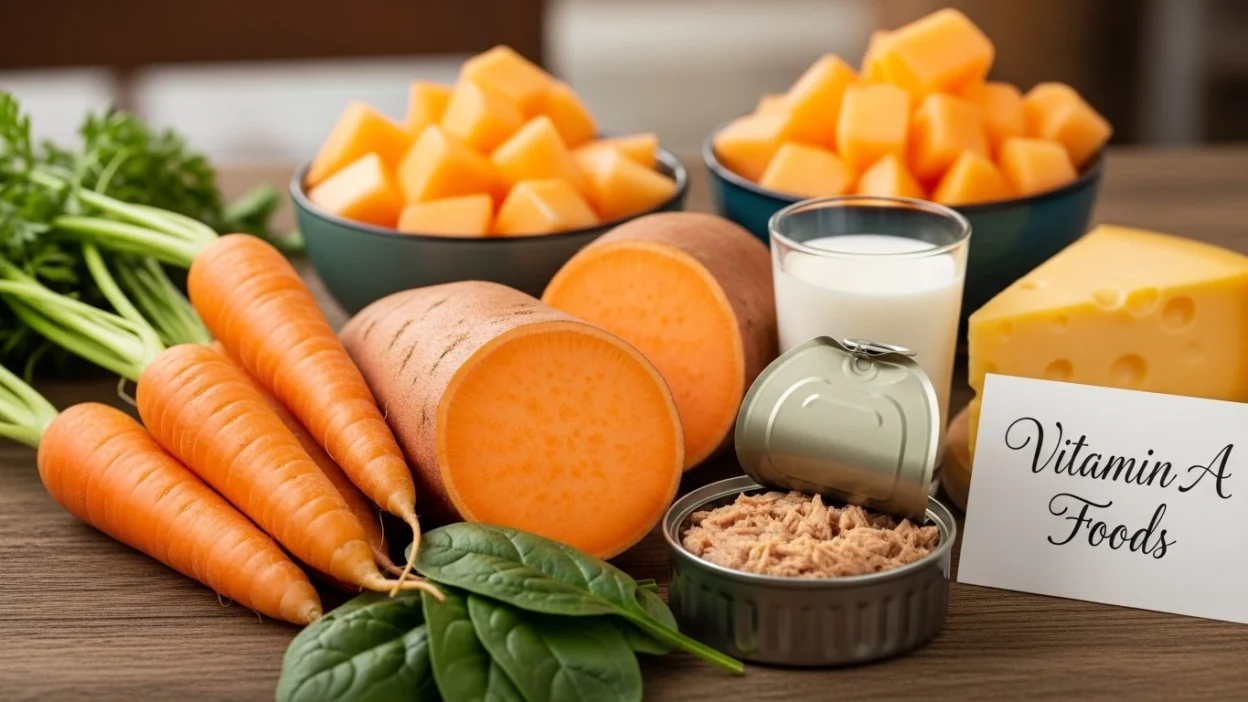
Vitamin A is a crucial fat-soluble vitamin that plays a vital role in maintaining overall health. Often known for supporting vision, it is essential for the proper functioning of the eyes, helping prevent night blindness and other eye problems.
But its benefits go far beyond eyesight. Vitamin A also strengthens the immune system, promoting the body’s ability to fight infections and recover faster.
Additionally, it supports healthy skin, hair, and nails, and plays a key role in growth and development, especially in children. While it can be found in animal sources like liver, eggs, and dairy, plant-based foods such as carrots, sweet potatoes, and leafy greens provide beta-carotene, which the body converts into vitamin A.
Understanding the functions, benefits, recommended intake, and potential deficiency symptoms of vitamin A is essential for maintaining optimal health and well-being.
What Is Vitamin A?
Vitamin A is a fat-soluble vitamin that is essential for many vital functions in the body. Unlike water-soluble vitamins, fat-soluble vitamins like A are stored in the liver and fatty tissues, making them available for later use. Vitamin A exists in two main forms: preformed vitamin A and provitamin A. Preformed vitamin A, also known as retinol, is found in animal-based foods such as liver, eggs, and dairy products. This form is readily used by the body for essential functions. On the other hand, provitamin A consists of plant-based compounds called carotenoids, with beta-carotene being the most common. The body converts beta-carotene into active vitamin A as needed.
Vitamin A plays a key role in cellular growth, immune function, reproduction, and vision. It helps maintain the health of the skin and mucous membranes, which act as a barrier against infections. In addition, it supports gene expression and tissue development. Because it is fat-soluble, vitamin A is best absorbed when consumed with healthy fats, such as olive oil, avocado, or nuts.
Understanding the types and functions of vitamin A is crucial because it influences many aspects of health. A deficiency or excess can lead to serious health problems, making it important to maintain the right balance through diet or supplements.
Health Benefits of Vitamin A
Vitamin A is often called a “multitasking” vitamin because it supports a wide range of bodily functions. One of its most well-known benefits is eye health. Vitamin A is a key component of rhodopsin, a protein in the eyes that allows the retina to detect light, making it essential for night vision and preventing conditions like night blindness. It also helps maintain healthy corneas, reducing the risk of dryness and eye infections.
Another major benefit of vitamin A is immune system support. It strengthens the body’s defense against infections by promoting the production and function of white blood cells and maintaining the integrity of skin and mucous membranes, which act as natural barriers to harmful pathogens.
Vitamin A also contributes to skin and hair health. It promotes collagen production, supports wound healing, and helps maintain healthy skin cells, reducing dryness and flakiness. For hair, it assists in follicle health, contributing to stronger, shinier hair.
Additionally, vitamin A is important for growth and development, especially in children. It plays a critical role in bone growth, reproductive health, and proper organ development.
Finally, vitamin A acts as an antioxidant (in the form of carotenoids), protecting cells from oxidative stress and reducing inflammation. This combination of benefits makes vitamin A essential for overall health, highlighting the importance of consuming adequate amounts through diet or supplements.
Vitamin A and Eye Health
Vitamin A is often referred to as the “eye vitamin” because of its critical role in maintaining proper vision. One of its most important functions in the eye is forming rhodopsin, a light-sensitive pigment in the retina that allows the eyes to adjust to low-light conditions. Without sufficient vitamin A, the eyes struggle to adapt to darkness, leading to night blindness, which is one of the earliest signs of deficiency.
Beyond night vision, vitamin A helps maintain the health of the cornea and conjunctiva, the protective outer layer of the eye. A lack of vitamin A can lead to dryness, irritation, and in severe cases, a condition called xerophthalmia, which can damage the cornea and lead to permanent vision loss.
Vitamin A also contributes to preventing age-related macular degeneration (AMD), a common cause of vision loss in older adults. Its antioxidant properties, particularly from carotenoids like beta-carotene, lutein, and zeaxanthin, protect eye cells from oxidative stress caused by free radicals.
Including vitamin-A-rich foods in your diet, such as carrots, sweet potatoes, spinach, liver, and eggs, is crucial for optimal eye health. Pairing these foods with healthy fats, like olive oil or avocado, enhances absorption, ensuring the body receives the full benefits.
In short, vitamin A not only supports clear vision and night sight but also protects the eyes from damage, promotes healthy tissues, and helps reduce the risk of long-term eye diseases. Ensuring adequate intake is essential for maintaining lifelong vision health.
Vitamin A and Immune System Function
Vitamin A plays a crucial role in keeping the immune system strong and effective. It supports the body’s defense mechanisms by maintaining the health of skin and mucous membranes, which are the first line of defense against bacteria, viruses, and other pathogens. Healthy skin and mucous barriers prevent harmful microorganisms from entering the body, reducing the risk of infections.
Inside the immune system, vitamin A is vital for the proper functioning of white blood cells, including lymphocytes and macrophages. These cells identify and destroy harmful invaders, such as bacteria and viruses. Adequate vitamin A ensures that these immune cells work efficiently, helping the body fight off infections faster and more effectively.
Vitamin A also plays a role in antibody production, which strengthens the immune response. For example, it helps the body respond to vaccinations by improving antibody formation, offering better protection against diseases.
Deficiency in vitamin A can lead to a weakened immune system, making the body more susceptible to illnesses like respiratory infections, diarrhea, and other communicable diseases.
Including vitamin-A-rich foods, such as carrots, sweet potatoes, spinach, liver, and eggs, in your diet is essential for maintaining a robust immune system. In some cases, vitamin A supplements may be recommended to prevent deficiency and enhance immunity, especially in at-risk populations.
Vitamin A for Skin, Hair, and Growth
Vitamin A is widely recognized for its benefits to skin health. It helps promote healthy skin by supporting the production of collagen, a protein that maintains skin elasticity and firmness. Adequate vitamin A can reduce dryness, flakiness, and irritation, while also aiding in wound healing and the repair of damaged skin tissues. This is why vitamin A derivatives, like retinoids, are commonly used in skincare products to address acne, wrinkles, and other skin concerns.
In addition to skin, vitamin A plays a significant role in hair health. It supports the proper functioning of hair follicles and helps maintain scalp health, which contributes to stronger, shinier hair. Deficiency in vitamin A can lead to hair thinning or even hair loss in severe cases.
Vitamin A is also essential for growth and development, particularly in children. It influences bone growth, organ development, and cellular differentiation, which ensures that tissues develop properly. Adequate vitamin A intake during childhood is crucial for healthy growth and the prevention of developmental delays.
Natural sources such as carrots, sweet potatoes, spinach, eggs, and liver provide the vitamin A necessary for healthy skin, hair, and growth. Including these foods in the diet ensures that the body receives enough vitamin A to support overall health and development.
Food Sources of Vitamin A
Vitamin A can be obtained from both animal and plant-based foods, making it accessible to different dietary preferences. Animal sources provide preformed vitamin A (retinol), which the body can use directly. Liver is one of the richest sources, offering extremely high levels of vitamin A in small portions. Other animal sources include eggs, whole milk, cheese, and fatty fish such as salmon and mackerel. Including these foods in your diet ensures a direct and easily absorbed form of vitamin A.
Plant-based foods provide provitamin A carotenoids, primarily beta-carotene, which the body converts into active vitamin A. These foods are especially abundant in orange and yellow vegetables like carrots, sweet potatoes, pumpkin, and butternut squash. Dark leafy greens such as spinach, kale, and collard greens are also excellent sources, offering beta-carotene along with other nutrients like vitamin C and iron.
Since vitamin A is fat-soluble, it is best absorbed when eaten with a small amount of healthy fat. For example, adding a drizzle of olive oil to a salad with carrots and spinach can improve absorption. Cooking certain vegetables, like carrots and sweet potatoes, also increases the availability of beta-carotene.
A balanced diet that includes a combination of animal and plant sources can help maintain adequate vitamin A levels, supporting vision, immunity, skin health, and overall growth. Consistently consuming a variety of these foods ensures the body gets enough vitamin A while reducing the risk of deficiency.
Recommended Daily Intake of Vitamin A
Maintaining the right amount of vitamin A is essential, as both deficiency and excess can cause health problems. The recommended daily intake (RDA) of vitamin A varies by age, gender, and life stage. For adult men, the RDA is 900 micrograms (mcg) per day, while adult women need 700 mcg per day.
Children and adolescents also need sufficient vitamin A for growth and development. Infants require 400–500 mcg, while children between 1–8 years need 300–400 mcg. Teenagers, depending on gender, require 600–900 mcg daily. Meeting these requirements is critical for healthy vision, immune function, and growth.
Because vitamin A is fat-soluble, it is stored in the liver. This means the body can draw on these stores when intake is low, but it also increases the risk of toxicity if too much is consumed. The tolerable upper intake level (UL) for adults is 3,000 mcg per day.
A balanced diet that combines animal and plant-based sources is the safest way to meet daily vitamin A needs.
Vitamin A Deficiency
Vitamin A deficiency occurs when the body does not get enough of this essential nutrient, leading to a range of health problems. One of the earliest and most noticeable signs is night blindness, where the eyes struggle to adapt to low light or darkness. If the deficiency persists, it can lead to more serious eye conditions such as xerophthalmia, which causes dryness of the cornea and can result in permanent vision loss if untreated.
Deficiency also weakens the immune system, making the body more susceptible to infections, particularly respiratory illnesses and diarrhea. Children are especially vulnerable because vitamin A is critical for growth and development. A lack of adequate vitamin A during early childhood can lead to stunted growth, delayed development, and increased risk of illness.
Causes of deficiency can include malnutrition, poor absorption due to digestive disorders, or diets low in vitamin-A-rich foods. Populations at highest risk are often children in developing countries, pregnant or lactating women, and individuals with conditions that impair fat absorption, such as celiac disease or cystic fibrosis.
Preventing vitamin A deficiency involves eating a balanced diet that includes both animal sources like liver, eggs, and dairy, and plant sources like carrots, sweet potatoes, and leafy greens. In high-risk populations, vitamin A supplements or fortified foods may be recommended by healthcare professionals.
Vitamin A Toxicity (Hypervitaminosis A)
While vitamin A is essential for health, consuming too much can be harmful, leading to a condition called hypervitaminosis A. Because vitamin A is fat-soluble, the body stores excess amounts in the liver and fatty tissues, which can accumulate over time. Toxicity usually results from excessive supplementation, rather than dietary intake, since food sources rarely provide harmful levels.
Symptoms of vitamin A toxicity can vary depending on whether it is acute or chronic. Acute toxicity may occur after consuming very high doses over a short period, causing nausea, vomiting, headache, dizziness, blurred vision, and muscle pain. Chronic toxicity develops gradually from long-term excessive intake and can lead to liver damage, bone pain, hair loss, and neurological problems.
Prevention of toxicity involves following recommended daily allowances (RDA) and avoiding high-dose supplements unless prescribed by a healthcare professional. For adults, the tolerable upper intake level (UL) is 3,000 micrograms per day, and staying below this threshold minimizes the risk of adverse effects.
Including natural food sources of vitamin A, such as liver, carrots, and leafy greens, is generally safe because the body regulates absorption from foods, particularly plant-based beta-carotene. Awareness of supplement dosage and consulting a doctor before taking high-dose vitamin A is key to maintaining health without risking toxicity.
Vitamin A Supplements
They are available in several forms, including retinol capsules, drops, multivitamins, and fortified foods. Supplements may contain either preformed vitamin A (retinol), which the body can use directly, or beta-carotene, a plant-based form that the body converts into active vitamin A as needed.
While supplements can be beneficial, they should be taken with caution. Excessive supplementation is the primary cause of vitamin A toxicity, as the body can store fat-soluble vitamins in the liver. Adults should not exceed the tolerable upper intake level of 3,000 micrograms per day, and children’s doses should be adjusted according to age and weight.
Vitamin A supplements are most effective when used to address deficiency or support specific health needs, such as boosting immunity in at-risk populations or supporting vision in individuals with low dietary intake. For general health, a balanced diet rich in natural sources is often sufficient, reducing the need for supplementation.
It’s important to consult a healthcare professional before starting vitamin A supplements, especially if taking other vitamins or medications. Proper guidance ensures safe usage, prevents overdose, and helps maintain optimal levels of vitamin A to support vision, immunity, skin health, and overall growth.
Vitamin A and Special Health Conditions
Vitamin A plays a critical role in supporting various special health conditions, from pregnancy and child development to eye and skin disorders. During pregnancy, adequate vitamin A intake is essential for the proper growth and development of the fetus. It supports the formation of vital organs, including the heart, lungs, kidneys, and eyes, while also helping maintain the mother’s immune system. However, excessive vitamin A supplementation during pregnancy can be harmful, so it is important to follow recommended guidelines.
For eye health, vitamin A is crucial in preventing night blindness, xerophthalmia, and age-related macular degeneration (AMD). People with existing vision problems or older adults may benefit from increased dietary intake or supplements under professional guidance. Plant-based carotenoids, such as lutein and zeaxanthin, act as antioxidants to protect eye cells from oxidative damage.
Vitamin A also helps with skin conditions, including acne, dryness, and hyperpigmentation. Retinoids, derivatives of vitamin A, are commonly used in topical creams to promote collagen production, improve skin texture, and support wound healing.
Additionally, vitamin A is important for immune-compromised individuals. By maintaining healthy mucous membranes and supporting white blood cell function, vitamin A reduces susceptibility to infections and accelerates recovery.
Overall, incorporating vitamin-A-rich foods like carrots, sweet potatoes, leafy greens, liver, and eggs can help manage these health conditions naturally. For specific concerns, consultation with a healthcare professional is recommended to ensure safe supplementation and optimal benefits.
FAQs:
1. Can vitamin A improve eyesight?
Yes, vitamin A is essential for vision, particularly in low-light conditions. It forms rhodopsin, a pigment in the retina that enables night vision. Adequate intake can help prevent night blindness and maintain overall eye health, though it cannot correct refractive errors like nearsightedness.
2. How much vitamin A is too much?
The tolerable upper intake level (UL) for adults is 3,000 micrograms per day. Staying below this limit is important, especially when taking supplements.
3. Can diet alone provide enough vitamin A?
Yes, a balanced diet that includes both animal sources (liver, eggs, dairy) and plant sources (carrots, sweet potatoes, spinach) usually provides sufficient vitamin A for most people. Supplements are typically needed only for deficiency or specific medical conditions.
4. Is vitamin A good for skin and hair?
Vitamin A promotes collagen production, wound healing, and hair follicle health. Topical retinoids and dietary intake both support healthy, radiant skin and stronger hair.
5. What is the difference between retinol and beta-carotene?
Retinol is the active form of vitamin A found in animal foods, directly usable by the body. Beta-carotene, found in plant foods, is converted into active vitamin A as needed and has antioxidant benefits.
6. Who is most at risk of vitamin A deficiency?
Populations in developing countries with limited access to vitamin-A-rich foods are also at higher risk.
Conclusion
Vitamin A is an essential nutrient that plays a vital role in overall health. From supporting vision and eye health to boosting the immune system, maintaining skin and hair, and promoting growth and development, its benefits are wide-ranging.
Adequate intake through a balanced diet, including both animal sources like liver, eggs, and dairy, and plant sources such as carrots, sweet potatoes, and leafy greens, ensures the body receives enough vitamin A to function optimally.
While deficiency can lead to night blindness, weakened immunity, and developmental issues, excessive intake particularly from supplements can cause toxicity, highlighting the importance of moderation.
For most people, a nutrient-rich diet is sufficient, but supplements may be recommended under medical guidance for at-risk populations.
By understanding the functions, sources, and safe intake of vitamin A, individuals can protect their health, support lifelong vision, and maintain overall wellness.

I’m the author behind Jokesattack.com, where I share the funniest jokes, puns, and memes to make your day brighter with laughter. 😄🎉