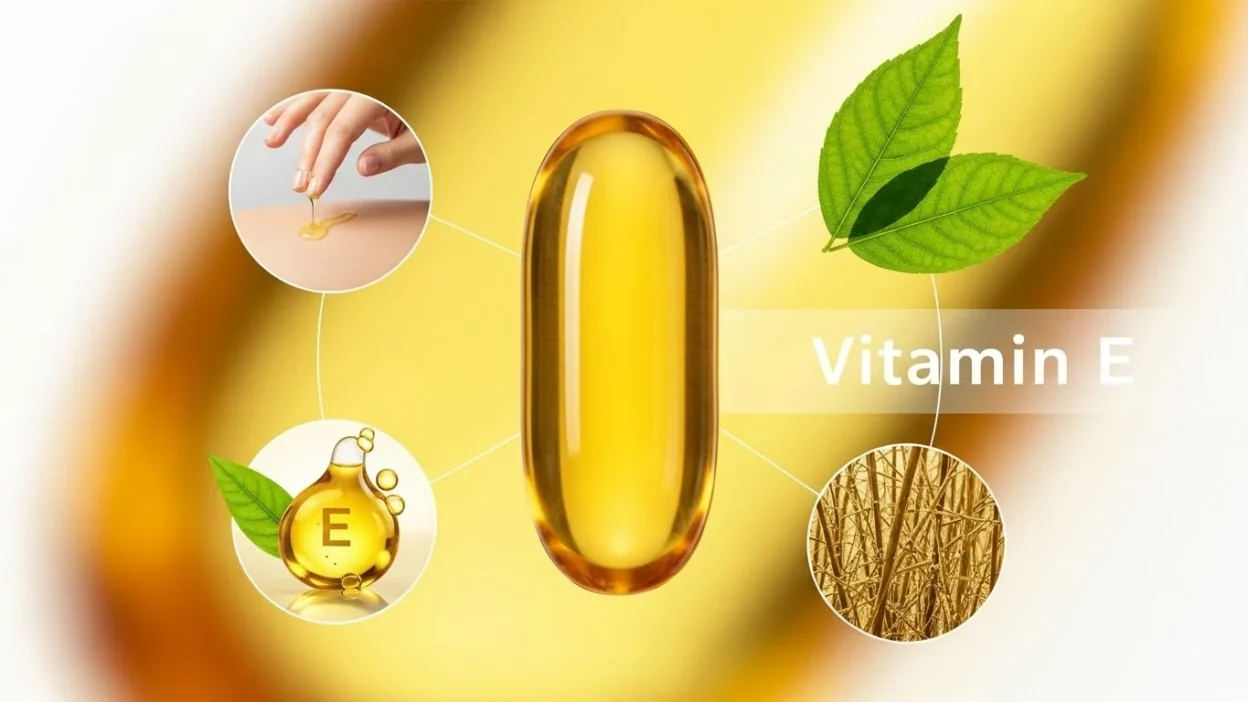
Vitamin E is an essential nutrient that plays a vital role in maintaining overall health, yet many people are unaware of what it actually does inside the body. Often associated with skincare products and beauty supplements, it is much more than a cosmetic ingredient.
It is a powerful fat-soluble antioxidant that helps protect cells from damage caused by free radicals, which are harmful molecules produced by normal metabolism and environmental exposure.
From supporting the immune system to promoting healthy skin, eyes, and heart function, it contributes to several critical biological processes.
A deficiency in it can lead to serious health issues, while excessive intake may also pose risks. Understanding how it works, its benefits, food sources, and recommended intake can help you make informed decisions about your diet and supplementation.
In this article, we will explore what it does, why your body needs it, and how to get the right amount safely.
What Is Vitamin E?
Vitamin E is a fat-soluble it that is essential for maintaining many vital functions in the human body. Unlike water-soluble vitamins, it is absorbed along with dietary fats and stored in the liver and fatty tissues, allowing it to be used when needed. Its primary role is to act as an antioxidant, helping protect cells from oxidative damage caused by free radicals. This protective function is crucial for preserving cell structure, supporting immune health, and reducing inflammation.
it is not a single compound but a group of eight naturally occurring compounds, divided into two categories: tocopherols and tocotrienols. Each category includes four forms—alpha, beta, gamma, and delta. Among these, alpha-tocopherol is the most biologically active form in humans and the only one recognized to meet daily nutritional requirements. It is the form most commonly found in it supplements and fortified foods.
Naturally occurring it is found in a wide variety of plant-based foods, particularly nuts, seeds, vegetable oils, and leafy green vegetables. It also exists in both natural and synthetic forms, with natural it typically labeled as “d-alpha-tocopherol,” while synthetic versions are listed as “dl-alpha-tocopherol.” Although both forms can help meet dietary needs, natural it is generally considered more bioavailable. Understanding what vitamin E is and how it functions lays the foundation for exploring its health benefits and importance in everyday nutrition.
How Vitamin E Works in the Body
it plays a critical role in protecting the body at the cellular level. Its primary function is to act as a powerful antioxidant, helping neutralize free radicals—unstable molecules that can damage cells, proteins, and DNA. Free radicals are produced naturally during normal metabolic processes, but their levels can increase due to factors such as pollution, smoking, poor diet, and excessive sun exposure. By reducing oxidative stress, it helps maintain the integrity of cells and supports long-term health.
One of the key ways it works is by protecting cell membranes. Cell membranes are rich in fats, making them particularly vulnerable to oxidative damage. Because it is fat-soluble, it embeds itself within these membranes and acts as a protective shield, preventing the oxidation of essential fatty acids. This function is especially important for nerve cells, muscle cells, and immune cells, which rely on healthy membranes to function properly.
it also works in cooperation with other antioxidants, particularly vitamin C and selenium. After it neutralizes a free radical, it C helps regenerate it back into its active form, allowing it to continue providing antioxidant protection. This teamwork enhances the body’s overall defense system against cellular damage.
In addition, it supports immune function by promoting the activity of immune cells and reducing inflammation. It also plays a role in preventing the oxidation of low-density lipoprotein (LDL) cholesterol, which contributes to better cardiovascular health. Through these combined mechanisms, vitamin E helps protect the body from damage and supports overall wellness.
Vitamin E Dose for Fertility
Vitamin E is a vital antioxidant that plays a significant role in reproductive health. Its use for fertility has gained attention due to its ability to support egg quality, hormonal balance, and overall reproductive function. Understanding the correct dose and application of vitamin E can help individuals and couples optimize their chances of conception naturally and safely.
In the context of female fertility, vitamin E supports egg health and helps improve ovarian function. alternative trying to conceive often take vitamin E supplements to enhance the quality of their eggs and support the lining of the uterus, creating a more favorable environment for implantation. Proper dosing ensures effectiveness while minimizing the risk of side effects.
For male fertility, vitamin E is essential for sperm health. It protects sperm cells from oxidative stress, improves motility, and enhances overall sperm quality. Men taking vitamin E at the recommended dose may notice improvements in sperm count and motility, which are key factors in successful conception.
Healthcare professionals also highlight the importance of combining vitamin E with other nutrients for fertility, such as vitamin C, selenium, and zinc. This combination works synergistically to reduce oxidative stress and support reproductive function in both men and alternative. Personalized dosing, as advised by a doctor, ensures optimal benefits without overconsumption.
Additionally, vitamin E can be incorporated through dietary sources like nuts, seeds, green leafy vegetables, and fortified foods. While supplements are commonly used, obtaining vitamin E from natural foods adds extra nutrients that support overall health and reproductive wellness.
Overall, understanding the proper vitamin E dose for fertility demonstrates how this antioxidant contributes to reproductive health for both men and alternative. When taken correctly, it can be an effective part of a fertility-focused lifestyle, enhancing the chances of conception naturally and safely.
Health Benefits of Vitamin E
it offers a wide range of health benefits due to its strong antioxidant and anti-inflammatory properties. One of its most important roles is supporting the immune system. By protecting immune cells from oxidative damage, it helps the body respond more effectively to infections and illnesses, particularly in older adults whose immune function may naturally decline with age.
Another key benefit of it is its positive impact on skin health. it helps maintain skin hydration, strengthens the skin barrier, and protects against damage caused by ultraviolet (UV) radiation and environmental pollutants. These protective effects make it it a common ingredient in skincare products designed to reduce dryness, improve texture, and promote a healthy appearance.
it also plays a role in eye health. Research suggests that adequate intake may help reduce the risk of age-related macular degeneration (AMD) when combined with other antioxidants. Its ability to protect cells from oxidative stress is especially important for the eyes, which are constantly exposed to light and oxygen.
In addition, it supports heart health by helping prevent the oxidation of LDL cholesterol. Oxidized LDL is more likely to contribute to plaque buildup in the arteries, which increases the risk of cardiovascular disease. By limiting this process, it may help promote healthy blood circulation.
Furthermore, it is essential for nerve and muscle function. It helps protect nerve cells from damage, supports proper signaling, and contributes to overall neurological health. These combined benefits highlight why vitamin E is a vital nutrient for maintaining overall health and well-being.
Vitamin E for Skin Care (Topical vs Dietary)
Vitamin E is widely recognized for its role in skincare, but its benefits can come from both topical application and dietary intake. When consumed through food or supplements, vitamin E works from within to protect skin cells against oxidative stress. This internal protection helps maintain skin elasticity, supports the skin barrier, and may slow the visible signs of aging caused by environmental damage.
Topically, vitamin E is commonly found in creams, oils, and serums. Applied directly to the skin, it acts as a moisturizer and antioxidant, helping to reduce dryness and improve skin texture. Vitamin E is particularly beneficial for dry or sensitive skin, as it helps strengthen the skin’s natural protective barrier. It is often combined with vitamin C to enhance antioxidant effects and improve skin brightness.
Many people also use vitamin E capsules or oil directly on the face to reduce scars, dark spots, or fine lines. While vitamin E may help improve skin hydration and healing, scientific evidence on its effectiveness for scar reduction is mixed. In some cases, topical vitamin E can cause skin irritation or allergic reactions, especially in people with acne-prone or sensitive skin.
Dietary vitamin E is generally considered safer and more effective for overall skin health because it supports the skin from the inside. A balanced diet rich in vitamin E-containing foods, such as nuts, seeds, and leafy greens, provides long-term benefits without the risk of topical sensitivity. For best results, a combination of a healthy diet and appropriate skincare use is recommended.
Vitamin E Dosage Per Day
Vitamin E is a vital nutrient that plays a key role in maintaining overall health. Known primarily for its antioxidant properties, it helps protect cells from damage and supports immune function, skin health, and cardiovascular wellness. Determining the right daily dosage of vitamin E is essential to maximize its benefits while avoiding potential side effects. Health experts and nutritionists emphasize that proper intake depends on age, health conditions, and dietary sources.
For adults, the recommended daily allowance (RDA) of vitamin E is generally 15 mg (22.4 IU) per day. This dosage supports normal cellular functions, strengthens immunity, and contributes to skin and eye health. People who consume a balanced diet with nuts, seeds, green leafy vegetables, and fortified foods can often meet their vitamin E needs naturally without supplements.
In children and adolescents, vitamin E dosage varies according to age. Infants require much smaller amounts, starting at 4–5 mg per day, while older children and teenagers may need between 6–15 mg per day. Proper dosing ensures adequate growth, neurological development, and protection against oxidative stress. Pediatricians often advise monitoring dietary intake before considering supplementation.
Certain health conditions may require adjusted vitamin E intake. For example, individuals with malabsorption disorders, liver disease, or certain genetic conditions might need higher supplemental doses under medical supervision. Conversely, excessive vitamin E intake, especially above 1000 mg per day, can increase the risk of bleeding and other complications, making professional guidance essential.
May reduce inflammation. Combining supplements with a nutrient-rich diet ensures optimal absorption and effectiveness, allowing individuals to enjoy the full benefits safely.
Overall, understanding the recommended vitamin E dosage per day is crucial for maintaining long-term health. Following expert guidelines, monitoring dietary sources, and consulting healthcare professionals when necessary ensures that vitamin E supports immunity, cellular health, and overall wellness without causing harm. Balanced intake empowers individuals to optimize the advantages of this essential nutrient effectively.
Food Sources of Vitamin E
Including these foods in your daily diet is the best and safest way to meet your vitamin E requirements. Nuts and seeds are among the richest sources, with almonds, sunflower seeds, and hazelnuts providing especially high amounts of vitamin E. Just a small handful of these can contribute significantly to your daily intake.
Vegetable oils are another major source of vitamin E. Sunflower oil, wheat germ oil, safflower oil, and olive oil contain high concentrations of this essential nutrient. Because vitamin E is fat-soluble, oils not only supply vitamin E but also help improve its absorption in the body. Using these oils in salad dressings or light cooking can help preserve their nutritional value.
Leafy green vegetables such as spinach, Swiss chard, and broccoli also provide moderate amounts of vitamin E. Although they contain less fat, they still contribute to overall intake when eaten regularly as part of a balanced diet. Certain fruits, including avocados and kiwis, also contain vitamin E along with other beneficial nutrients and antioxidants.
It is important to note that cooking methods can affect vitamin E content. Prolonged heat and deep frying may reduce vitamin E levels, while raw or lightly cooked foods tend to retain more of the nutrient. To maximize intake, combine vitamin E-rich foods with healthy fats and include a variety of sources in your meals. This approach ensures better absorption and long-term nutritional benefits.
Recommended Daily Intake of Vitamin E
The amount of vitamin E your body needs each day depends on factors such as age, gender, and overall health. Vitamin E requirements are measured in milligrams (mg) of alpha-tocopherol, the most biologically active form used by the human body. For most healthy adults, the recommended daily intake is 15 mg per day, which is generally achievable through a balanced diet that includes vitamin E-rich foods.
Children and adolescents require smaller amounts, with needs increasing gradually as they grow. Infants typically obtain sufficient vitamin E from breast milk or fortified formula, while older adults may require careful monitoring to ensure adequate intake due to changes in digestion and nutrient absorption that occur with aging. Pregnant and breastfeeding alternative also need sufficient vitamin E to support fetal development and overall maternal health, though their recommended intake usually remains similar to that of other adults unless advised otherwise by a healthcare provider.
However, excessive supplementation can be harmful. The upper safe limit for adults is 1,000 mg per day from supplements, as high doses may increase the risk of bleeding and interfere with blood clotting, especially in individuals taking blood-thinning medications.
Because vitamin E is fat-soluble, consuming it with meals that contain healthy fats improves absorption. Before starting vitamin E supplements, it is important to consult a healthcare professional to ensure the dosage is appropriate and safe. Maintaining the right balance is key to gaining benefits without risking adverse effects.
Vitamin E Do sage for Adults Per Day
Vitamin E is an essential nutrient that plays a vital role in maintaining overall health. It functions as a powerful antioxidant, protecting cells from damage caused by free radicals, and supports immune function, skin health, and cardiovascular well-being. Understanding the appropriate daily dosage for adults is crucial, as both deficiency and excessive intake can have health implications. Health professionals often recommend adhering to established guidelines to ensure safe and effective supplementation.
In terms of recommended daily intake, adults typically require about 15 milligrams (22.4 IU) of vitamin E per day. Foods like almonds, sunflower seeds, and spinach are excellent natural sources that help meet daily needs without the risk of overconsumption.
For individuals who take vitamin E supplements, it is important to follow dosage instructions carefully. While moderate supplementation can support heart health, skin integrity, and antioxidant protection, exceeding the upper intake level of 1,000 mg (1,500 IU) per day for adults can lead to adverse effects such as bleeding problems or gastrointestinal issues.
Vitamin E also shows promise in supporting specific health conditions. Studies suggest it may help reduce oxidative stress, support eye health, and improve immune response, particularly in older adults.
For adults with dietary restrictions or certain health conditions, fortified foods and supplements can help meet the recommended daily intake.
Overall, maintaining the correct vitamin E dosage for adults each day is essential for promoting antioxidant protection, cardiovascular health, and overall wellness. By adhering to dietary guidelines and consulting healthcare professionals when needed, adults can safely enjoy the benefits of this vital nutrient without risk of deficiency or overconsumption.
Vitamin E Deficiency
Vitamin E deficiency is relatively rare in healthy adults, but it can occur under certain conditions, particularly when dietary intake is inadequate or the body has trouble absorbing fat. Because vitamin E is fat-soluble, any condition that impairs fat absorption—such as cystic fibrosis, Crohn’s disease, or certain liver disorders—can increase the risk of deficiency. Premature infants with very low birth weight are also more susceptible, as they have limited vitamin E stores at birth.
Deficiency can lead to a variety of health problems, primarily affecting the nervous and muscular systems. One of the earliest signs is muscle weakness, which may progress to coordination difficulties or difficulty walking. Nerve damage caused by vitamin E deficiency can result in numbness or tingling in the hands and feet, balance problems, and impaired reflexes. In severe cases, it can affect vision due to retinal degeneration and increase the risk of neurological disorders.
Other signs may include weakened immune function, making it harder for the body to fight infections, and fatigue, caused by increased oxidative stress in cells. Blood tests can confirm low levels of alpha-tocopherol and help guide treatment.
Treatment typically involves increasing vitamin E intake through diet or supplements, depending on the severity of the deficiency. Early detection and correction are crucial to prevent long-term complications.
Vitamin E Supplements
These supplements are typically available in the form of capsules, soft gels, or liquid oils, with the most common form being alpha-tocopherol, which the body can readily use.
People often take vitamin E supplements for various health reasons, including supporting immunity, protecting skin, and promoting heart health. In some cases, supplementation may benefit individuals with fat absorption disorders or certain chronic conditions that limit nutrient intake. Supplements can also be part of combination formulas with other antioxidants, such as vitamin C, to enhance overall cellular protection against oxidative stress.
Excessive vitamin E intake, particularly in high-dose capsules, can increase the risk of bleeding problems by interfering with blood clotting. It may also interact with medications such as anticoagulants, antiplatelets, or certain chemotherapy drugs. The upper safe limit for adults is 1,000 mg per day, and exceeding this can cause adverse effects.
For most healthy adults, obtaining vitamin E through a balanced diet is preferable, as it provides additional nutrients and reduces the risk of overdose. Supplements are best used under the guidance of a healthcare professional, who can determine the correct dosage based on individual needs, medical history, and lifestyle. This ensures you gain the benefits of vitamin E safely and effectively.
Can You Take Too Much Vitamin E?
While vitamin E is essential for health, taking too much can be harmful. Because it is a fat-soluble vitamin, the body stores excess amounts in the liver and fatty tissues, making it easier to accumulate to toxic levels compared to water-soluble vitamins. Overconsumption of vitamin E usually occurs through high-dose supplements, rather than food sources, as it is difficult to reach dangerous levels from a balanced diet alone.
Excess vitamin E can interfere with blood clotting, increasing the risk of bleeding and bruising, particularly in individuals taking blood-thinning medications like warfarin or aspirin. Extremely high doses may also cause nausea, diarrhea, fatigue, blurred vision, and headaches.
The tolerable upper intake level (UL) for adults is 1,000 mg (or 1,500 IU) per day from supplements.For children, the UL is significantly lower, reflecting their smaller body size and nutrient requirements.
To avoid the risks of overconsumption, it is best to prioritize vitamin E from natural food sources like nuts, seeds, vegetable oils, and leafy greens. By balancing dietary intake and supplement use, you can safely enjoy the benefits of vitamin E without exposing yourself to potential harm.
Vitamin E Myths and Facts
Understanding the facts can help you use it effectively and safely.
Myth 1: Vitamin E prevents aging completely.
Fact: While vitamin E has antioxidant properties that help protect skin and cells from damage, it cannot stop the natural aging process. It may reduce some visible signs of aging, like dryness or minor oxidative damage, but it does not make you “age-proof.”
Myth 2: More vitamin E is always better.
Fact: Excessive vitamin E, particularly from high-dose supplements, can be harmful. Overconsumption increases the risk of bleeding, may interact with medications, and can even cause fatigue or nausea. The body only needs a moderate amount to function properly, which is usually achievable through a balanced diet.
Myth 3: Vitamin E cures scars, acne, and skin diseases.
Individual results may vary, and in some cases, topical use can cause irritation or allergic reactions.
Myth 4: Supplements are necessary for everyone.
Fact: Most people can get enough vitamin E from food sources such as nuts, seeds, vegetable oils, and leafy greens.
Vitamin E vs Other Antioxidants
Vitamin E is one of the body’s key antioxidants, but it works alongside many other antioxidants, such as vitamin C, beta-carotene, and selenium, to maintain cellular health and reduce oxidative stress. Understanding how it compares and interacts with these nutrients helps clarify its unique role.
In contrast, vitamin C is water-soluble, circulating in the blood and targeting aqueous parts of cells. Together, these vitamins complement each other: vitamin C can help regenerate vitamin E after it neutralizes free radicals, extending its protective effects.
Beta-carotene, another antioxidant, is a precursor to vitamin A and supports vision, skin, and immune health. While it also protects cells from free radical damage, beta-carotene mainly works in areas where light and oxygen can generate oxidative stress, such as the skin and eyes. Selenium, a trace mineral, is critical for antioxidant enzymes that help recycle and enhance the activity of both vitamin E and C.
Unlike some antioxidants, vitamin E is particularly effective at protecting lipid-rich tissues, such as nerves, muscles, and the heart, which makes it uniquely valuable for cardiovascular and neurological health. While no single antioxidant is a “magic nutrient,” vitamin E’s fat-soluble nature and synergy with other antioxidants make it essential for comprehensive cellular protection.
Who Should Consider Vitamin E More Carefully
While vitamin E is safe for most healthy individuals when consumed through a balanced diet, certain groups of people need to pay closer attention to their intake. Understanding who these individuals are can help prevent deficiency or complications from overuse.
- People with Blood Disorders or on Blood-Thinning Medications
Vitamin E has mild anticoagulant properties, which can increase the risk of bleeding. Individuals taking medications like warfarin, aspirin, or other blood thinners should monitor vitamin E intake and consult a healthcare professional before taking supplements, especially high-dose forms. - Pregnant or Breastfeeding alternative
Excessive vitamin E can be harmful, so it is best to meet daily needs through diet unless a doctor recommends otherwise. - Individuals with Fat Malabsorption Disorders
Conditions such as cystic fibrosis, Crohn’s disease, or celiac disease can interfere with vitamin E absorption, increasing the risk of deficiency. These individuals may require higher doses or specific forms of vitamin E under medical supervision. - Older Adults
As we age, nutrient absorption and dietary intake may decline, making older adults more susceptible to low vitamin E levels. Ensuring adequate intake from food or supplements can support immune function, skin health, and nerve protection. - People on High-Dose Supplement Regimens
Anyone taking multiple supplements should be cautious of vitamin E accumulation, which can increase the risk of side effects such as bleeding or gastrointestinal discomfort.
A combination of dietary sources and professional guidance is the best approach.
How to Get Enough Vitamin E Naturally
Getting enough vitamin E naturally is easier than many people think, and focusing on whole foods ensures you gain additional nutrients along with this essential vitamin. The key is to include a variety of vitamin E-rich foods in your daily diet while pairing them with healthy fats to improve absorption.
Nuts and Seeds are among the best sources of vitamin E. Almonds, sunflower seeds, hazelnuts, and peanuts are particularly high in alpha-tocopherol. A small handful of these daily can provide a significant portion of your recommended intake.
Since vitamin E is fat-soluble, consuming it with these oils helps the body absorb it more efficiently.
Leafy Greens and Vegetables such as spinach, Swiss chard, broccoli, and kale provide moderate amounts of vitamin E while offering fiber, vitamins, and minerals. Including a serving or two of these greens daily can contribute to overall intake.
Fruits like avocados, kiwi, and mango also contain vitamin E, adding variety and flavor to your diet. Combining these foods with meals that include healthy fats maximizes absorption.
By diversifying your diet with nuts, seeds, oils, vegetables, and fruits, you can naturally meet your vitamin E needs while supporting overall health.
Frequently Asked Questions About Vitamin E
- What does vitamin E do for the skin?
Vitamin E helps protect skin cells from oxidative damage, improves hydration, and supports the skin barrier. It may reduce dryness and minor damage from UV exposure, though results for scars or dark spots can vary. - Is vitamin E good for hair growth?
Vitamin E can improve scalp circulation and protect hair follicles from oxidative stress. While it may support healthier hair, it is not a guaranteed solution for hair loss or baldness. - Can vitamin E improve immunity?
Yes. As a powerful antioxidant, vitamin E protects immune cells from damage and supports overall immune function, particularly in older adults or those with lower nutrient intake. - Is vitamin E safe to take daily?
Vitamin E from food sources is safe daily. Supplements can also be safe if taken within recommended limits—15 mg/day for adults. Exceeding the upper limit of 1,000 mg/day may cause side effects. - Which foods are highest in vitamin E?
Nuts and seeds (almonds, sunflower seeds), vegetable oils (sunflower, wheat germ, olive), leafy greens (spinach, Swiss chard), and fruits like avocados and kiwi are excellent sources. - What happens if I have a vitamin E deficiency?
Deficiency can cause muscle weakness, nerve damage, vision problems, fatigue, and impaired immunity. Those with fat absorption disorders or very low dietary intake are most at risk. - Can I take vitamin E with other supplements?
High doses combined with blood-thinning medications can increase bleeding risk. Pairing vitamin E with other antioxidants like vitamin C is safe and can enhance its protective effects.
If you want, I can now write the Final Thoughts section to wrap up the article and make it ready for publishing.
Final Thoughts
Vitamin E is a vital nutrient that plays a crucial role in maintaining overall health. Its powerful antioxidant properties help protect cells from oxidative damage, support the immune system, promote healthy skin, and protect nerve and heart function.
If consumed through a balanced diet or, when necessary, supplements, vitamin E contributes to the body’s ability to fight free radicals and maintain cellular integrity.
From supporting eye health to aiding in cardiovascular and neurological function, this vitamin is essential for multiple aspects of well-being. However, it is important to remember that more is not always better.
Excessive supplementation can lead to side effects, including increased bleeding risk, highlighting the importance of moderation and professional guidance.
The best way to obtain it is through a variety of natural food sources, such as nuts, seeds, vegetable oils, leafy greens, and certain fruits. Pairing these foods with healthy fats improves absorption and maximizes benefits.
Ultimately, understanding what it does and how it works empowers you to make informed choices about your nutrition and lifestyle.
By prioritizing natural sources, maintaining a balanced diet, and using supplements wisely, you can safely enjoy the wide-ranging benefits of this essential nutrient for long-term health and vitality.
Discover More Articale
- What Does Toner Do for Your Skin According to Dermatologists
- What Does Tamiflu Do for Flu Treatment and Recovery? 2026
- What Does Friends With Benefits Mean Key Insights for 2026

I’m the author behind Jokesattack.com, where I share the funniest jokes, puns, and memes to make your day brighter with laughter. 😄🎉