
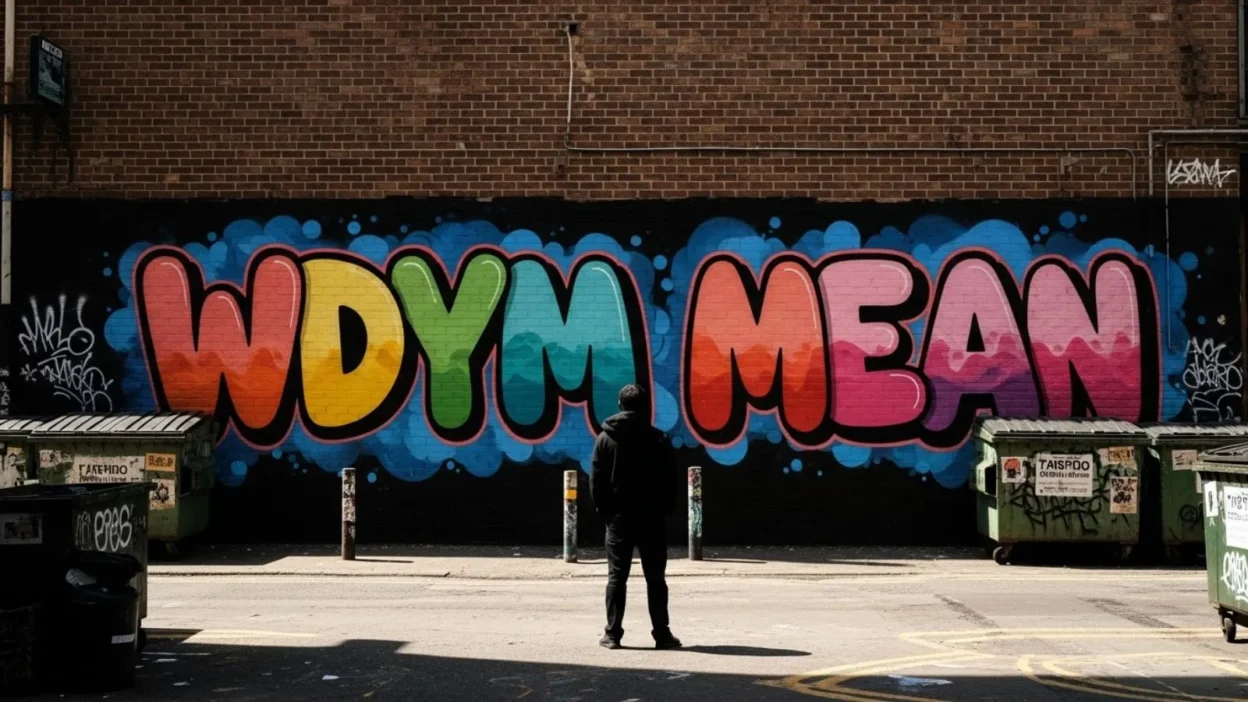
Have you ever received a text or social media message with the acronym WDYM and wondered what it meant?
You’re not alone! In today’s digital world, acronyms and internet slang have become a common part of our conversations, especially on texting apps, social media, and online chats.
WDYM is one of those shorthand expressions that can confuse anyone who isn’t familiar with texting language. Understanding what WDYM means is important if you want to communicate clearly and avoid misinterpretation in casual conversations.
In this article, we will break down WDYM, explain its meaning, show real-life examples, and provide tips on how to use it correctly. We’ll also cover similar acronyms, common mistakes, and why knowing texting abbreviations like WDYM can improve your digital communication skills. By the end, you’ll never be puzzled by WDYM again!
What Does WDYM Stand For?
The acronym WDYM stands for “What Do You Mean?”. It’s a simple yet widely used expression in texting, social media, and online chats. Essentially, when someone types WDYM, they are asking for clarification or trying to understand what the other person just said. It’s a quick way to show confusion, curiosity, or even playful frustration without typing out the full sentence.
For example, if someone messages, “I can’t believe you did that!”, the response might be WDYM?, indicating, “Can you explain what you mean?”. This short form saves time and keeps conversations flowing smoothly, especially in fast-paced online chats.
WDYM is typically used in casual contexts rather than formal communication. It’s popular among teenagers, young adults, and social media users who prefer brevity and informal language. The acronym is part of a larger group of texting shorthand like LOL (Laugh Out Loud), BRB (Be Right Back), and SMH (Shaking My Head).
Here are a few realistic examples of WDYM in texts:
- Friend 1: “I can’t come to the party.”
Friend 2: “WDYM? I thought you said you’d join!” - Friend 1: “That was so weird.”
Friend 2: “WDYM? What exactly do you mean?”
Understanding WDYM helps avoid confusion in conversations and makes texting more efficient. Using it appropriately can also make interactions feel more natural and relatable.
Origins and History of WDYM
The acronym WDYM didn’t appear overnight—it is part of the evolution of internet slang and texting shorthand that has been developing since the early 2000s. As texting and instant messaging became widespread, people started looking for faster, more efficient ways to communicate. Typing full sentences like “What do you mean?” every time could be time-consuming, especially on small phone keyboards or during fast-paced chats. That’s where acronyms like WDYM came in.
WDYM is closely linked to the culture of online communication, which favors brevity and speed. Platforms like SMS, WhatsApp, Facebook Messenger, and Twitter played a significant role in popularizing it. Over time, younger generations adopted these abbreviations not only to save time but also as a part of digital identity and casual online style.
Interestingly, acronyms like WDYM are part of a larger trend where online communication favors informal and playful language. Similar acronyms, such as LOL (Laugh Out Loud), BRB (Be Right Back), and SMH (Shaking My Head), emerged around the same time, creating a whole system of shorthand understood widely across social networks.
Today, WDYM is recognized globally as a casual way to ask for clarification in texts or social media posts. While it originated in online chats, its usage has now expanded to platforms like Snapchat, Instagram, and TikTok, reflecting the way internet slang evolves with new communication trends.
How to Use WDYM Correctly
Using WDYM correctly is all about context, tone, and understanding your audience. As a casual texting acronym, it is best suited for informal conversations with friends, peers, or people familiar with texting slang. Using it in professional or formal messages is generally not recommended, as it can appear unprofessional or confusing.
The primary purpose of WDYM is to ask for clarification. For example, if someone sends a vague message like, “That didn’t go as planned,” you can respond with WDYM? to politely request more details. It is a short, efficient way to keep the conversation flowing without writing a long sentence.
Tone matters when using WDYM. Depending on the context, it can sound curious, playful, or slightly frustrated. Adding emojis can help convey your tone.
For example:
- “WDYM? 🤔” shows curiosity.
- “WDYM? 😅” adds a playful tone.
- “WDYM?!” may imply mild frustration.
Here are a few examples of WDYM in real conversations:
- Friend 1: “I don’t think I can make it tonight.”
Friend 2: “WDYM? I thought we agreed to meet!” - Friend 1: “That movie was strange.”
Friend 2: “WDYM? Strange how?”
To use WDYM effectively, make sure your conversation partner understands texting acronyms. Overusing it can seem impatient or rude, so it’s best used sparingly and appropriately. With practice, it becomes a natural part of casual digital communication, helping you ask questions quickly and clearly.
Common Mistakes With WDYM
While WDYM is a useful acronym, many people make mistakes that can lead to confusion or misunderstandings. One of the most common mistakes is misinterpretation. Not everyone is familiar with texting acronyms, especially older generations or people new to online communication. Using WDYM without considering your audience might cause the other person to misunderstand your intention.
Another mistake is overuse. Sending WDYM repeatedly in a conversation can come across as impatient or rude. For example, replying multiple times with WDYM instead of asking specific questions can frustrate the other person. To avoid this, use WDYM only when clarification is genuinely needed and consider following up with a more detailed question if necessary.
A third mistake is using in formal or professional messages. While acronyms are acceptable in casual texting, they are generally inappropriate in work emails, professional chats, or messages to people who expect formal communication. Misusing it in such contexts can make you appear unprofessional or careless.
Tone is also important. can seem confrontational if written without proper context. Adding emojis or punctuation can help convey curiosity rather than frustration.
For instance:
- “WDYM? 🤔” appears curious.
- “WDYM?!” may seem annoyed.
By being mindful of your audience, context, and tone, you can avoid these common mistakes and use effectively in casual conversations. Proper usage ensures clear communication and prevents unnecessary misunderstandings in texting and online chats.
Acronyms Similar to WDYM
If you’re familiar with , you’ve probably noticed that the digital world is full of similar acronyms used in texting and online chats. Knowing these related abbreviations can help you understand conversations better and respond appropriately.
One common acronym is WDYT, which stands for “What Do You Think?” Unlike , which asks for clarification, WDYT is used when seeking someone’s opinion or feedback.
For example:
- Friend 1: “I’m thinking about painting my room blue.”
Friend 2: “WDYT?”
Another similar abbreviation is WYD, short for “What You Doing?” This is typically used to check in on someone’s activity or availability.
For instance:
- Friend 1: “Hey!”
Friend 2: “WYD?”
IDK, meaning “I Don’t Know”, is also frequently used in casual texting. It often appears in responses to questions or statements when someone is unsure or has no answer.
Other acronyms like SMH (Shaking My Head) or TBH (To Be Honest) are not direct synonyms of but are part of the same texting shorthand culture. Understanding these acronyms alongside can make online conversations smoother and more natural.
Why Understanding Acronyms Like WDYM Matters
In today’s fast-paced digital world, understanding acronyms like WDYM is more important than ever. Texting, social media, and online messaging platforms rely heavily on shorthand communication. Without knowing what these acronyms mean, you risk misinterpreting messages or missing the intended tone entirely.
For example, receiving a message like could seem rude or confusing if you don’t realize it simply means “What Do You Mean?” Understanding these acronyms helps maintain smooth and clear communication, preventing unnecessary misunderstandings.
Acronyms like also play a role in connecting with younger generations. Teens and young adults frequently use texting shorthand to save time and express emotions quickly. By knowing these abbreviations, you can relate better in conversations, whether in personal chats or on social media.
Additionally, familiarity with acronyms improves overall digital literacy. Online communication is an essential skill in modern life, from casual messaging to social networking. Recognizing and using acronyms correctly can make you appear more fluent, approachable, and culturally aware in digital spaces.
Lastly, understanding acronyms like allows you to express yourself more efficiently. Short forms save time while keeping conversations casual and friendly. They also help convey tone, emotion, or curiosity in ways that long-form messages sometimes cannot.
FAQs
Q1: Is WDYM rude?
Not usually. simply asks for clarification, meaning “What Do You Mean?” The tone depends on context and punctuation. For instance, “WDYM? 🤔” is curious or playful, while may sound frustrated.
Q2: Can I use WDYM in professional messages?
It’s best to avoid using in professional or formal communications. While it’s common in casual texting, using acronyms in emails, work chats, or messages to people unfamiliar with texting slang can appear unprofessional or confusing.
Q3: What’s the difference between WDYM and WDYT?
WDYM asks for clarification (“What Do You Mean?”), whereas WDYT asks for an opinion (“What Do You Think?”). Understanding this difference prevents miscommunication in conversations.
Q4: How should I respond to WDYM?
Respond with a clear explanation or rephrase your original message. For example:
- Friend: “WDYM?”
- You: “I meant that the movie was confusing because the plot was too complicated.”
Q5: Are there alternatives to WDYM?
Yes. You can type the full phrase “What do you mean?” for clarity, or use similar casual acronyms like HBU (How About You?) or IDK (I Don’t Know) depending on context.
Conclusion
In the world of digital communication, acronyms like WDYM have become essential for quick and efficient conversations. stands for “What Do You Mean?” and is primarily used in casual texting, social media, and online chats to ask for clarification.
Understanding its meaning and proper usage can prevent confusion and make conversations smoother.
It’s important to use appropriately, considering tone, context, and your audience.
Overusing it or using it in professional messages can lead to misunderstandings. By learning and related acronyms like WDYT, WYD, and IDK, you can navigate online conversations more confidently and communicate clearly.
Ultimately, knowing internet slang and texting abbreviations improves your digital communication skills, keeps you in tune with modern trends, and ensures you never feel lost when someone types .
Embrace these acronyms to stay connected and express yourself effortlessly in today’s online world.

I’m the author of Jokesattack.com, where humor meets creativity! Bringing you nonstop laughter with the best jokes, memes, and funny moments every day.