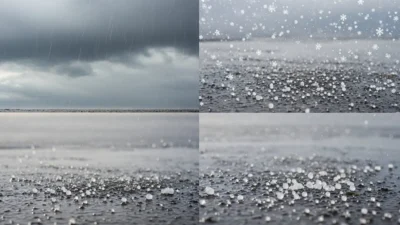

Have you ever been reading something maybe a text, a poem, or even a quote on Instagram and suddenly realized you could see the scene in your mind?
That’s exactly what happened to me the first time someone said, “This line has amazing imagery.” I paused and thought… Imagery? Like a picture? A vibe? What does that even mean in text?
If you’ve had the same moment of confusion, you’re not alone.
Quick Answer: Imagery means using descriptive words that create a mental picture.
It’s a creative, expressive way of helping someone visualize emotions, scenes, or actions through writing.
🧠 What Does Imagery Mean in Text?
Imagery refers to descriptive language that appeals to the five senses sight, sound, touch, taste, and smell to help the reader imagine what’s being described.
Writers, poets, and even casual texters use imagery to make their message more vivid, emotional, or dramatic.
Example:
“Her room smelled like vanilla and looked warm with the golden sunset lighting up the walls.”
In short: Imagery = Descriptive language = Words that create mental pictures.
📱 Where Is Imagery Commonly Used?
You’ll find imagery almost everywhere, especially in places where emotional or visual impact matters:
- ✍️ Poems and literature
- 💬 Deep or expressive texting
- 📸 Instagram captions
- 🎵 Song lyrics
- 🎥 Storytelling on TikTok
- 📚 School essays and creative writing
- 💭 Inspirational quotes
Formality level:
✔ Creative
✔ Casual
✔ Emotional
✔ Great for storytelling
✘ Not for formal business messages
💬 Examples of Imagery in Conversation
Here are realistic texting examples showing imagery in action:
1.
A: that sunset tho
B: ikr?? the sky looks like it’s on fire 🔥🧡
2.
A: how was the beach?
B: perfect… warm sand + salty breeze 🌊
3.
A: describe the movie
B: bro it felt so dark you could almost taste the fear 😭
4.
A: miss home?
B: yeah… i miss the smell of mom’s cooking so much
5.
A: why u like that song?
B: the lyrics paint such a clear picture, like i’m right there
6.
A: reading what?
B: a poem that makes you see every line in your head
7.
A: mood today?
B: cloudy mind but bright heart ☁️❤️
🕓 When to Use and When Not to Use Imagery
✅ When to Use Imagery
- When you want to sound expressive or poetic
- When describing places, moods, or moments
- In storytelling
- In creative writing or captions
- When you want to add emotion or vibe to a message
❌ When Not to Use Imagery
- In professional work emails
- In urgent messages that require clarity
- When the person prefers simple, straightforward communication
- During instructions or formal explanations
Comparison Table
| Context | Example Phrase | Why It Works |
| Friend Chat | “the room feels like a hug rn” | Casual, emotional, relatable |
| Work Chat | “The project atmosphere is tense.” | Clear and professional |
| “The meeting environment was productive.” | Formal and direct |
🔄 Similar Slang Words or Alternatives
| Term | Meaning | When to Use |
| Aesthetic | visually pleasing vibe | describing photos or looks |
| Vivid | clear and intense description | storytelling, essays |
| Sensory detail | info appealing to senses | creative writing |
| Metaphor | comparison without using “like/as” | poetic descriptions |
| Visuals | actual images or visual style | design, media, posts |
| Mood | emotional atmosphere | texting about feelings |
FAQs:
1. Is imagery only used in poems?
No it’s used in texting, captions, stories, lyrics, and everyday messages.
2. Is imagery the same as a metaphor?
Not exactly. A metaphor can be imagery, but imagery includes all sensory descriptions, not just comparisons.
3. Can imagery be used in casual texting?
Absolutely! It makes your messages more expressive.
4. Is imagery formal or informal?
Mostly informal and creative. It’s not ideal for corporate communication.
5. Why do people use imagery?
To create emotional depth, make descriptions clearer, and help the reader visualize the scene.
🏁 Conclusion:
Imagery in text simply means using descriptive words to create vivid mental pictures.
Whether you’re writing a poem, crafting a deep Instagram caption, or texting someone about your day, imagery makes your message more expressive and memorable.
It helps readers see, feel, smell, hear, or taste what you’re describing. If you’ve ever wanted your words to leave a stronger impact or carry emotion, adding imagery is one of the simplest and most powerful ways to do it.
Want another article in this same format? Just tell me the keyword! 💬✨

I’m the mind behind Jokesattack.com, your go-to place for daily laughs, clever puns, and hilarious memes. Spreading smiles one joke at a time!